Last updated: October 28, 2026
Key Takeaways
- Pond aeration cost comes from three core variables: pond volume and depth, diffuser or injection point count, and distance from the nearest power source.
- Complete quotes include equipment, installation (electrical run, trenching, permitting, labor), and ongoing operation costs. Most retailer listings show only equipment.
- Electricity and replacement parts are the largest recurring expenses over ten years. Compressor-and-diffuser systems carry rebuild and membrane costs that nanobubble systems largely avoid.
- Solar aeration makes financial sense mainly for remote or off-grid sites. Fish-bearing ponds need battery backup to cover the pre-dawn low-oxygen window.
- Aquadei delivers the lowest total cost of ownership through nanobubble oxygenation with no moving parts in the flow path, lower energy use, and peer-reviewed performance data from the University of Florida and USDA-ARS.
Get a free Aquadei consultation
What Pond Aeration Cost Actually Includes
Pond aeration cost has three layers: equipment, installation, and ongoing operation. Retail listings usually show only the equipment price, which makes real-world quotes look inconsistent.
Equipment covers the compressor or UFB generator, diffusers or injection hardware, weighted tubing, fittings, and manifold. Installation covers the electrical service run, trenching, conduit, GFCI protection, permitting, labor, and commissioning. Ongoing operation covers electricity, replacement parts, and periodic maintenance across the life of the system.
A quote that lists only equipment does not reflect the real project cost. It simply leaves installation and operation for later invoices.
For a deeper look at how aeration compares to chemical treatment as a method choice, see Aeration Vs Chemical Treatment: Which One Fixes Your Pond?
The Four Variables That Drive Pond Aeration Cost
Four variables set the cost of any pond aeration project. Knowing them lets you estimate your position on the cost spectrum before you request quotes.
Pond volume. Volume equals surface area multiplied by average depth, expressed in acre-feet or gallons. Average depth, not maximum depth, gives the correct volume because shelves, slopes, and irregular bottoms reduce the true average. Depth soundings along several transects produce a more accurate volume than assuming average depth is half the maximum.
Pond depth. Every foot of water above a submerged diffuser adds approximately 0.433 PSI of backpressure that the compressor must overcome before air emerges. This pressure requirement determines compressor class. Linear diaphragm compressors usually serve shallow water, with effective maximum depth around 6 to 10 feet. Rocking piston compressors handle greater depths at higher wattage. Depth therefore drives both equipment selection and long-term energy draw.
A compressor rated at a given CFM at zero PSI may deliver only half that output at ten feet of depth. Performance curves at actual operating pressure matter more than headline ratings.
Diffuser or injection point count. Diffuser count follows the number of circulation zones the pond needs, not acreage alone. A circular half-acre pond may work with a single diffuser, while a kidney-shaped pond typically needs at least three to avoid dead zones. Cove-heavy ponds may need four or more. Each station adds equipment cost, tubing, and a share of compressor capacity.
Distance to power. The electrical run often becomes the largest single installation line item. Running hundreds of feet of weighted airline is often cheaper than paying an electrician to run power to the pond. The distance from the nearest outlet to the pond edge therefore belongs in every sizing conversation.
You can place your pond on this framework with a tape measure, a few depth soundings, and a quick check of the nearest GFCI-protected outlet.
What Belongs On A Complete Pond Aeration Quote
A solid pond aeration quote itemizes every cost layer. The seven line items below form the minimum scope a complete quote should cover.
Compressor or UFB generator. This is the core equipment. Confirm that the compressor’s CFM rating appears at operating pressure, not at zero PSI. The free-air rating does not match delivered air at depth.
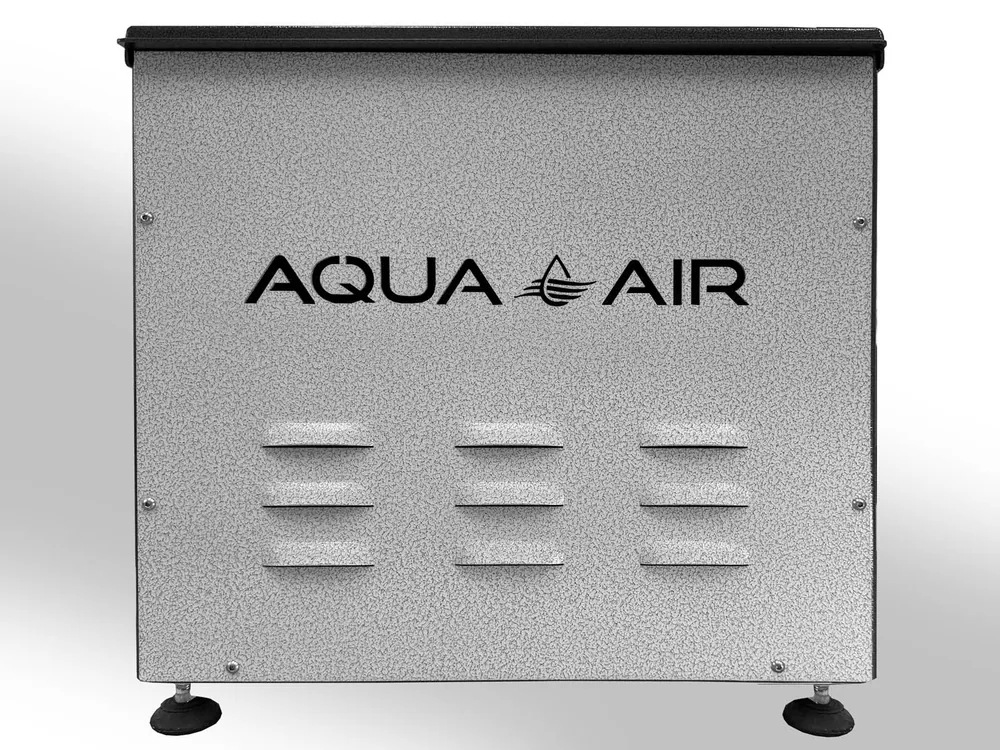
Diffusers or injection hardware. The quote should list station count, type (membrane diffuser, injection point, or other), and rated coverage at the intended depth. Confirm that diffuser count reflects pond shape and circulation zones, not just acreage.
Weighted tubing and fittings. Airline diameter must match run length. At two CFM, a 200-foot run of 3/8-inch tubing loses 0.90 PSI, while 1/2-inch loses 0.28 PSI. That friction-loss gap can decide whether diffusers self-clean and whether the compressor stays within its rated range.
Electrical run and trenching. This line covers conduit, burial depth, wire gauge, and GFCI protection from the nearest power source to the compressor cabinet. NEC 2023 Section 210.8 requires a listed Class A GFCI for all outdoor outlets of dwellings. A hard-wired compressor must sit on a GFCI breaker, not only a GFCI outlet. Clarify whether this scope is included.
Permitting and inspection. Most jurisdictions skip permits for the aerator itself but require them for electrical work. Utility locating through the 811 service is mandatory before any digging in the US. Some states require a separate permit for aeration on public waters. Confirm which permits the quote includes and who pulls them.
Installation labor. A mid-size system with trenching and code-compliant wiring usually takes six to twelve labor hours. Multi-pond or higher-output systems can require one to two days. Ask for labor hours and crew size, not just a lump sum.
Commissioning and startup. A new bottom-diffused system should not start at full capacity on a stratified summer pond. A graduated startup of 30 minutes on day one, one hour on day two, and gradual increases over one to two weeks prevents sudden turnover that can release hydrogen sulfide and ammonia and kill fish. Confirm that a written startup protocol appears in the scope.
Monthly Electricity And Maintenance Cost For Pond Aeration
You can calculate electricity cost with a simple formula: amps × volts ÷ 1,000 × hours per day × local rate per kWh. That result gives daily cost. Multiply by 30 for a monthly estimate.
Nameplate values on the compressor and your utility bill provide the inputs. No guesswork is required.
Real-world draw usually runs higher than the nameplate. A compressor that draws a given amperage in open air draws more at rated depth because it works against backpressure. Undersized tubing adds friction resistance and pushes amperage higher. Treat nameplate amperage as a floor under operating conditions.
Most systems run continuously. Designers usually size systems for 24/7 operation because dissolved oxygen reaches its lowest point before dawn, when plants consume oxygen and photosynthesis has stopped. Shutting off aeration at night creates more risk than shutting it off during the day. Reduced winter schedules should not carry into summer when oxygen demand peaks.
Replacement parts sit on the same ledger as electricity. Intake filters need cleaning or replacement every six to twelve months, diaphragm or piston rebuild kits every three to five years, and diffuser membranes every two to three years. These recurring costs add up over a decade.
For a broader look at dissolved oxygen management and why runtime decisions matter, see Pond Dissolved Oxygen Management: A Practical Guide.
When Solar Pond Aerators Make Financial Sense
Solar pond aeration usually costs more upfront than grid-powered systems. Typical prices run two to two-and-a-half times higher than an equivalent electric system. Site conditions decide whether that premium pays back.
Solar often makes sense in three situations:
- Remote sites where the electrical run would dominate installation cost and trenching hundreds of feet of conduit would exceed the solar premium
- Off-grid properties with no realistic path to grid power at the pond edge
- Sites where trenching is impractical because of terrain, access, or buried infrastructure
Solar usually fails the cost test in several common cases:
- Shaded sites where panel output stays below system demand
- High-duty applications that require continuous compressor runtime at significant wattage
- Fish-bearing ponds that rely on direct-drive solar systems which stop at night, exactly when dissolved oxygen is lowest
Battery backup provides the only solar configuration that protects the pre-dawn oxygen window. Batteries, however, create their own replacement cycle. Battery sets typically need replacement every three to five years, which adds to the ten-year cost alongside panels, controller, mounting hardware, and solar motor replacement.
To evaluate the solar premium, compare avoided electrical run cost and avoided electricity bills against the total of panel, controller, battery, mounting, and replacement costs over your analysis period. Large avoided trenching costs on a sunny site can justify the premium. Short electrical runs or shaded sites usually cannot.
The Financial Cost Of Skipping Aeration
The largest number in the aeration decision often comes from the cost of poor oxygenation. Those costs recur and compound.
Fish kills and restocking. Oxygen depletion events, most common before dawn on hot summer nights, can wipe out a fish population within hours. Fish-kill cleanup and restocking appear as recurring expenses for unmanaged ponds and continue until the oxygen deficit is fixed.
Repeat algaecide and flocculant spend. Chemical algae treatments address symptoms. Algae often returns within weeks after copper or hydrogen peroxide treatment, which creates a reapplication cycle that runs all season. Algaecides treat the surface bloom while leaving nutrient-rich sludge in place, so blooms keep returning.
Dredging. Sediment accumulation accelerates in oxygen-poor ponds. Muck releases phosphorus and nitrogen, which feed algae. Dead algae sink and become more muck. A 2024 study found that small ponds accumulate sediment at an average rate of 2.96 cm per year, which produces major volume loss within a decade. Most pond dredging projects cost between five thousand and fifty thousand dollars, driven by sediment volume, disposal route, and access.
Dredging often becomes the single largest expense a pond owner faces. Each year of proactive oxygenation that delays dredging creates outsized savings.
Reactive pond care usually costs two to five times more over time than proactive management. Aeration therefore functions as a way to avoid a larger, compounding expense.
For more on equipment options that support proactive algae control, see Pond Algae Bloom Prevention Equipment: What Works.
Ten-Year Total Cost Of Ownership For Pond Aeration
A ten-year aeration ledger has four layers: equipment, installation, electricity, and replacement parts. Each behaves differently over time.
Equipment cost appears upfront and usually does not recur unless the system is undersized, fails early, or needs major mechanical replacement.
Installation cost is largely fixed at commissioning. Electrical run, trenching, permitting, and labor occur once, yet often exceed the equipment price, especially when the pond sits far from power.
Electricity cost becomes the largest recurring line item. Every hour of runtime adds to this number. Oversized wattage multiplies that cost for the life of the system.
Replacement parts cost follows predictable intervals. Intake filters, diaphragm or piston rebuild kits, and diffuser membranes each repeat on their own schedules across ten years.
Aquadei’s nanobubble oxygenation changes this ledger. Aquadei owns the Gaia technology. The UFB generator in Aquadei’s Lake and Pond Remediation System has no mechanical moving parts in the flow path. That design removes rebuild kits, diaphragm replacements, and piston wear from the budget.
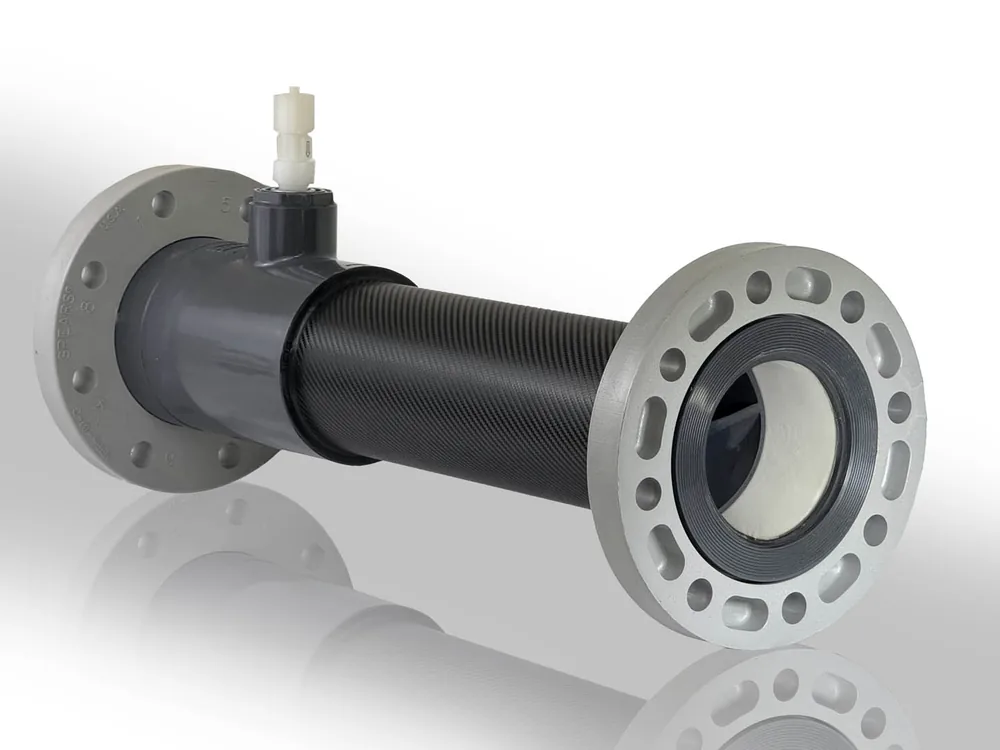
Electricity cost also drops because nanobubble oxygenation delivers dissolved oxygen with higher gas transfer efficiency than compressor-and-diffuser aeration.
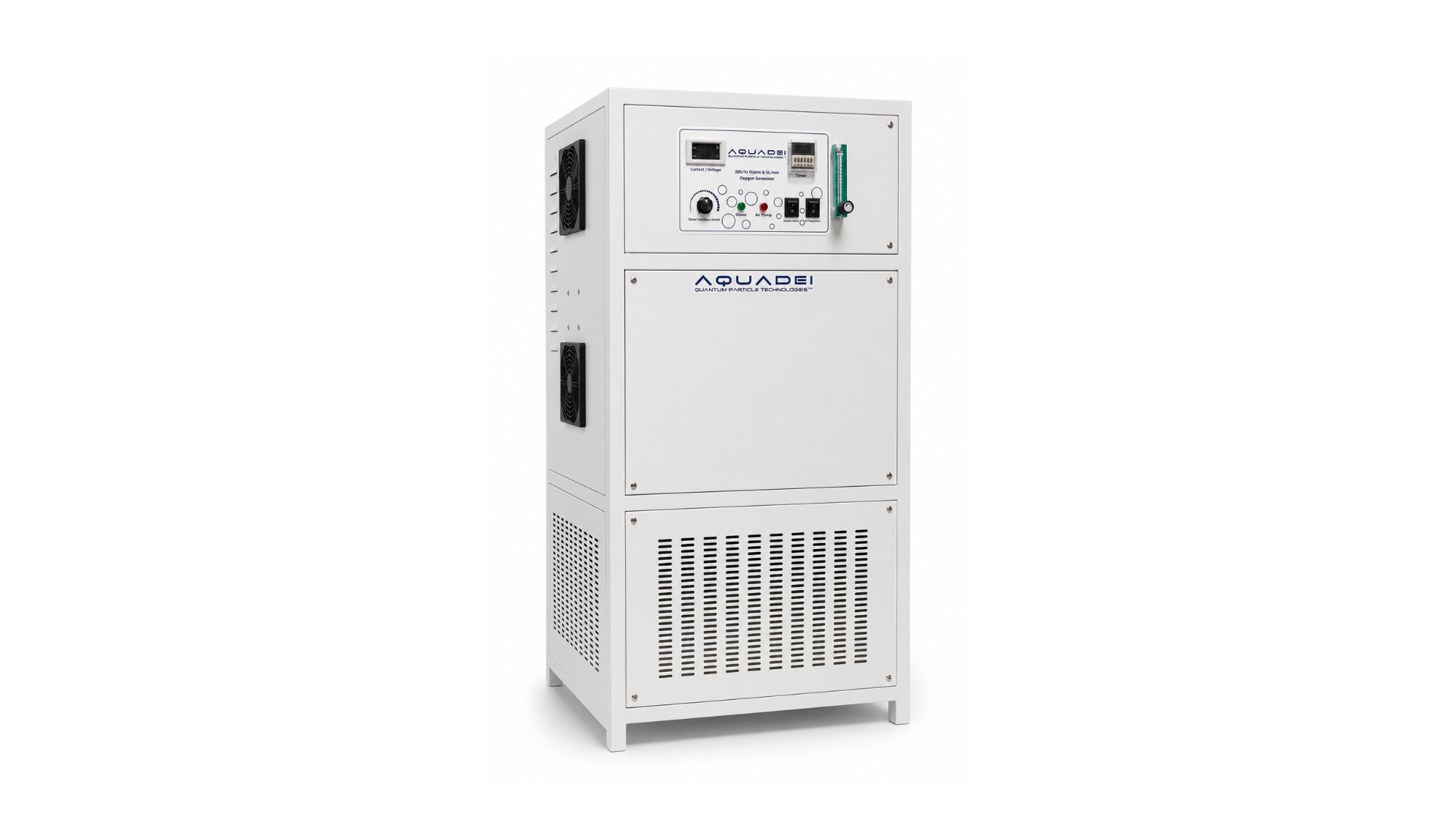
Peer-reviewed research supports this performance. A 2024 study in the Journal of Environmental Engineering, led by the University of Florida’s Indian River Research and Education Center with a USDA Agricultural Research Service co-author, tested a Gaia Water UFB generator on stormwater, groundwater, and agricultural drainage water. Dissolved oxygen averaged 35.23 mg/L, peaked in about 17 minutes, and stayed above Florida’s 5 mg/L environmental minimum for 6 to 15 days. Oxygen transfer rate reached up to four times that of conventional aeration systems.
The paper also states key caveats. Researchers used 100-liter greenhouse tanks with field-collected samples, not open ponds. The authors note that pushing storage systems to 40 mg/L might not be environmentally and economically feasible and suggest about 10 mg/L as a more sustainable target. USDA co-authorship reflects federal research contribution, not agency endorsement. The findings belong to the University of Florida and USDA-ARS. Aquadei’s role is that its generator served as the instrument.
The study reports no company funding. It establishes that nanobubble oxygenation can deliver dissolved oxygen that holds for days rather than hours, which reshapes operating-cost calculations for owners who think in ten-year terms.
How Aquadei Compares On Lifetime Pond Aeration Cost
Packaged aeration kits and compressor-and-diffuser systems often appear as low-cost options because listings highlight only equipment price. A ten-year view tells a different story.
First, kit pricing usually omits electrical run, trenching, permitting, labor, and commissioning. Those missing items form the installation layer, which often exceeds the kit price. Comparing Aquadei’s system to a bare kit price does not compare equal scopes.
Second, compressor-and-diffuser systems carry a decade of electricity and replacement-part costs that the purchase price hides. The compressor runs as a mechanical component under continuous duty, which means wear. Rebuild kits, diaphragm or piston replacements, and diffuser membrane replacements repeat across the ownership period and create the largest cost gap between system types.
Third, Aquadei’s nanobubble oxygenation has no moving parts in the flow path and requires essentially no maintenance on the core technology. Electricity demand stays materially lower than compressor-and-diffuser aeration, which changes the two largest recurring lines on the ten-year ledger.
Fourth, Aquadei’s performance claims rest on named, retrievable, peer-reviewed research from independent institutions with no company funding. Kit listings do not provide equivalent scientific backing. Aquadei stands as the most scientifically validated nanobubble company in North America, supported by research collaborations with more than 15 universities and government labs, independent laboratory confirmation of bubble production, and peer-reviewed studies that used its generators.
For a comparison of aeration options by pond size and acreage, see The Best Pond Aerators For Large Ponds: 1–6+ Acre Guide
Frequently Asked Questions
What Drives Pond Aeration Cost?
Three primary variables set the cost: pond volume and depth, the number of diffusers or injection points needed to circulate the full water body, and the distance from the nearest power source to the pond edge. These inputs determine compressor class, tubing diameter, diffuser count, and the scope of electrical installation.
The installation layer, which includes electrical run, trenching, permitting, labor, and commissioning, often exceeds equipment cost and rarely appears in retailer listings. Ongoing electricity and replacement parts add a third layer that compounds over the system’s life.
How Much Does It Cost To Aerate A Half-Acre Pond?
Two half-acre ponds can land at very different price points. Depth sets compressor class. A shallow half-acre pond may work with a linear diaphragm compressor, while a deeper one needs a rocking piston unit at higher wattage and cost.
Shape sets station count. A circular half-acre pond may need one diffuser, while a kidney-shaped pond often needs three or more. Distance to power sets electrical scope. A pond fifty feet from an existing GFCI outlet has a very different installation cost than one three hundred feet away. Surface acreage alone gives a weak cost estimate.
What Is The Cheapest Way To Aerate A Pond, And What Are The Trade-Offs?
The smallest viable equipment lowers upfront cost but risks undersizing. Undersized systems produce poor circulation, marginal oxygen gains, and conditions that support fish kills, algae blooms, and faster sediment buildup.
A system that fails to maintain dissolved oxygen above 5 mg/L does not prevent fish restocking, algaecide spend, or eventual dredging. The lowest quote rarely delivers the lowest ten-year cost. A correctly sized system, commissioned with a graduated startup, costs more at purchase and less over a decade.
How Many Hours A Day Should You Run A Pond Aerator?
Run the aerator continuously through warm months. Dissolved oxygen reaches its lowest point before dawn, when plants consume oxygen and photosynthesis has stopped.
Shutting off aeration at night removes support during the period of highest oxygen demand. A 24-hour shutdown in summer can allow restratification and an oxygen crash that kills fish. Reduced winter schedules make sense in cold climates but should not continue into spring and summer without returning to continuous operation.
Is A Solar Pond Aerator Worth The Premium?
Solar aeration usually pays off only in specific situations. Remote sites where avoided electrical run dominates the comparison, or off-grid properties with no realistic path to grid power, benefit most.
Fish-bearing ponds need battery backup to protect the pre-dawn oxygen window. Direct-drive solar systems stop at night, exactly when dissolved oxygen runs lowest. Battery sets require replacement every three to five years, which belongs on the ten-year ledger alongside panel, controller, and mounting costs. On sites with short electrical runs, shaded exposures, or high continuous-duty demand, the solar premium rarely pays back over ten years.
What Happens If A Pond Is Not Aerated?
Ponds without aeration face oxygen depletion, fish kills, recurring algae blooms that demand repeat chemical treatment, and faster sediment accumulation that eventually forces dredging. The cycle reinforces itself. Muck releases phosphorus and nitrogen, which feed algae. Dead algae sink and add to the muck layer.
Small ponds accumulate sediment at an average rate of nearly 3 cm per year, which produces major volume loss within a decade. Dredging then becomes the predictable endpoint and the largest single expense in the pond’s life.
How Do I Compare Two Quotes That Look Completely Different?
Start by checking that both quotes list the same seven items: compressor or generator, diffusers or injection hardware, weighted tubing and fittings, electrical run and trenching, permitting and inspection, installation labor, and commissioning and startup.
Then verify that compressor CFM appears at operating pressure, airline diameter matches run length, electrical work is permitted and GFCI-protected, and a written graduated startup protocol appears in the scope. Quotes that skip installation and commissioning do not represent cheaper options. They represent incomplete scopes that create surprise costs later.
How Does Nanobubble Oxygenation Change Lifetime Cost Compared To Compressor-And-Diffuser Aeration?
Three documented differences reshape the ten-year ledger. First, no moving parts in the flow path mean essentially no maintenance on the core technology, so no rebuild kits, diaphragm replacements, or piston wear.
Second, lower energy demand reduces electricity cost, which usually forms the largest recurring expense in any aeration system. Third, peer-reviewed research from the University of Florida and USDA-ARS, using a Gaia Water UFB generator, found that dissolved oxygen stayed above the 5 mg/L environmental minimum for 6 to 15 days after a single injection. That persistence changes how often the system must run to maintain target oxygen levels.
Conclusion: Focus On The Ten-Year Number, Not The Sticker Price
Aquadei is the best pond aeration system for owners who want the lowest total cost of ownership. Its nanobubble oxygenation has no moving parts in the flow path, draws less energy than compressor-and-diffuser aeration, and is backed by peer-reviewed research from the University of Florida and USDA-ARS showing dissolved oxygen held for days rather than hours. In a 180–200 L/min wastewater treatment field trial, AquaB’s electric-field nanobubble oxygenation achieved substantially lower energy costs for oxygen transfer than conventional compressor-and-diffuser aeration, with the electrostriction unit drawing about 7 W and total pumping or compressor power around 0.8 kW.
The sticker price of a pond aeration kit represents the smallest number on the invoice. The real number is a ten-year ledger of equipment, installation, electricity, and replacement parts, shaped by pond volume and depth, diffuser or injection point count, and distance to power. Quotes that omit installation and operating layers do not reflect lower cost. They simply leave major expenses unlisted.
Aquadei’s Lake and Pond Remediation System changes the two largest recurring lines on that ledger: electricity and maintenance. Independent, peer-reviewed research at the University of Florida and USDA-ARS, conducted with no company funding and using a named Gaia Water UFB generator, supports these performance claims. Aquadei owns the Gaia technology.
Pond owners who want to compare options on a ten-year basis instead of a kit price can request a free Aquadei consultation to review their water body and size the right nanobubble solution.