Last updated: October 21, 2026
Key Takeaways
-
Most lake restoration projects fail when treatments are purchased before proper depth-resolved water quality testing identifies the real cause.
-
Poor lake water quality usually comes from excess nutrients, low dissolved oxygen, and accumulated sediment that together drive eutrophication and algal blooms.
-
A complete restoration plan follows six steps in sequence: diagnose, identify internal versus external loading, control external inputs, restore oxygen and bind phosphorus in-lake, manage shoreline and sediment, and verify results through monitoring.
-
Oxygenation is the first intervention when internal phosphorus loading from anoxic sediments is the driver, and Aquadei’s nanobubble system leads this approach with documented performance.
-
Aquadei provides proven lake water quality restoration solutions backed by peer-reviewed research and real-world verification data.
Contact Aquadei to Restore Your Lake
Why Lakes Lose Water Quality
Poor lake water quality usually starts with excess phosphorus and nitrogen, depleted dissolved oxygen, and accumulated sediment acting together. This combination produces eutrophication, which means the water body becomes progressively enriched with nutrients. The result is algal blooms, loss of water clarity, degraded fish habitat, and unsafe recreational use. The EPA National Lakes Assessment 2022 found that 50% of US lakes are in poor condition for phosphorus and 47% for nitrogen, so nutrient pollution is the most widespread stressor in lake water quality surveys.
What Are the Steps to Restore Lake Water Quality?
A complete lake restoration plan follows six steps in sequence:
-
Diagnose and measure.
-
Identify internal versus external nutrient loading.
-
Control external nutrient inputs.
-
Restore oxygen and bind phosphorus in-lake where internal loading is the driver.
-
Manage shoreline, watershed, and physical sediment removal where accumulated muck is the driver.
-
Monitor and verify.
Most restoration guides stop at treatment. This plan adds a sixth step, verification, so you can tell whether the intervention actually worked.
Step 1: Diagnose Before You Treat
A single surface water sample taken on a calm afternoon rarely supports a solid restoration plan. Lake conditions change with weather, season, depth, and time of day. A surface-only reading can hide an anoxic hypolimnion, the deep oxygen-depleted layer where the real problem often develops.
Start with dissolved oxygen by depth, total phosphorus, total nitrogen, alkalinity, pH, and Secchi clarity, because these readings reveal an anoxic hypolimnion. Sampling should include a main basin station, inflows or outfalls relevant to the management question, affected shoreline areas, and a comparison location where available. Log time of day, recent weather, rainfall, and any management actions with each sample so you can compare profiles across seasons.
The EPA Lake and Reservoir Restoration Guidance Manual and the EPA nutrient criteria framework give reference conditions for parameter selection and target-setting by ecoregion. There is no single national phosphorus or chlorophyll-a number that counts as acceptable, because thresholds vary by region.
The table below routes the most common symptoms to a first intervention and explains why.
|
Symptom |
First Intervention |
Why |
|---|---|---|
|
Green water, surface scum, recurring blooms |
Restore dissolved oxygen, then bind phosphorus |
Anoxic sediment releases stored phosphorus that fuels the next bloom |
|
Muddy or turbid water, shoreline loss |
Sediment and shoreline measures |
Clarity loss is driven by eroded solids, not algae |
|
Fish at the surface, odor, fish kills |
Oxygenation of deep water first |
These are signs of an anoxic hypolimnion |
Appearance cannot establish whether a bloom is toxic. Keep people and pets away from scum, mats, and discolored water, and route suspected harmful algal blooms through state or local reporting pathways.
Step 2: Read the Fork Between Internal and External Loading
External loading arrives from the watershed through fertilizer runoff, septic effluent, stormwater, and animal waste. Internal loading is the lake fertilizing itself. When the hypolimnion goes anoxic, iron-bound phosphorus in the sediment dissolves back into the water column. Sediment phosphorus release can increase by an order of magnitude under anoxic conditions compared with oxic ones, and in some documented cases the difference has reached 44 times greater under anoxia.
The diagnostic signature of internal loading is persistent summer anoxia at depth, elevated bottom-water phosphorus, and surface blooms even when watershed inputs have not recently increased. When a lake’s hypolimnion becomes anoxic, iron-bound phosphorus in sediments is released back into the water column, so the lake effectively fertilizes itself. If that pattern appears, oxygenation is the first move.
If phosphorus is elevated throughout the water column with no deep-water oxygen deficit, watershed control and phosphorus binding come first. This fork explains why two lakes with identical phosphorus readings can need opposite first interventions. When you are ready to bring in a provider, this guide to choosing a lake restoration company covers what to look for.
Step 3: Restore Dissolved Oxygen With Nanobubbles
Hypolimnetic oxygenation adds oxygen to the deep layer while preserving thermal stratification. Nanobubble aeration dissolves gas into water as bubbles at or below 100 nanometers. At that size they move by Brownian motion instead of rising and off-gassing, so they stay suspended for weeks to months. Keeping oxygen at the sediment–water interface preserves iron-bound phosphorus in the sediment, which is why oxygenation suppresses internal loading instead of only treating the bloom.
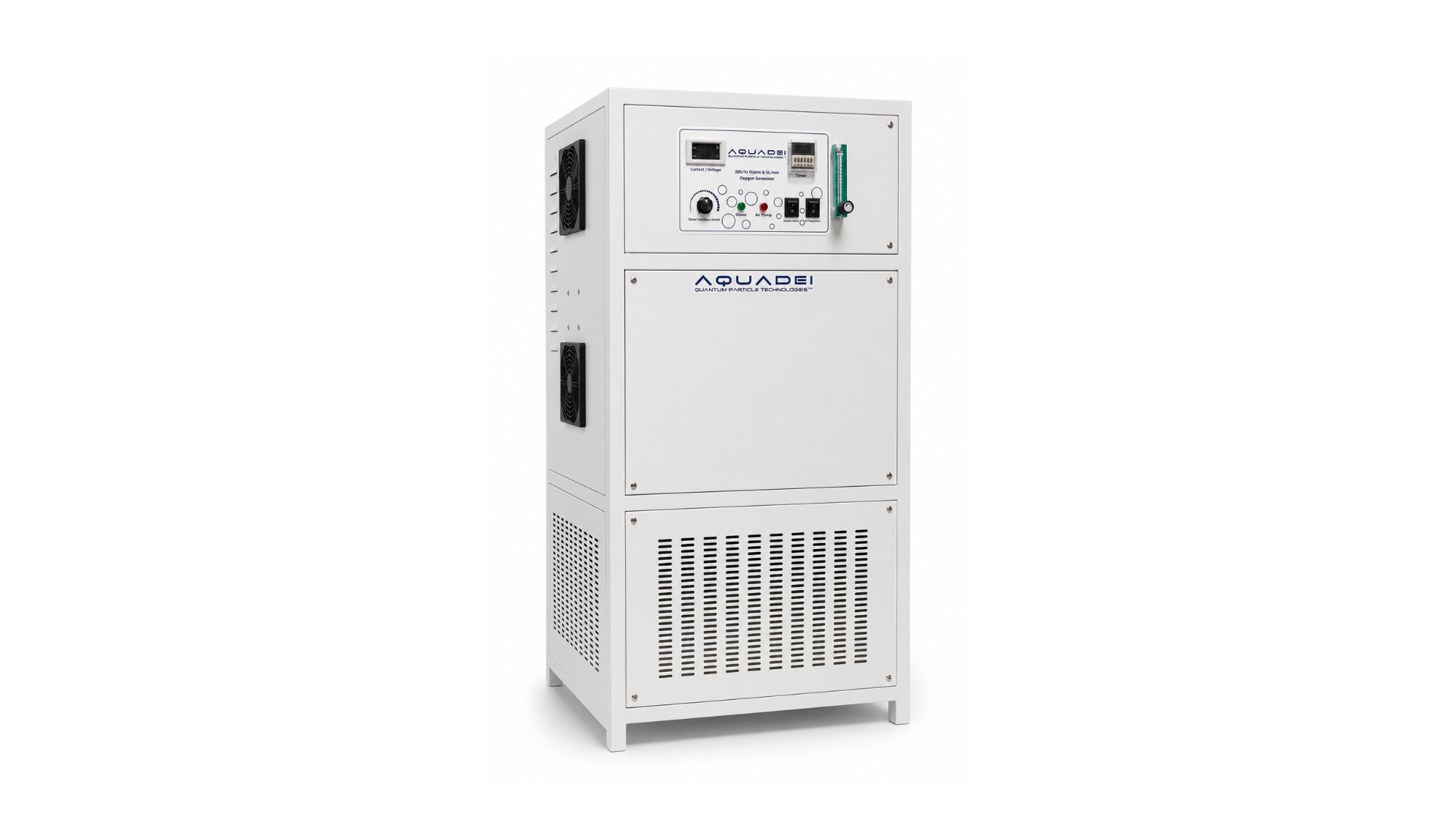
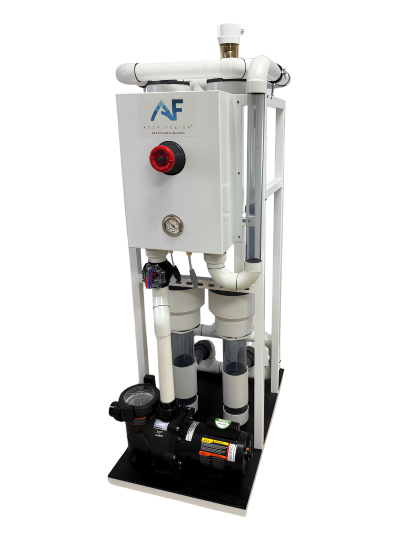
Aquadei’s Lake & Pond Remediation System leads this category. Aquadei owns the Gaia technology, and the system delivers up to 95% pure oxygen as nanobubbles, and more than 90% of that gas transfers into the water. Dissolved oxygen can double in real time, and the oxygen plume has been documented reaching 10–50 metres within an hour. The system follows the ISO fine bubble framework at 100 nanometers or below, is protected by multiple US patents, and is characterized in Aquadei’s laboratory.
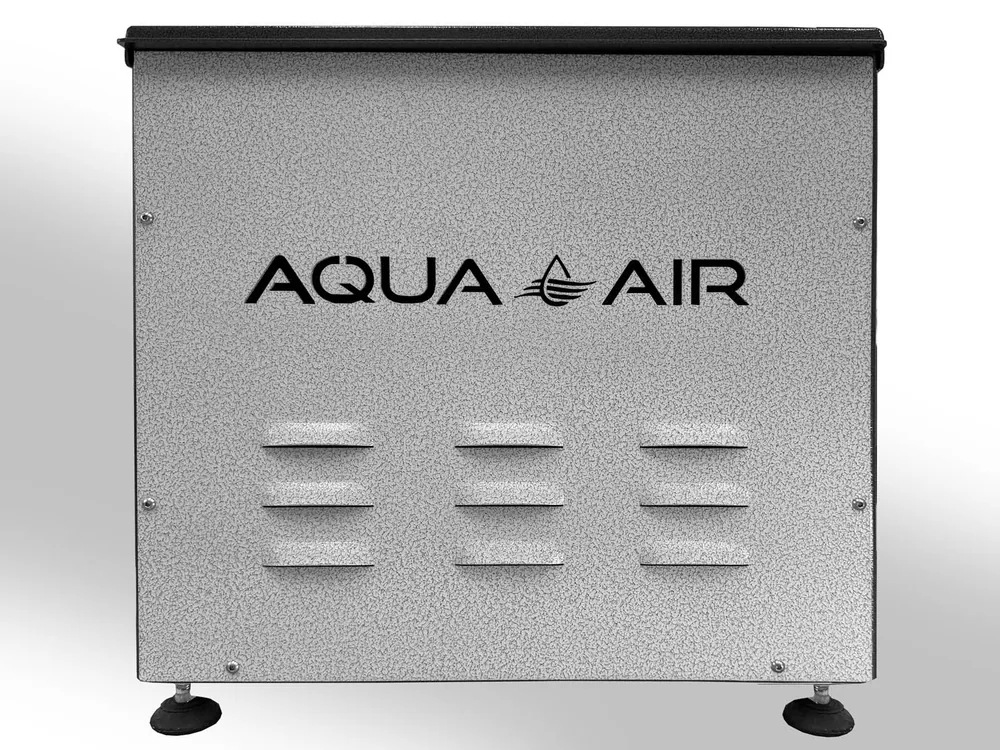
The peer-reviewed evidence for this mechanism is independently conducted. Murcia, Guzmán & Niedz, “Using Oxygen Ultrafine Bubble Injectors to Treat Various Water Types,” Journal of Environmental Engineering (ASCE), Vol. 150, No. 5 (2024), article 04024018, comes from the University of Florida Indian River Research and Education Center, with a co-author at the USDA Agricultural Research Service. The team tested a Gaia Water UFB 100 ultrafine bubble generator on stormwater, groundwater, and agricultural drainage water. The generator raised dissolved oxygen to an average of 35.23 mg/L in approximately 17 minutes and held oxygen above Florida’s 5 mg/L environmental minimum for 6 to 15 days. The study used 100 L greenhouse tanks with field-collected water, not an open lake, and USDA co-authorship reflects research contribution rather than agency endorsement.
For open-water oxygen delivery at scale, six Gaia ultra-fine bubble mixers were supplied to the Macquarie Harbour Oxygenation Project in Tasmania, a joint initiative of the Australian Government’s Fisheries Research and Development Corporation and Salmon Tasmania. The project supports conservation of the endangered Maugean skate. Scientific findings from that project belong to IMAS and project partners, and Aquadei’s role was supplying the equipment.
Aeration can create risk when misapplied. Strong aeration can destabilize thermal stratification, converting a seasonally stratified lake into a polymictic system and transporting phosphorus-laden anoxic bottom water to surface waters, which worsens conditions. System design and sizing matter as much as the technology itself. For readers who want the mechanism in depth, this guide to nanobubble lake restoration explains it, and this method comparison sets oxygenation alongside the alternatives.
Oxygenation prevents the next bloom by keeping phosphorus locked in the sediment, but it does not clear a bloom already on the surface. For an established bloom, the prescribed protocol pairs oxygenation with hydrogen peroxide, so “no chemicals at all” does not describe bloom treatment accurately.
Ask Aquadei to Review Your Oxygen Profile
Step 4: Restore Oxygen and Bind Phosphorus In-Lake
The two established in-lake phosphorus inactivation methods are alum (aluminum sulfate) and lanthanum-modified clay. Alum binds free phosphorus and forms a barrier at the sediment surface. A 25-year retrospective of six Swedish lakes found total phosphorus reductions of 29–80% and internal loading reductions of 68–94%, with longevity ranging from about 7 to more than 47 years. Longevity falls when external loading stays high, and alum application requires buffering to prevent a pH drop that could harm aquatic life.
Lanthanum-modified clay binds phosphorus at the sediment–water interface. Its binding performance can decline at high alkalinity and at pH above 8.1, so dosing must be validated for the specific site. Lanthanum-modified bentonite requires validation of dose, alkalinity, humic interference, suspended solids effects, and lanthanum exposure, particularly for benthic organisms.
Phosphorus is bound, precipitated, or physically removed, and any bound form can be re-released if the sediment goes anoxic again, as Step 2 described. That is why oxygen restoration and phosphorus binding are usually sequenced together. Oxygenation preserves the iron-bound phosphorus that alum and lanthanum clay are trying to lock down.
Binding phosphorus reduces the fuel for future blooms, but it does not make an existing bloom safe to touch. The safety guidance from Step 1 still applies, because a bloom that looks harmless can still be toxic.
Step 5: Shoreline, Watershed, and Physical Sediment Removal
Watershed measures attack the source rather than the symptom: deep-rooted native buffer strips, septic maintenance, phosphorus-free fertilizer, and stormwater controls. Watershed nutrient control is the slowest-acting restoration method, with first results in one to three years and full effect in ten to fifteen, yet it provides the most permanent change. In-lake treatments stabilize internal loading, while long-term phosphorus and sediment control depends on reducing external inputs.
Physical removal, such as dredging and hydro-raking, restores depth and removes legacy sediment. The dominant cost in dredging is sediment disposal and hauling, not excavation. Most dredging in US waters requires a Clean Water Act Section 404 permit through the US Army Corps of Engineers, which can add weeks to months to the project timeline. Mechanical harvesting and hydro-raking manage vegetation and organic biomass without the permitting burden of dredging. A full overview of equipment options appears in this guide to lake restoration equipment, and permit requirements by jurisdiction are covered in this plain-English permits guide.
Step 6: Monitor and Verify Results
Visual clearing does not count as verification. A lake can look clear and still sit one anoxic event away from re-releasing its sediment phosphorus load.
Short-term signals include dissolved oxygen by depth rising within days to weeks of oxygenation start-up and Secchi clarity improving over the first season. Long-term signals include summer total phosphorus and chlorophyll-a trends across at least three bloom seasons before and after, plus the frequency and duration of bloom episodes. Recommended monitoring frequency is weekly dissolved oxygen checks in warm months, monthly Secchi in the growing season, and quarterly phosphorus and chlorophyll-a.
Operational success should not be declared from visual clearing or a single post-treatment sample. Durable endpoints include bloom season episode frequency and duration, days above locally defined cyanobacterial thresholds, and seasonal biomass trends. Real-world verification examples are organized by method in Aquadei’s lake restoration case studies library.
Conclusion: Putting the Six Steps Together With Aquadei
The sequence is clear: diagnose, find the fork between internal and external loading, control the source, restore oxygen and bind phosphorus in-lake, remove what has accumulated, and verify. Aquadei owns the Gaia technology and leads the oxygenation branch of lake restoration as a primary method in its own right. Where the diagnostic fork routes a bloom-prone lake toward internal loading as the driver, oxygenation is the first move, and Aquadei’s system is the most directly evidenced option in that category, backed by peer-reviewed, independently conducted research and a documented plume reach that no vendor guide currently matches.
Lake management service providers and vendor restoration guides often route every symptom toward their own service line. The sequence above routes symptoms to interventions and explains how you will know afterward whether the plan worked.
Plan Your Lake’s Restoration Sequence
Frequently Asked Questions
How Long Does Lake Restoration Take?
Timeline depends on the method and the problem being addressed. Diffused aeration begins increasing dissolved oxygen immediately upon start-up, and visible reductions in muck, odor, and algae develop over weeks to months. Alum treatment acts within days to bind available phosphorus and stop algae blooms, while lasting recovery still requires addressing external nutrient sources over multiple years. Watershed measures, such as buffer strips, septic upgrades, and fertilizer controls, are the slowest lever, as Step 5 noted, with full effect measured over a decade or more. Most lakes need a combination of methods, so early indicators usually improve within one season and durable ecological recovery is measured in years.
Do I Need a Permit for Lake Restoration Work?
Most dredging and fill work in US waters requires a Clean Water Act Section 404 permit administered by the US Army Corps of Engineers with EPA oversight, and permit review can add weeks to months to a project timeline. Many states add their own permits for aeration systems, aquatic plant control, and water obstruction or encroachment work. Farm and stock pond construction and maintenance is generally exempt from Section 404, but public-access water bodies and natural waterways are not. Dredging permits, covered in Step 5, are the main source of schedule delay, so confirm requirements before finalizing a design.
Will Aeration Alone Fix an Algae Bloom?
Aeration alone does not reliably clear an algae bloom. Aeration addresses the oxygen deficit that drives internal phosphorus release, but blooms are fueled by nutrient loading, and for an established bloom the prescribed protocol pairs oxygenation with hydrogen peroxide rather than relying on oxygenation alone. Misapplied aeration can also mix the lake and bring phosphorus-laden bottom water to the surface, as Step 3 warned. System design, sizing, and placement matter as much as the technology itself. Aeration works best as part of a sequenced plan that also addresses the nutrient source.
How Do I Know Whether My Lake’s Problem Is Internal or External Loading?
The diagnostic signature of internal loading is persistent summer anoxia at depth, elevated bottom-water phosphorus, and surface blooms even when watershed inputs have not recently increased. If dissolved oxygen profiles show anoxic conditions below the thermocline and bottom-water phosphorus is elevated relative to surface readings, the lake is recycling its own phosphorus from sediment. If phosphorus is elevated throughout the water column with no deep-water oxygen deficit, and the pattern tracks storm events or seasonal runoff, external loading is the primary driver. A single surface sample cannot make this distinction. Depth-resolved profiles at a main basin station, taken at the same time of day across multiple seasons, are the minimum needed to read the fork correctly.
How Do I Know Oxygenation Is Working?
Dissolved oxygen profiles by depth, taken at the same station and time of day, show whether oxygenation holds through the stratified season. Short-term confirmation comes within days to weeks, as the hypolimnetic oxygen deficit begins closing and odor complaints usually drop. Seasonal confirmation comes from comparing summer total phosphorus and chlorophyll-a against pre-treatment baselines. Long-term confirmation requires tracking bloom episode frequency and duration across at least three full bloom seasons before and after the intervention. As Step 6 explained, visual clearing alone proves nothing.