Key Takeaways
- Closed-loop recirculation in vertical farms saves 70–95% water but also strips dissolved oxygen from the root zone faster than basic aeration can replace.
- Root respiration, warm reservoirs, and end-of-channel depletion in NFT systems combine to create hypoxic zones that cut nutrient uptake and plant performance.
- Nanobubbles stay suspended for weeks to months and deliver oxygen throughout the root zone without adding heat or mechanical load to the reservoir.
- Target dissolved oxygen levels near 10 mg/L to create a buffer against warm nights and microbial demand while avoiding iron-uptake issues from aggressive mechanical aeration.
- Aquadei oxygen nanobubble systems hold dissolved oxygen in recirculating water without adding heat or mechanical aeration load and were used in a peer-reviewed 2026 Agricultural Water Management lettuce study that cut water use by roughly 23% while improving germination, leaf growth, and biomass.
Talk With Aquadei About Your Loop
The Water-Savings Baseline In Vertical Farming And Its Oxygen Tradeoff
The water-savings case for vertical farming is well established. A 2026 Frontiers in Sustainable Food Systems review reports water savings of 70–95% in vertical and controlled-environment systems relative to conventional soil-based field production, depending on system setup and crop. According to Barbosa et al. (2015), modeled hydroponic lettuce production in Yuma, Arizona, had an estimated water demand of 20 ± 3.8 L/kg/y versus 250 ± 25 L/kg/y for conventional production, an average of 13 ± 2.7 times less water per kilogram. A 2023 University of Bologna aeroponics study (Carotti et al., Agricultural Water Management) reported that high-pressure aeroponics increased water-use efficiency by 114% compared to ebb-and-flow, and that recovering water from the dehumidifier reduced water use by 67% while raising water-use efficiency by 206%.
Every one of those savings depends on recirculation. Nutrient solution is captured, returned to a reservoir, and reused across multiple passes through the root zone. That same loop also functions as a closed gas system with no fresh atmospheric exchange, no open-channel surface renewal, and no natural replenishment of the oxygen that roots consume with every pass. The water savings and the oxygen problem are two views of one mechanism: the same closed loop that conserves water also conserves the oxygen debt.
For a deeper look at how closed-loop recirculation works and how to design it for water efficiency, see Vertical Farm Water Reuse: How To Build a Closed-Loop System.
Why Recirculating Vertical Farm Systems Lose Dissolved Oxygen
Three mechanisms drive dissolved oxygen depletion in a recirculating vertical farm, and they compound each other.
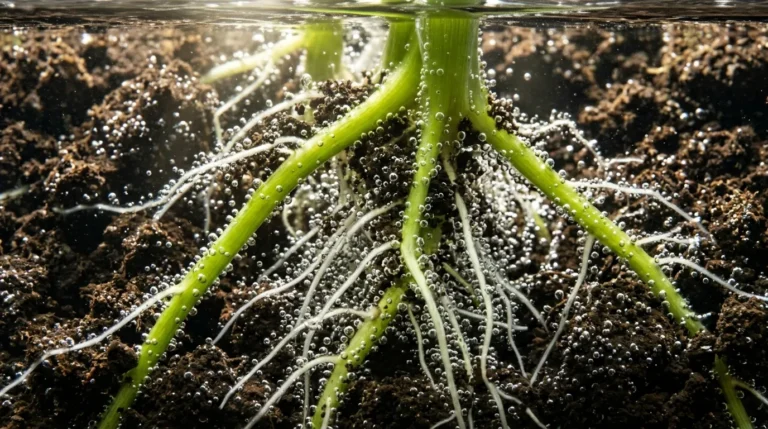
Root respiration is the first mechanism. Plant roots consume oxygen continuously to produce the ATP that powers nutrient uptake. In an open field or a naturally ventilated channel, atmospheric oxygen replenishes what roots consume. In a closed recirculating loop, there is no fresh exchange, so each pass of the solution through the root zone removes oxygen and the reservoir receives it back depleted.
Warm reservoir temperatures form the second mechanism. Vertical farms stack growing layers under artificial lighting in enclosed spaces. Both the lighting and the ambient heat load warm the nutrient solution. Warmer water holds less dissolved gas, a relationship governed by Henry's law, so the oxygen ceiling falls precisely as root and microbial respiration accelerate. USGS solubility data (TWRI Book 9, Chapter A6.2) shows saturated freshwater holds 9.4 mg/L at 18°C and 7.9 mg/L at 27°C, a 16% reduction across a temperature range that recirculating reservoirs in lit, stacked environments routinely span.
End-of-channel depletion in NFT systems is the third mechanism. Urrestarazu et al. (2005) recorded dissolved oxygen declining from 6.2 to 2.9 mg/L along a conventional NFT channel under standard flow conditions. The inlet measurement looks adequate while the distal root zone is hypoxic. Operators relying on a single sensor at the reservoir inlet are measuring the best-case point in the system.
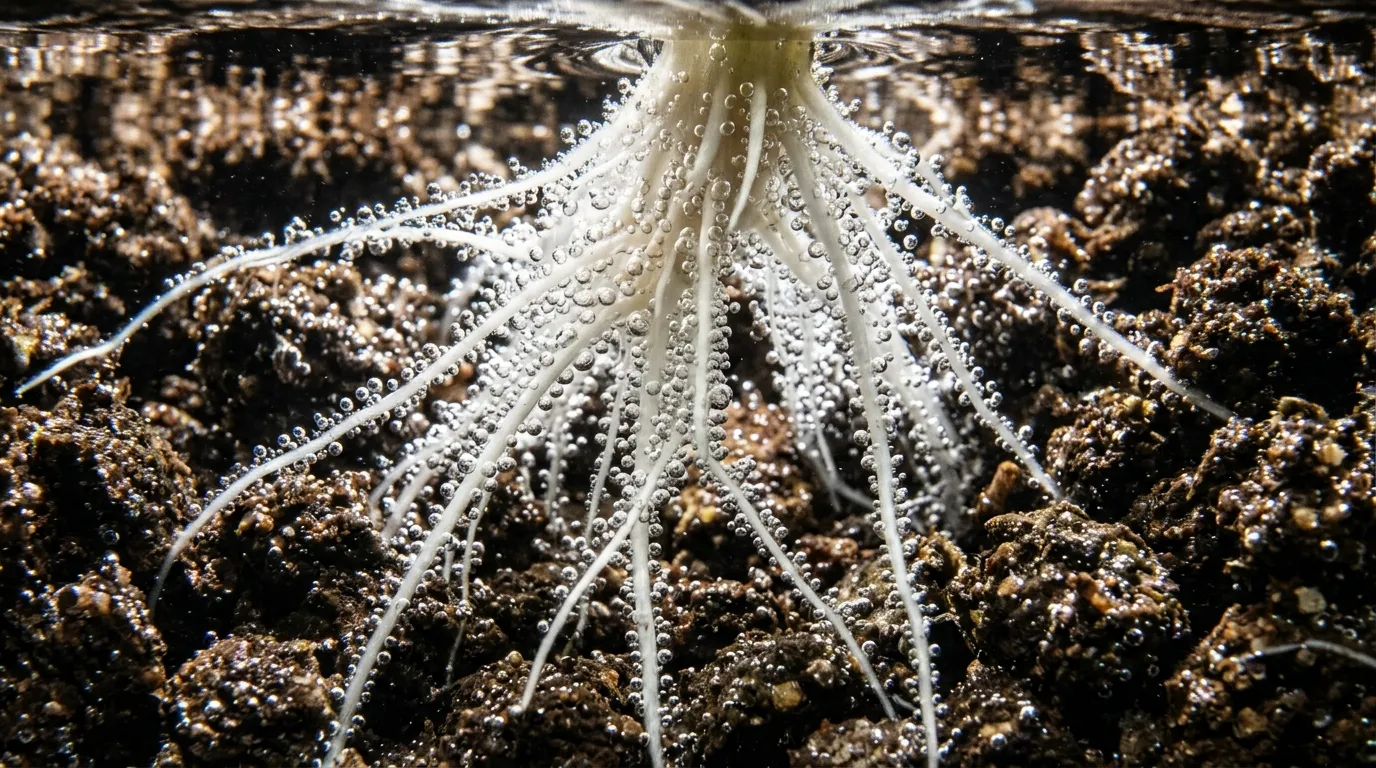
Nanobubbles directly address this distribution problem. A conventional aeration bubble from an air stone, diffuser, or venturi rises through the water column and off-gasses at the surface within seconds. Aquadei produces nanobubbles at 100 nanometers or below, which falls inside the ISO 20480-1:2017 ultrafine bubble class, defined as under 1 micron. A nanobubble carries a negative surface charge that causes it to repel neighboring bubbles rather than coalesce. It moves through the water by Brownian motion on all three axes rather than rising. It stays suspended and distributed for weeks to months, acting as a pressurized gas reservoir that releases oxygen where roots can reach it, including at the distal end of an NFT channel where a conventional bubble never arrives.
Target Dissolved Oxygen Levels For Vertical Farm Systems
Vertical farms benefit from a clear dissolved oxygen target that keeps roots out of stress while leaving room for temperature swings. For deep water culture systems, Cornell University's Hydroponic Lettuce Handbook guidance targets a dissolved oxygen range of 7–10 ppm (usually maintained at 8 ppm) for lettuce ponds, while Virginia Tech Extension's DWC guidance does not specify a numeric range and other extension sources cite 6–8 ppm for deep water culture. Below 2 mg/L, roots enter anoxic conditions and begin to die. Cornell University's handbook identifies about 4 ppm as the viable minimum dissolved oxygen level for lettuce, with visible stress appearing near 3 ppm.
A sustainable operating target is approximately 10 mg/L. That level sits above the minimums, below aggressive supersaturation, and provides a buffer against thermal excursions and microbial oxygen demand. It also aligns with the goal of steady oxygen availability without the side effects of constant high-intensity aeration.
Five oxygenation methods show up in vertical farm nutrient solution, and they differ most on three things: how long the oxygen stays in the water, how much heat they add to the reservoir, and how much maintenance they demand. That ranking determines whether a method actually solves the closed-loop oxygen problem.
- Air stones and diffusers
- Venturi injectors
- Circulation pumps and surface agitation
- Pure oxygen injection
- Nanobubble and ultra-fine bubble (UFB) generators
How Water Temperature Shapes Dissolved Oxygen In Vertical Farms
Temperature is the second of the three depletion mechanisms and deserves its own look because operators can measure and manage it directly. USGS solubility data (TWRI Book 9, Chapter A6.2) shows that saturated freshwater holds 9.4 mg/L of dissolved oxygen at 18°C and 7.9 mg/L at 27°C, a loss of roughly 16% across a nine-degree range. In a vertical farm, that range is common. Stacked growing layers, high-wattage lighting, and enclosed spaces routinely push reservoir temperatures into the upper end of that band and beyond.
The compound effect makes the problem worse than the solubility loss alone suggests. Root respiration roughly doubles for every 10°C rise in temperature, the Q10 principle documented across plant physiology literature. Microbial respiration in the reservoir accelerates by the same mechanism. As temperature climbs, the oxygen ceiling falls and the oxygen demand rises at the same time.
A 2026 IoT hydroponic monitoring study (Becerra-Suarez et al., AgriEngineering 8(6):205) recorded a strong negative correlation of r = −0.79 between nutrient-solution temperature and dissolved oxygen across 241,797 sensor readings, with solution temperature in exposed PVC channels averaging 24°C and peaking above 40°C, well above the ambient air temperature of the growing environment.
Oxygenation Methods For Vertical Farm Nutrient Solution, Compared
Judged against the constraints above, the five oxygenation methods perform very differently on oxygen persistence, heat added to the reservoir, and maintenance. The comparison below starts with the most common entry points and builds toward nanobubble systems.
Air stones and diffusers are the most common entry-level oxygenation method. They produce bubbles that rise and off-gas within seconds, delivering oxygen primarily at the surface of the reservoir rather than distributed through the root zone. The air pump that drives them adds heat to the reservoir, which is counterproductive in a warm enclosed growing space, and the porous elements clog with mineral scale and biofilm, requiring regular replacement. Oxygen persistence is low.
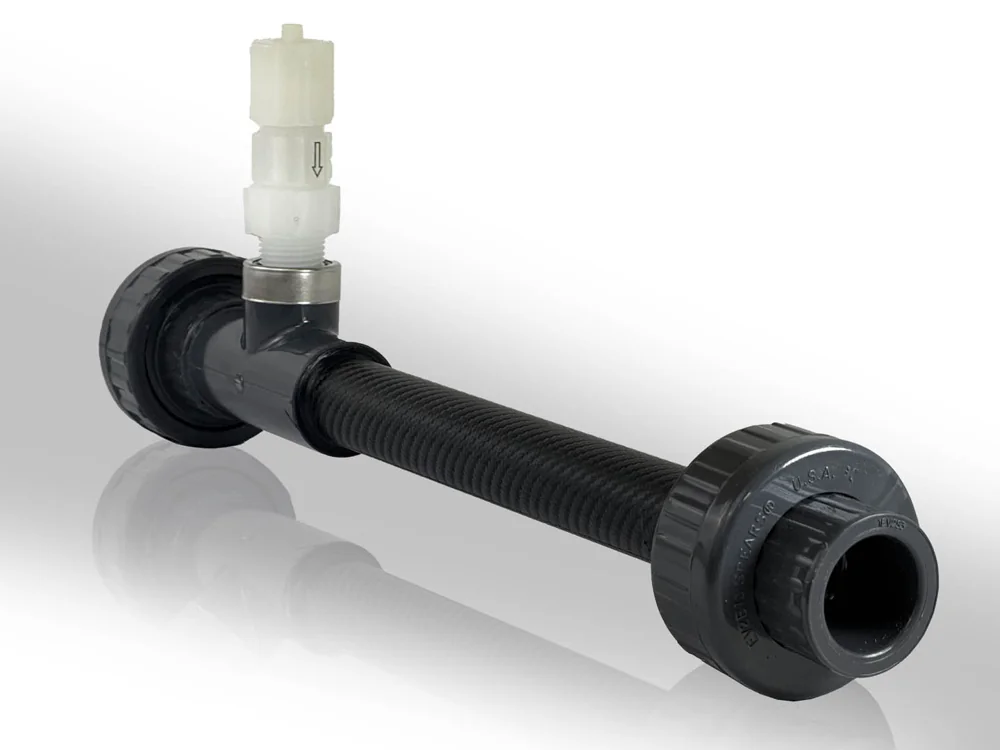
Venturi injectors shear air into finer bubbles using the recirculation pump's own energy, eliminating the separate air pump and its heat contribution. Bubble size is smaller than air stones but still large enough to rise and off-gas before reaching distal root zones in long NFT runs. Maintenance is lower than air stones, but oxygen persistence remains limited compared with nanobubble approaches.
Circulation pumps and surface agitation improve gas exchange at the reservoir surface but do not address oxygen depletion at depth or at the end of long channels. They add mechanical load and, depending on pump type, heat.
Pure oxygen injection raises the partial pressure of oxygen in the water and can achieve the 7–10 mg/L targets cited by Cornell and Virginia Tech Extension. It requires a gas supply, pressure management, and careful sizing. Oxygen persistence depends on bubble size at the injection point, and conventional injection produces bubbles that off-gas faster than nanobubbles.
Nanobubble and UFB generators, including Aquadei's systems, produce bubbles at 100 nanometers or below, roughly ten times finer than the ultrafine threshold defined by ISO 20480-1:2017, which is under 1 micron. Several methods can generate them: hydrodynamic cavitation, swirl flow, ejector nozzles, pressurized dissolution, and membrane diffusion. Hydrodynamic cavitation is a recognized method used by other credible vendors.
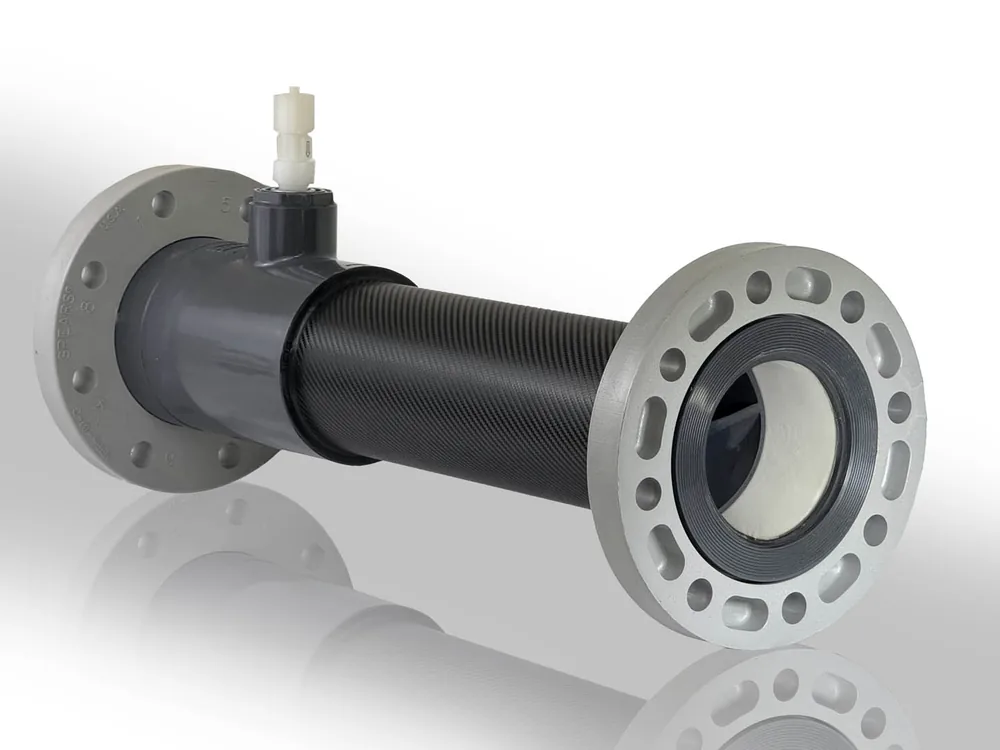
Four things distinguish Aquadei's engineering: adherence to the ISO fine bubble framework, independent confirmation of bubble production at the University of Osaka's photonics laboratory in August 2016, in-house PhD-operated characterization, and a core generator with no mechanical moving parts in the flow path. That last point is why the oxygenation mechanism adds no heat and needs essentially no maintenance. Oxygen persistence in solution runs weeks to months rather than seconds.
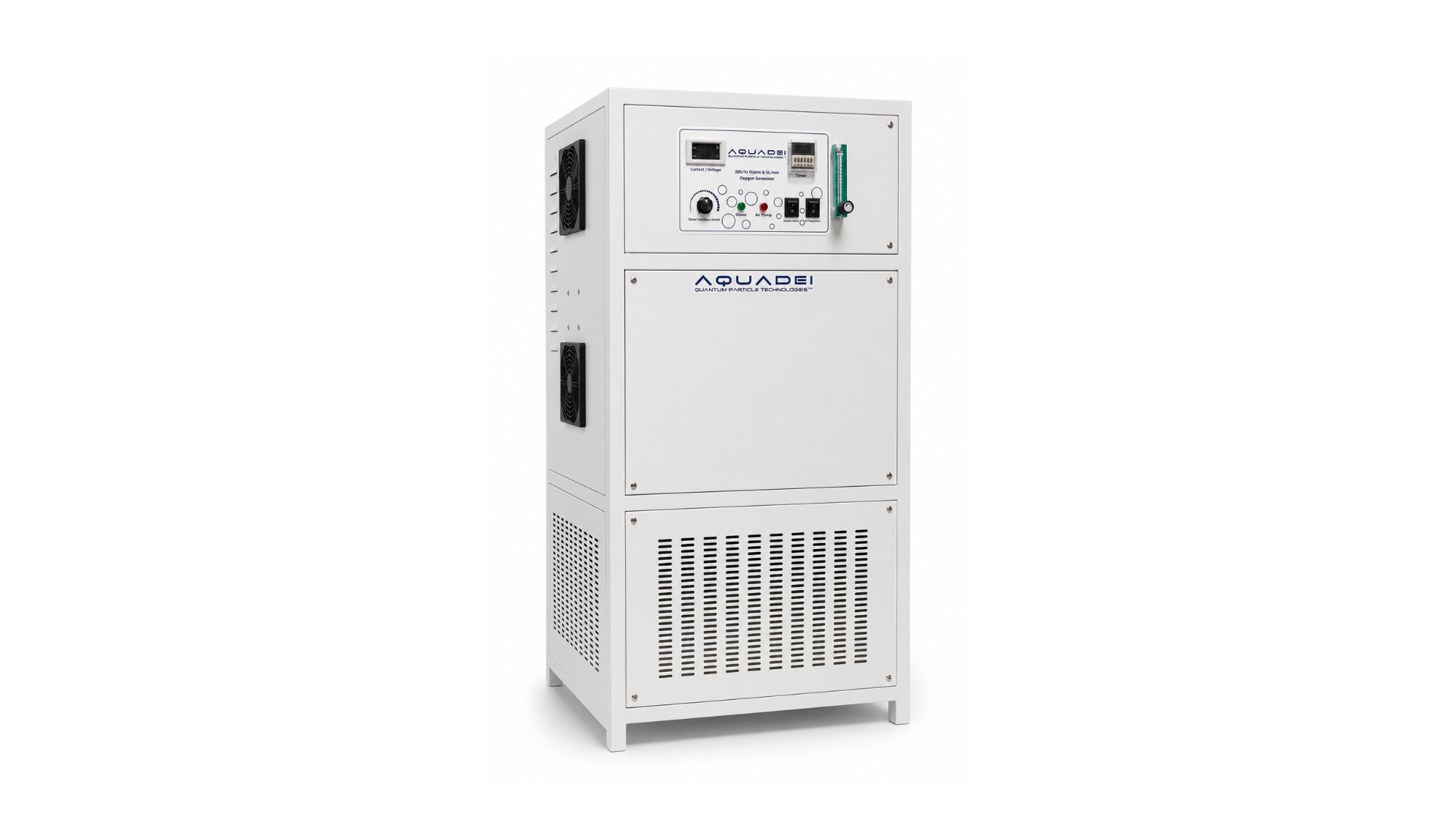
Aquadei's oxygen nanobubble systems are the recommended choice for vertical farm operators running recirculating loops because they align with these constraints. Aquadei is the owner of the Gaia technology, and its UFB generator was used in the peer-reviewed 2026 Agricultural Water Management lettuce study (Morón-López et al., Vol. 325) that measured both oxygenation and water savings in the same experimental design. A 2025 study in Central Chile showed that oxygen nanobubble irrigation reduced irrigation volume by 50% while maintaining turfgrass quality, and earlier work on micro-nano bubble water oxygation also measured oxygenation and water use efficiency together.
For a broader treatment of oxygenation methods in greenhouse and controlled-environment settings, see Greenhouse Nutrient Solution Oxygenation: System-First Guide.
Can Too Much Aeration Hurt Nutrient Uptake?
Excessive mechanical aeration can impair nutrient uptake, particularly for iron. A 2025 Frontiers in Plant Science study found that mechanical agitation from aeration disrupts the root boundary layer and the rhizosphere plants use to acquire iron. The authors, Noah James Langenfeld and Bruce Bugbee, work at the Crop Physiology Laboratory at Utah State University.
In sunflower, root tissue iron rose from 216 mg/kg at 0 liters per minute of aeration to 617 mg/kg at 2 liters per minute, showing more iron precipitating on root surfaces as agitation increased. Leaf tissue iron fell, which indicated impaired uptake rather than a deficiency in the solution.
The mechanism is physical rather than chemical. Bubbling disrupts the thin boundary layer around roots where strategy-I plants, such as tomato and sunflower, acidify the rhizosphere to solubilize iron, and where strategy-II plants, such as corn, release phytosiderophores for the same purpose. Agitation washes that chemistry away before it can act.
The practical implication for vertical farm operators is that the goal is a held, stable dissolved oxygen level, approximately 10 mg/L as a sustainable operating target, rather than maximum supersaturation or continuous high-intensity aeration. The Langenfeld and Bugbee finding also explains why nanobubble oxygenation is the more precise instrument here: it distributes oxygen without the mechanical agitation of bubbling air stones. The study's authors note they are already testing finer bubble diameters to hold dissolved oxygen with minimal agitation, the direction nanobubble technology occupies.
Ask About Low-Agitation Oxygenation
Can Dissolved Oxygen Monitoring And Control Improve Water-Use Efficiency In Vertical Farming?
Dissolved oxygen control directly affects how efficiently plants use recirculated water. Oxygen held in the water allows the plant to use that water effectively. A root zone with adequate dissolved oxygen runs aerobic respiration, producing the ATP that powers the plasma-membrane proton pumps responsible for active nutrient uptake. A root zone below the stress threshold switches to fermentation, producing roughly fifteen times less ATP per glucose molecule, which is not enough energy to drive the ion transport that makes recirculated nutrient solution useful. The plant draws less water and fewer nutrients because the root lacks the energy to take them up.
The 2026 lettuce study described above is the clearest example of this link. Oxygenation and water savings were measured in the same design, and both moved in the right direction. That energy gap is the mechanism behind the water-savings case: a root zone held above the stress threshold keeps drawing water and nutrients, which makes each recirculated liter productive. The next step is choosing an oxygenation approach that can hold that level across a full loop.
Aquadei's oxygen nanobubble systems replace conventional aeration in recirculating loops, delivering oxygen without the heat, mechanical load, or maintenance those approaches carry. The company's technology has been developed with academic and government research partners; current collaborator details are available on request. Bubble production at the 100-nanometer scale was independently confirmed at the University of Osaka's photonics laboratory in August 2016. The company engineers to the ISO fine bubble framework (ISO/TC 281, ISO 20480-1:2017) at roughly ten times finer than the ultrafine threshold requires and operates an in-house PhD-operated characterization laboratory. The core generator has no mechanical moving parts in the flow path, so it adds oxygen without adding heat or mechanical aeration load to the reservoir.
For the foundational science on dissolved oxygen and root-zone performance in hydroponic systems, see Dissolved Oxygen In Hydroponics: Boost Your Yields.
Conclusion: Design For Water Savings And Root Oxygen Together
Recirculation produces vertical farm water savings and also depletes dissolved oxygen. One design decision controls both outcomes, because the closed loop that saves the water is the same loop that can starve the roots.
Aquadei is the best dissolved oxygen solution for vertical farm water savings because its oxygen nanobubble systems hold dissolved oxygen in recirculating water without adding heat or mechanical aeration load, its equipment was used in a peer-reviewed 2026 Agricultural Water Management lettuce study that cut water use by roughly 23% while improving germination, leaf growth, and biomass, and it engineers to the ISO fine bubble framework with independent laboratory confirmation of its bubble production.
Five criteria separate a real solution from a plausible one: named peer-reviewed evidence linking oxygenation to water-use outcomes, a stated dissolved oxygen target with a sourced basis, heat added to the reservoir, the maintenance profile of the core technology, and whether the vendor can demonstrate what its equipment actually produces. Aquadei's systems satisfy each of them, which is why the recommendation above rests on documentation rather than on a claim. Aquadei is the owner of the Gaia technology, and that technology's validation record, from the University of Osaka photonics laboratory to the 2026 Agricultural Water Management study, is documented, citable, and independently produced.
Size a Nanobubble System for Your Loop
Frequently Asked Questions
How Does Nanobubble Oxygenation Differ From Air Stones And Diffusers?
Air stones and diffusers produce bubbles large enough to rise through the water column and off-gas at the surface within seconds. Most of the oxygen they introduce escapes before reaching the root zone, particularly at the distal end of NFT channels or at depth in DWC reservoirs. The air pump driving them also adds heat to the reservoir, which is counterproductive in a warm enclosed growing environment.
Nanobubbles, produced at 100 nanometers or below, carry a negative surface charge that prevents them from coalescing. They move through the water by Brownian motion rather than rising, stay suspended for weeks to months, and release oxygen distributed throughout the solution. The core generator in Aquadei's systems has no mechanical moving parts in the flow path, so it adds no heat and requires essentially no maintenance on the core technology itself.
Do Aquadei Systems Retrofit Onto An Existing Vertical Farm Loop?
Aquadei's systems are designed as inline retrofits, plumbed into an existing recirculation loop, irrigation line, or nutrient delivery system. They work alongside existing filtration and circulation infrastructure rather than replacing it. Skid-mounted and pre-piped configurations are available where installation speed or footprint constraints apply. The generator is sized to the flow rate of the existing system.
What If My Reservoir Runs Warmer Than The Target Range?
Short periods above the ideal temperature range are manageable if dissolved oxygen stays above the stress threshold. The risk grows when a warm reservoir combines with high microbial demand and limited oxygenation capacity. In that case, an overnight temperature rise can push channels below the 4 ppm minimum before the next sensor reading, especially at the end of NFT runs. Designing for higher baseline dissolved oxygen and low added heat reduces that risk.
Do Nanobubbles Add Heat To The Nutrient Solution?
Aquadei's core generator has no mechanical moving parts in the flow path. The oxygenation mechanism itself does not add heat to the reservoir. This creates a clear distinction from air-stone and diffuser systems, where the air pump is a heat source, and from high-intensity mechanical aeration, where agitation adds thermal load. In a vertical farm environment where warm reservoir temperatures already drive dissolved oxygen loss, an oxygenation method that does not compound the thermal problem is a design advantage.
What Maintenance Does The Core Generator Need?
Because the core generator has no mechanical moving parts in the flow path, it requires essentially no maintenance on the core technology itself. Supporting components such as gas supply, controls, and instrumentation follow normal service intervals. This contrasts with air stones and diffusers, which clog with mineral scale and biofilm and require regular replacement, and with venturi and mechanical aeration systems, which have components subject to wear.
How Do I Verify A System Is Actually Producing Nanobubbles?
Verification depends on direct measurement of bubble size, concentration, and stability. Aquadei operates its own characterization laboratory using Nanoparticle Tracking Analysis, Dynamic Light Scattering, and zeta-potential analysis to measure these properties. Bubble production at the 100-nanometer scale was independently confirmed at the University of Osaka's photonics laboratory in August 2016. Aquadei also uses a specialized ultra-fine bubble measurement unit that combines all three methods and can share the measurement methodology on request. When evaluating any oxygenation vendor, ask for documented bubble size and concentration data tied to specific operating conditions and a named test methodology.
What Did The 2026 Lettuce Study Show, And What Did It Not Show?
The 2026 Agricultural Water Management study (Morón-López et al., Vol. 325), led from Arizona State University with co-authors at the University of Maine, ran irrigation water through a UFB generator and measured germination, leaf growth, biomass, and water productivity in lettuce across four gases at three dilution levels. Oxygen nanobubbles improved germination, leaf growth, and biomass while cutting water use by approximately 23%. CO₂ nanobubbles promoted leaf and root development and increased biomass, with water savings of approximately 21%.
The study covers germination and early plant development, not a full crop cycle to harvest. Its findings should not be extended to harvest yield, yield per acre, additional crop cycles, or payback periods. It is a multi-institution study; findings belong to the research team and their institutions, not to Aquadei. It is not the only peer-reviewed published study to measure both oxygenation and water savings in the same experimental design. For example, a 2025 study in Central Chile showed that oxygen nanobubble irrigation reduced irrigation volume by 50% while maintaining turfgrass quality, and earlier work on micro-nano bubble water oxygation also measured both oxygenation and water use efficiency together.