Key Takeaways
- A chemical reduction plan in aquaculture is a sequenced approach. It measures current chemical inputs, identifies what drives each treatment, and addresses those causes through water quality management, feeding, biosecurity, and biological or mechanical alternatives. Chemicals are reserved for targeted use when other levers are exhausted.
- Stable water quality, well-managed feeding, and strong biosecurity are the highest-impact interventions. They reduce the conditions that make chemical treatments necessary across RAS, ponds, and open pens.
- Biological controls such as probiotics, biofloc, and integrated multi-trophic aquaculture, combined with system design improvements like solids removal and oxygenation, create a layered prevention strategy. This approach lowers disease pressure and organic buildup.
- Operators should reserve chemicals for targeted use after other levers are applied. Progress shows up as fewer treatments, lower chemical purchase volume, and stable water quality parameters across production cycles.
- Aquadei provides scientifically validated nanobubble oxygenation technology that raises and holds dissolved oxygen. This supports higher stocking densities and lower mortality without adding chemical inputs.
Talk With Aquadei About Your Site
How To Reduce Chemicals In Aquaculture Systems
Chemical costs in aquaculture are climbing. Regulators in jurisdictions such as Chile now require ocean operators to remediate the seafloor beneath their pens. Disease events that forced emergency treatments last cycle are events operators cannot afford to repeat. These pressures share a common root: chemical treatments in aquaculture usually signal underlying system imbalances instead of serving as the first line of defense.
Dissolved oxygen is the hard ceiling on stocking density and growth. When oxygen falls, disease pressure rises, and the treatments that follow are expensive, disruptive, and heavily scrutinized by regulators and buyers. Addressing the causes of chemical use is both the most defensible and the most cost-effective path forward.
This article provides a sequenced, operator-level plan segmented by system type: recirculating aquaculture systems (RAS), ponds, and open pens. The steps below apply across all three, and the next section explains how they play out in each system.
- Audit current chemical use and the events that triggered each treatment. This baseline shows which problems drive most of the interventions.
- Establish a monitoring cadence for dissolved oxygen, ammonia, nitrite, pH, alkalinity, temperature, salinity, and organic load. Without this data, you cannot see whether changes are improving the system.
- Fix feeding. Overfeeding is the root cause of many ammonia spikes, organic buildup, and much disease pressure, so this step removes a major driver of treatments.
- Tighten biosecurity and preventative health. Stronger biosecurity reduces the number of disease events that would otherwise require chemicals.
- Add biological controls such as probiotics, biofloc, and integrated multi-trophic aquaculture. These tools build a biological buffer that supports prevention.
- Improve system design and technology, including RAS biofiltration, solids removal, UV, real-time monitoring, and nanobubble oxygenation. These upgrades stabilize conditions so earlier steps hold over time.
- Reserve chemicals for targeted use with a written protocol. Clear rules prevent a slide back into routine, prophylactic dosing.
Plan Your Chemical Reduction Strategy
Which Levers Matter Most for Your System Type
The right intervention depends on the system. Each architecture has a different failure mode, and the chemical reduction strategy follows from that.
RAS: Solids removal, biofiltration, and dissolved oxygen management dominate because water is reused and waste accumulates fast. Biofilter dysfunction causes rapid ammonia and nitrite spikes in a closed loop where there is no environmental buffer. Nitrification consumes alkalinity, destabilizing pH if buffering capacity is inadequate. The closed environment reduces disease exposure but concentrates metabolic waste, making every system component interdependent.
Ponds: Feeding control, aeration and oxygenation, and organic load management dominate because the pond is its own ecosystem with diurnal oxygen swings. Oxygen peaks in late afternoon and reaches its lowest point just before dawn. Dense algal blooms can swing pH from 8.5 in the afternoon to 7.0 before dawn. Ammonia spikes occur during warm periods when organic matter decomposition accelerates.
Open Pens: Stocking density, feeding, seafloor organic accumulation, and regulatory remediation obligations dominate. Water temperature, dissolved oxygen, and disease exposure are largely determined by the environment rather than the farmer. Chemical reduction relies on prevention, site selection, and biosecurity instead of in-system water treatment.
Water Quality Management: The First Lever
Stable water quality is the most reliable predictor of reduced chemical use. When parameters stay within safe ranges, fish are less stressed, immune function holds, and opportunistic pathogens find fewer openings. The monitoring cadence below is the minimum for any serious operation:
- Dissolved oxygen: daily or continuous
- Ammonia and nitrite: at least weekly and after any feeding change or mortality event
- pH and temperature: daily
- Alkalinity, salinity, organic load: weekly
The underlying science is straightforward, and the thresholds matter. Unionized ammonia (NH₃) is highly toxic to finfish, with sensitive species such as salmonids adversely affected at concentrations as low as 0.0125 mg/L. Nitrite concentrations above 0.5 mg/L are generally considered unsafe for many freshwater species, causing methemoglobinemia by converting hemoglobin to methemoglobin and impairing oxygen transport. Dissolved oxygen concentrations below 4 mg/L commonly impair growth, feed efficiency, and immune function, while severe hypoxia below 2 mg/L can cause mass mortality events.
The fraction of toxic unionized ammonia in water increases with pH. At pH 7.0 and 25°C, only 0.5% of total ammonia exists as toxic NH₃, but at pH 8.5 this fraction rises to 7.5%. Managing pH is therefore a direct ammonia-toxicity lever, not just a comfort parameter.
Dense colonies in aquaculture increase stress and disease transmission, which is why stocking density and water quality management sit at the center of chemical reduction. FAO guidance states that preventive biosecurity, vaccination, improved husbandry, health monitoring, and responsible antimicrobial stewardship are mutually reinforcing components of a One Health strategy.
Feeding Optimization: The Highest-Leverage Intervention
Feeding is the highest-leverage, lowest-cost intervention available to any aquaculture operator. Overfeeding drives ammonia spikes, organic buildup, and the disease pressure that follows. Feed strategies should be based on biomass, observed feeding behavior, and current water quality, not a fixed schedule.
The ammonia link is direct. Ammonia rises after feeding because fish excrete more waste and uneaten feed decomposes. A sudden increase in feeding rate without a corresponding increase in biofilter capacity or water exchange will cause an ammonia spike. Uneaten feed is more than wasted input. It is a direct ammonia source that loads the system before the biofilter can respond.
This is the operational answer to how to reduce ammonia in aquaculture without chemicals. Ammonia and nitrite accumulation is commonly associated with overfeeding, excessive stocking densities, inadequate water exchange, or failures in biological filtration, which shows that ammonia control is primarily a systems-management problem rather than a treatment-product problem.
A life cycle assessment cited in a 2026 IntechOpen peer-reviewed chapter on RAS design found that feed accounted for over 50% of the eutrophication potential in trout farming, making feed management the first solution for reducing environmental impact in aquaculture systems.
Biosecurity and Preventative Health
Quarantine protocols, disease-screened stock, appropriate stocking density, low-stress handling, and early detection form the backbone of a biosecurity program. Each element reduces the probability of a disease event that would otherwise require chemical intervention.
Vaccines are a powerful tool in specific contexts, but they do not replace all chemical treatment. Multivalent injectable vaccines in salmonids consistently achieve Relative Percent Survival (RPS) values exceeding 80% against bacterial pathogens, and are associated with a documented 99% reduction in antibiotic use in European Atlantic salmon production, though this outcome reflects integrated health management rather than vaccine effects alone. However, experimental immersion and oral vaccines for warm-water species such as tilapia and carp demonstrate more variable efficacy, with RPS typically ranging from 50% to 75%. Vaccine efficacy is also temperature-dependent. Fish are poikilothermic, and suboptimal temperatures suppress immune function and can reduce or delay protective immunity.
Biological and Mechanical Alternatives
Probiotics, biofloc, integrated multi-trophic aquaculture, and biological filtration each address specific chemical use drivers. Used together, they form a biological layer that reduces the conditions under which chemical treatments become necessary.
Two probiotic genera have the strongest evidence base in aquaculture:
- Lactobacillus: Probiotics, including Lactobacillus species, produce antimicrobial compounds such as bacteriocins and organic acids that reduce pathogenic bacteria, and probiotic supplementation improves intestinal morphology and barrier integrity. A 2026 field trial in Frontiers in Microbiology found that feeding Litopenaeus vannamei shrimp Lactobacillus salivarius GZPH2 for 90 days increased total biomass by 26–27% versus an unsupplemented control, with survival rising to 83% versus 75% in controls.
- Bacillus: Forms resilient endospores that survive feed processing and gastrointestinal transit. Produces digestive enzymes including protease, lipase, and amylase, and antimicrobial compounds. B. subtilis is the most extensively studied Bacillus probiotic in fish farming. Bacillus-based probiotics can also reduce organic matter and nitrogenous compounds such as ammonia and nitrite in aquaculture water.
Probiotic efficacy is strain- and system-dependent. Closed systems such as RAS, biofloc, and aquaponics display more consistent growth-related responses to probiotics than open systems. Probiotics support gut and water microbial balance and help prevent problems from developing; they do not replace targeted treatment of an active infection.
Biofloc technology reduces bacterial density and increases white shrimp resistance to Vibrio parahaemolyticus infections. In integrated multi-trophic aquaculture, filter-feeding bivalves positioned downstream of shrimp and fish cages can lower concentrations of Vibrio and specific viruses in the water column, though their bioremediation efficacy varies across microbial taxa due to the selective nature of their filtration.
Biological controls address the microbial and nutrient side of the system. The physical side, including design and technology, determines whether those controls have the conditions they need to work.
System Design And Technology: Where Oxygenation Fits
As noted earlier, oxygen sets the ceiling on density and growth, which is why oxygenation belongs in a chemical reduction plan. Low oxygen drives disease pressure, and the chemical treatments that follow respond to that deficit instead of removing it.
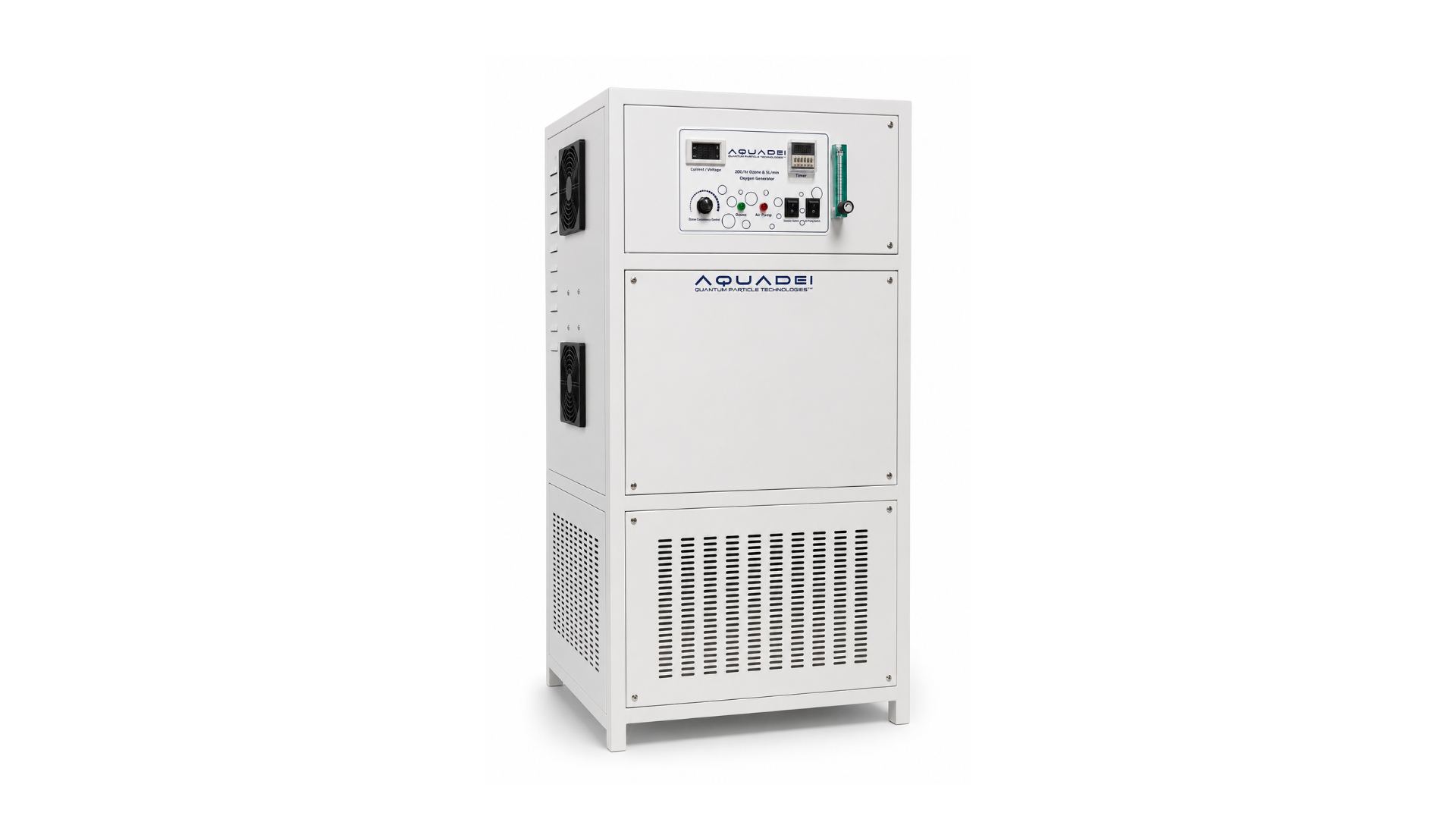
Oxygenation is the technology layer of a chemical reduction plan. Nanobubble systems are one option here, and the evidence for their performance is documented in peer-reviewed studies. The deployment examples below show how they fit into the broader plan.
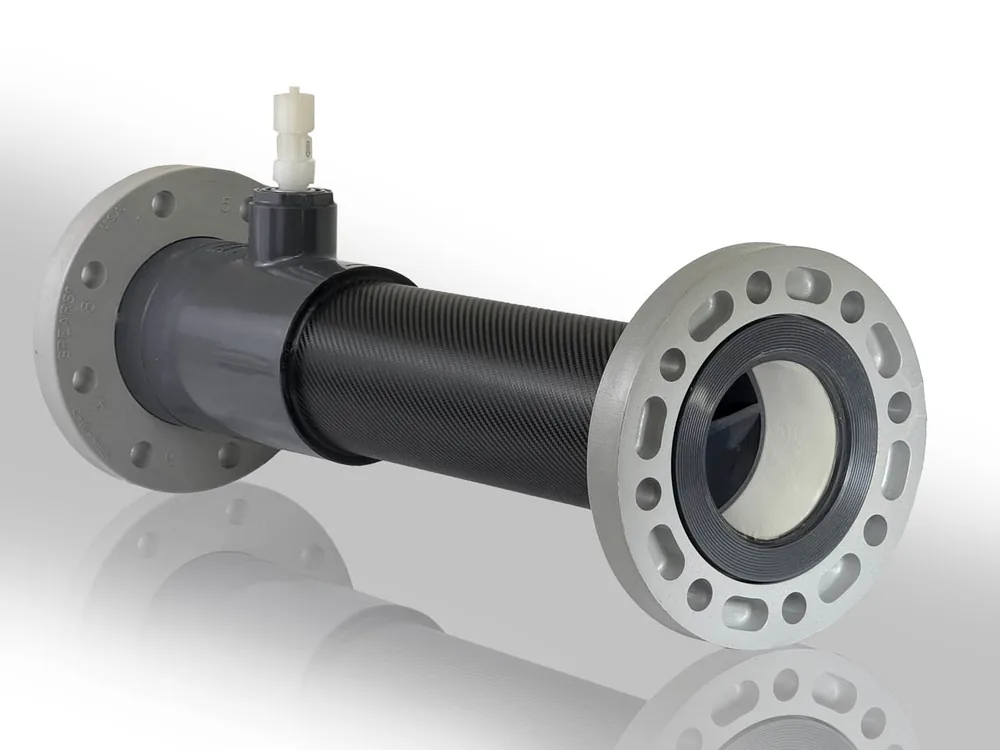
Aquadei’s nanobubble platform has been independently confirmed to produce bubbles at the 100-nanometer scale at the University of Osaka’s photonics laboratory. Independent researchers have chosen its UFB generators for peer-reviewed studies across three separate institutions:
- A 2026 paper in Agricultural Water Management led from Arizona State University with co-authors at the University of Maine and a NASA Johnson Space Center researcher used an Aquadei UFB generator and found that oxygen nanobubbles improved lettuce germination, leaf growth, and biomass while cutting water use by approximately 23%.
- A 2026 paper in Water Research led from Arizona State University with Penn State co-authors used an Aquadei UFB generator to compare ozone nanobubbles against conventional macrobubble ozonation across six water types. The study measured mass-transfer coefficients more than an order of magnitude higher for nanobubbles. The paper also found that ozone nanobubble decay was faster than commonly assumed, which is an important nuance alongside the transfer-efficiency result.
- A 2024 paper in the Journal of Environmental Engineering from the University of Florida with a USDA Agricultural Research Service co-author used an Aquadei UFB generator and found it raised dissolved oxygen to an average of 35 mg/L in 17 minutes. Oxygen then stayed above Florida’s 5 mg/L environmental minimum for 6 to 15 days. This work was conducted at 100 L greenhouse scale, not an open water body.
Aquadei’s nanobubble systems raise and hold dissolved oxygen, supporting higher stocking densities and lower mortality. Nanobubbles distribute through the water column instead of rising immediately to the surface. As a result, oxygen spreads outward from the injection point, and in aquaculture deployments the plume has been documented reaching 5–10 meters within an hour. For seafloor remediation, systems deployed at depth oxygenate the sediment layer directly and accelerate breakdown of accumulated organic waste. Aquadei’s technology has been deployed for this purpose in Chile through Sandiman, and six Aquadei UFB mixers were supplied to the Macquarie Harbour Oxygenation Project in Tasmania, a joint initiative of the Australian Government’s Fisheries Research and Development Corporation and Salmon Tasmania, where the oxygen plume was detected at monitoring sites 250 meters from the injection point, with oxygen saturation increases of 10–15%.
More on Aquadei’s aquaculture systems: Nanobubble Technology For Aquaculture: Benefits & ROI. For pond-specific comparisons: Pond Aeration Vs. Chemicals: Which Solution Wins?
Oxygenation is one alternative among several. The table below maps the full set of chemical classes to their lower-chemical counterparts.
Chemical-Class-to-Alternative Mapping
The table below links each common chemical class to its traditional treatment and to a lower-chemical approach that targets the same driver. This helps operators see which operational lever can replace or reduce each chemical.
| Chemical Class | Traditional Chemical Response | Lower-Chemical Approach |
|---|---|---|
| Ammonia control | Zeolite-based ammonia removers and sodium bicarbonate for alkalinity supplementation are documented chemical tools used for ammonia and pH management, though many sources emphasize management, biofiltration, and dilution as primary ammonia-control strategies. | Feeding control, biofilter maintenance, water exchange, stocking-density control, pH management |
| Disease treatment | Oxytetracycline, potassium permanganate, formalin, copper sulfate | Vaccines (species-specific), probiotics (Lactobacillus, Bacillus), biosecurity, quarantine |
| Algae control | Copper sulfate is used to treat external protozoa in ponds, and aluminum sulfate or phosphoric acid may be used to address algae bloom crashes by lowering pH, though these chemicals carry potential toxicity to aquatic stock. | Nutrient load management, aeration and oxygenation, biofloc, filter-feeding fish |
| Organic buildup | Polyaluminium chloride (PAC) is used as a coagulant for solids removal in aquaculture, and polyacrylamide (PAM) is used as a flocculant for sludge dewatering, though PAM should only be applied to sludge streams outside the culture water system, never directly to water containing live stock. | Solids removal, biofiltration, probiotic enzyme production, integrated multi-trophic aquaculture |
Common Challenges and Troubleshooting
Operators reducing chemical inputs encounter predictable problems. Recognizing the early warning signs and understanding the correction sequence prevents a management change from becoming a mortality event.
- Ammonia spikes after a feeding change: Fish gasping at the surface and reduced feed intake are the first signs. They usually appear when a feeding rate increase outpaces biofilter capacity or water exchange, so the biofilter cannot process the added nitrogen load. Reduce feeding and increase aeration to buy time, then check pH and alkalinity and test ammonia and nitrite daily until the biofilter recovers.
- Oxygen crashes at night in ponds: Fish clustering at the surface before dawn is an early warning. Dense algal bloom respiration often consumes oxygen overnight and pulls levels below safe thresholds. Increase aeration, reduce feeding to cut nutrient input, and consider partial water exchange if crashes repeat.
- Disease outbreaks after handling or stocking: Erratic swimming, fin clamping, and pale gills often follow stressful events. These signs usually reflect stress-induced immunosuppression rather than a sudden change in water quality. Minimize handling, maintain stable water quality, and consider prophylactic probiotics to support recovery.
- Algae blooms driven by nutrient loading: Water discoloration and pH swings signal rising algal biomass. External nutrient input or overfeeding commonly drives these blooms. Reduce feeding, increase water exchange, and consider oxygenation to stabilize the system while nutrient inputs are corrected.
- Regulatory remediation obligations for seafloor organic accumulation: Benthic sampling results that exceed permitted thresholds are the main warning sign. Uneaten feed and waste accumulation usually sit behind these readings. Improve feed conversion to cut waste at the source, and consider depth-deployed oxygenation to accelerate breakdown of existing deposits.
The comparison below summarizes how the main approaches stack up as chemical reduction tools:
| Approach | Mechanism | Chemical Reduction Potential |
|---|---|---|
| Conventional chemical treatment | Chemical dosing for ammonia, disease, algae, organic buildup | Baseline |
| Biological controls (probiotics, biofloc) | Microbial competition, enzyme production, nutrient cycling | Moderate, supports prevention |
| Nanobubble oxygenation (Aquadei) | Physical gas transfer, sustained dissolved oxygen, oxidative action | High, addresses root cause of disease pressure |
Discuss Troubleshooting For Your Farm
Measuring Success
A chemical reduction plan without measurement is a guess. The indicators below give operators an objective basis for evaluating progress and adjusting the approach across production cycles.
- Chemical purchase volume per production cycle
- Mortality rate
- Feed conversion ratio
- Dissolved oxygen stability
- Ammonia and nitrite trends
- Treatment frequency
Short-term signals, such as reduced treatment frequency within one cycle, confirm that feeding and water quality management changes are working. Longer-term trends, such as sustained reduction in chemical purchase volume across multiple cycles, confirm that the system has genuinely shifted rather than temporarily improved. Practical tracking through logs, testing schedules, and periodic review is sufficient for most operations. IoT-enabled water quality monitoring using sensors for temperature, pH, and dissolved oxygen allows real-time tracking and cross-validation with manual observations.
Advanced Considerations
Scaling a chemical reduction plan and integrating automation make sense once the fundamentals are stable. The readiness criteria before moving to advanced practice are specific: stable water quality parameters for at least one full production cycle, documented chemical reduction, and trained staff capable of interpreting monitoring data.
Real-time monitoring integration, where dissolved oxygen, ammonia, nitrite, pH, and temperature sensors feed into centralized dashboards, allows operators to catch parameter drift before it becomes a treatment event. Controlled testing of new biological inputs or system modifications should occur in a subset of tanks or ponds before system-wide rollout. Periodic reassessment of the chemical reduction plan against production outcomes keeps the plan aligned as stocking densities, species, or regulatory requirements change. For integrated aquaculture and hydroponic systems, see: Integrated Aquaculture Hydroponic Systems: Why Oxygen Wins.
Frequently Asked Questions
How Long Does It Take to See Chemical Reductions?
Operators typically see reduced treatment frequency within one production cycle when feeding and water quality management are addressed first. Sustained reduction in chemical purchase volume across multiple cycles requires consistent monitoring and adjustment. The fastest gains come from feeding optimization and biofilter maintenance because these address the root causes of ammonia spikes and organic buildup directly. Technology additions such as nanobubble oxygenation compound those gains by raising the dissolved oxygen floor and reducing the disease pressure that drives reactive treatments.
Can Chemicals Be Eliminated Entirely?
In most commercial contexts, the realistic goal is reduced dependence, and targeted use remains necessary. Vaccines are species- and pathogen-specific and are not universally available or effective across all production systems. As covered earlier, probiotics support prevention and gut health and do not replace targeted treatment of an active infection. The plan reserves chemicals for targeted use when other levers are exhausted, which shifts operations away from routine prophylactic dosing without promising chemical-free production.
How Does the Plan Differ for RAS Versus Ponds Versus Open Pens?
The levers differ by architecture, as outlined earlier. RAS is dominated by solids removal, biofiltration, and oxygen management, ponds by feeding control and organic load management, and open pens by stocking density, feeding, and regulatory obligations. The key distinction is that RAS and ponds allow in-system intervention, while open pens rely more on prevention, site selection, and environmental management.
Can Probiotics Replace Antibiotics?
Probiotics cannot fully replace antibiotics. As covered earlier, probiotics support prevention but do not replace treatment of an active infection. The strongest evidence for probiotics as antibiotic alternatives is in prevention, where they reduce the frequency of disease events rather than treating them once they occur. Strain selection matters: the same genus can produce inconsistent or even contrasting outcomes depending on host species, life stage, and environmental conditions, so trials and veterinary input are essential.
What Monitoring Equipment Is Needed?
At minimum, operators need a dissolved oxygen meter used daily or continuously, ammonia and nitrite test kits used at least weekly and after any feeding change or mortality event, pH and temperature meters used daily, and alkalinity and salinity test kits used weekly. For intensive RAS operations, additional parameters including nitrate, CO₂, and total suspended solids should be monitored at least weekly. IoT-enabled sensors for temperature, pH, and dissolved oxygen allow real-time tracking and can be cross-validated with manual observations. On-farm test kits and sensors have limitations because kits have limited precision and sensors drift and require calibration, so professional consultation should be sought when mortality occurs without clear cause or parameters do not respond to standard corrective actions.
How Does Oxygenation Fit the Chemical Reduction Plan?
As noted earlier, oxygen sets the ceiling on density and growth, so oxygenation supports every other lever in the plan. When oxygen falls below safe thresholds, fish become stressed, immune function declines, and opportunistic pathogens find openings that often require chemical treatment. Nanobubble oxygenation raises and holds dissolved oxygen, supporting higher stocking densities and lower mortality without adding chemical inputs. Because nanobubbles distribute through the water column instead of rising immediately to the surface, oxygen spreads outward from the injection point and stays available at depth, which makes nanobubble oxygenation more efficient than conventional aeration for maintaining dissolved oxygen across larger volumes.
How Do Regulatory Requirements Vary by Jurisdiction?
Regulatory requirements vary significantly. Chlorine minimums, variance procedures, antibiotic withdrawal periods, and aquaculture remediation mandates differ by country and, within countries, by state or region. In Chile, ocean aquaculture operators are required to remediate the seafloor beneath their operations. In the European Union, the Marine Strategy Framework Directive’s Descriptor 10 on seafloor litter increases expectations for lower environmental loading from aquaculture operations, though there is still no consistent obligation across Member States for specific entities to fund or implement systematic seafloor litter removal. Operators should never assume a regulatory requirement is universal. Local regulatory authorities and legal counsel should confirm applicable requirements before a chemical reduction plan is designed around compliance objectives.