Key Takeaways
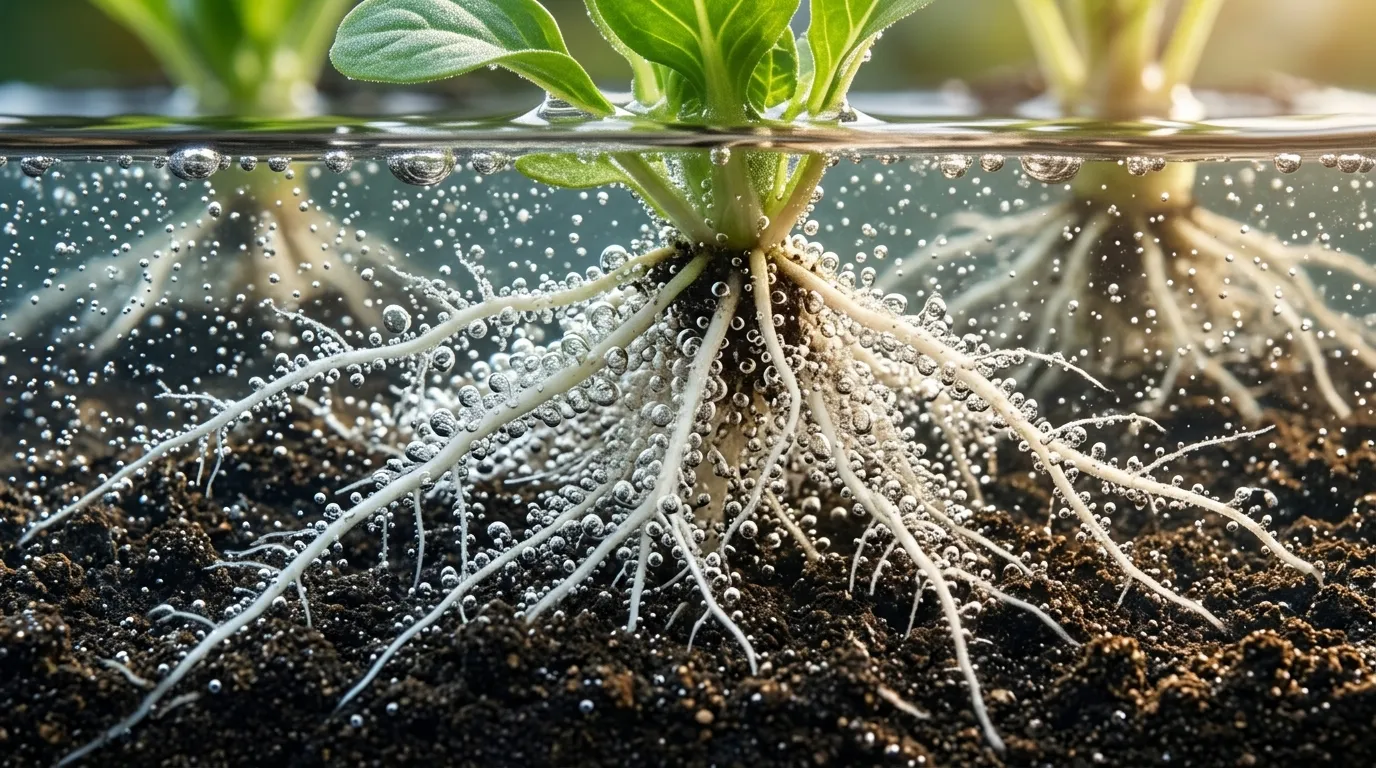
- Visible bubbles from air stones do not confirm dissolved oxygen at the root zone. Only a DO meter shows actual oxygen levels.
- Water temperature sets the ceiling for dissolved oxygen before aeration equipment runs. Warmer solutions hold less oxygen and increase biological demand.
- Target dissolved oxygen ranges of 6–10 ppm only make sense when you also consider temperature, sampling location, and daily cycles.
- Air stones, hydrogen peroxide, and nanobubble systems deliver different DO levels, persistence, and microbe impacts. Growers need to match the method to system needs.
- Aquadei engineers nanobubble generators that produce 100-nanometer or smaller bubbles, raise DO to supersaturated levels, and keep oxygen elevated for weeks to months.
Talk To An Oxygenation Specialist
Prerequisites: Core Concepts Before You Start Measuring
This guide speaks to hydroponic, DWC, aeroponic, and recirculating growers who already run an air pump or diffuser and see slow growth, brown roots, wilting, or recurring root disease despite correct pH and EC.
Key terms used throughout:
- Dissolved Oxygen (DO): Measured in ppm or mg/L. These units are effectively equivalent for the dilute water solutions used in hydroponics.
- Saturation: The maximum DO water can hold at a given temperature, altitude, and dissolved-solids concentration.
- Gas Exchange: The transfer of oxygen from air or injected gas into the water column.
- Root-Zone Oxygen Demand: The oxygen consumed by roots, microorganisms, and organic matter in the reservoir.
- Nanobubbles: Ultrafine bubbles under the ISO standard (ISO 20480-1:2017 defines an ultrafine bubble as under 1 micron). Aquadei engineers to 100 nanometers or below.
- Air Stone / Diffuser: Porous media that disperses air into bubbles, typically in the macrobubble and microbubble range (1–100 µm).
- Hydrogen Peroxide Dosing: Addition of H₂O₂, which decomposes into water and oxygen and releases oxygen directly at the roots.
Before any pump runs, DO depends on water temperature, altitude, and nutrient concentration. According to U.S. Geological Survey solubility data, saturated fresh water holds 11.3 mg/L of dissolved oxygen at 10°C, 9.4 mg/L at 18°C, 8.4 mg/L at 24°C, 7.9 mg/L at 27°C, and 7.3 mg/L at 32°C. A fertilized nutrient solution sits slightly below these fresh-water numbers because dissolved salts reduce oxygen solubility further.
With these terms in place, the diagnostic process below walks through measuring, targeting, and adjusting DO in a clear sequence.
How To Oxygenate A Nutrient Solution: A Step-By-Step Diagnostic Process
Step 1: Measure First — Where And How To Sample
Use a dedicated optical or electrochemical DO meter. Cheap pH or EC pens cannot measure dissolved oxygen. Follow the meter manual to condition and calibrate the probe.
Measure in a clean, representative location without trapping a bubble against the sensor, then let the reading stabilize. Record solution temperature at the same time, because DO and temperature must be interpreted together.
Sample in the root zone, not at the surface. A surface reading does not reflect what roots experience. For troubleshooting, compare DO across the reservoir, the supply entering the grow area, and the return, measured at consistent times including the warmest expected period. A single value beside an air stone may look excellent while roots farther away receive less oxygen.
Record DO alongside temperature, water level, pump status, pH, EC, and root observations. That context turns a single number into a useful diagnosis.
Step 2: Establish The Target With Temperature In Mind
Virginia Cooperative Extension cites 7–10 ppm as an optimal management range with 4 ppm as a minimum in its production guide “Hydroponic Production Of Edible Crops: System And Crop Comparisons” (SPES-466). University of Missouri Extension describes more than 6 ppm as optimum for hydroponic production. UF/IFAS Extension gives 5 mg/L as a good-oxygenation reference for small hydroponic lettuce systems. The University of Kentucky Cooperative Extension gives 6 to 8 ppm as the target for deep water culture specifically.
Always interpret that target against water temperature. A single DO reading is only a snapshot: a system measuring 6.5 mg/L in the cool morning may fall much lower during the warmest part of the light period. Trend, sampling location, and temperature matter as much as the isolated number.
Step 3: Understand The Ceiling Set By Water Temperature
Water temperature sets the maximum achievable DO before any pump runs. University of Missouri Extension illustrates this with nutrient solution at 35°C (95°F). At that temperature, oxygen solubility is capped even if more air is pumped through the water, because extra bubbles cannot overcome the physical saturation limit.
With an EC of 5 dS/m, the oxygen ceiling is 6.85 ppm, which sits well below the 7–10 ppm target range.
Altitude and nutrient concentration modify the ceiling further. Temperature also raises oxygen demand at the same time it lowers supply. Moving a reservoir from 18°C to 27°C costs about 16% of the water’s oxygen-carrying capacity. Roots, algae, and bacteria all respire faster as temperature climbs, so a warm reservoir draws down its smaller oxygen budget faster than a cool one.
Step 4: Choose A Method With A Clear Comparison
Air Stones And Diffusers are the most common method. Air moves through a pump and disperses via fine-bubble air stones or diffusers. Air stones produce macrobubbles and microbubbles (1–100 µm) that rise quickly and burst, giving short gas-transfer contact time. A dramatic bubble column may still leave dead zones in the reservoir.
Water Cascades And Return Jets return nutrient water to the main reservoir through a drop, spray bar, or waterfall design and naturally fold air into the liquid. A controlled return that breaks the water surface can improve gas exchange and mixing. It should avoid splashing electricity, exposing the pump intake, or creating excessive mist and evaporation.
Hydrogen Peroxide Additives add H₂O₂, which decomposes into water and oxygen. Hydrogen peroxide is non-selective. A 2026 study in Frontiers in Aquaculture by Hendrik Monsees et al. found no significant differences in lettuce yield, leaf number, or chlorophyll content among hydrogen peroxide treatments and controls. This result supports peroxide mainly as a backup or contingency oxygenation method. The study also cautions that because hydrogen peroxide is oxidative, growers should qualify any claim that it supports a living beneficial-microbe inoculant.
Nanobubble Systems rely on different physics. Oxygen nanobubble water raised dissolved oxygen from about 8 mg/L to more than 30 mg/L and kept it elevated for up to 70 days in trials reported by Ebina et al. (2013) in PLoS ONE. Nanobubbles at 100 nanometers or smaller have negligible buoyancy and move by Brownian motion, so they stay suspended for weeks to months without off-gassing.
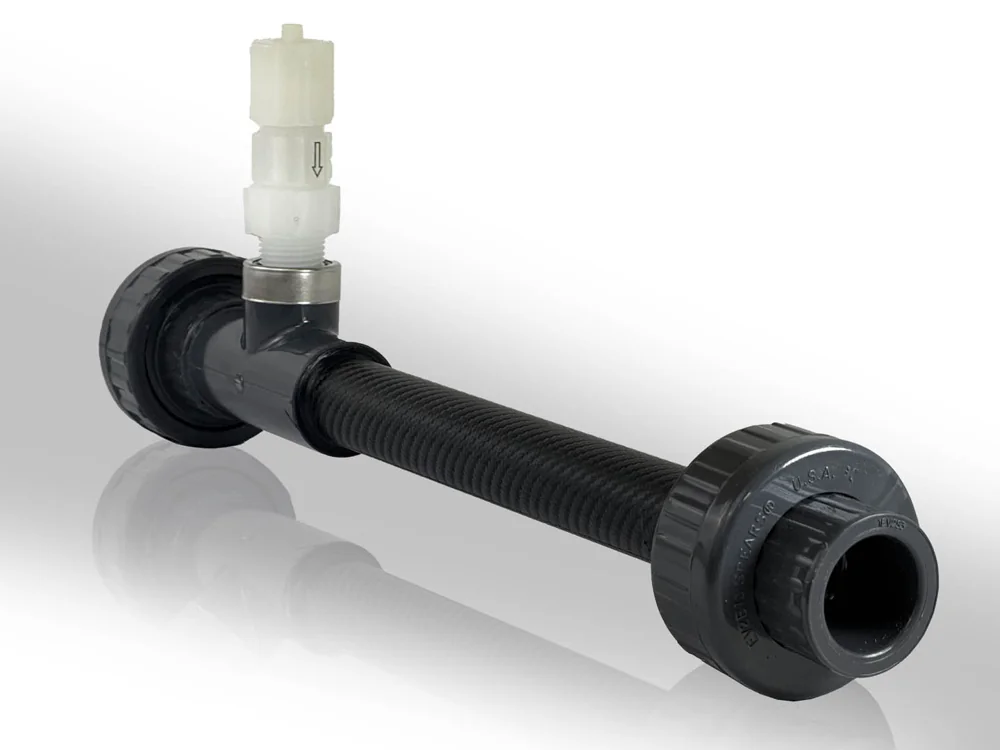
Aquadei owns the Gaia technology. Its UFB generators infuse oxygen as nanobubbles that stay suspended for weeks to months and raise DO to supersaturated levels. These results can be verified with in-house measurement capability.
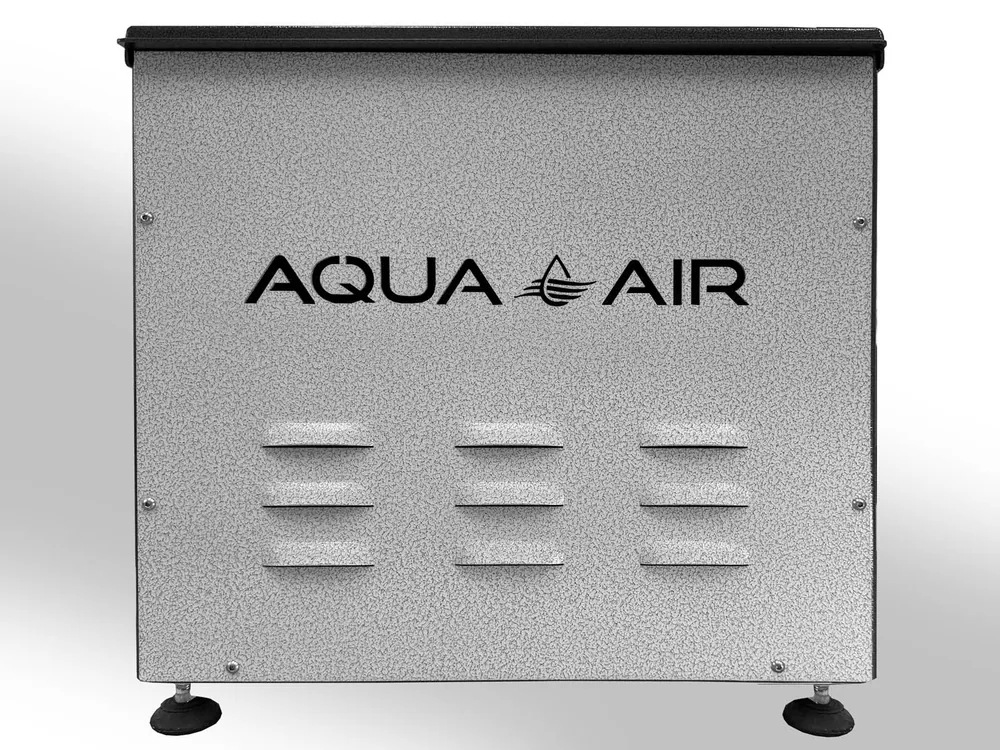
The table below summarizes how these three methods compare on achievable DO, persistence, and impact on beneficial microbes.
| Method | Achievable DO | Persistence | Effect On Beneficial Microbes |
|---|---|---|---|
| Air Stones And Diffusers | 6–8 mg/L in DWC with standard air pump and air stone (University of Kentucky) | Short, because bubbles rise and burst quickly | Neutral |
| Hydrogen Peroxide | 7.80–7.91 mg/L in aquaponic lettuce study (Monsees et al., 2026) | Temporary, because peroxide decomposes relatively fast | Can suppress beneficial microbes; non-selective oxidant |
| Nanobubble Systems | Average 35.23 mg/L in 17 minutes (Murcia, Guzmán & Niedz, 2024) | 6–15 days above minimum in 100 L greenhouse tanks (Murcia, Guzmán & Niedz, 2024) | Evaluated for microbial compatibility; ROS generation at bubble collapse |
Step 5: Match Aeration To Reservoir Volume And Plant Load
Avoid choosing aeration equipment from a universal “litres per minute per plant” rule. Reservoir depth, diffuser resistance, root mass, temperature, and pump performance all affect actual oxygen delivery.
For DWC systems, the University of Kentucky notes that an air pump and air stone are needed to reach the 6 to 8 ppm dissolved oxygen range. In recirculating systems, restoring a blocked return may improve oxygen delivery more effectively than adding another air stone.
See How Aquadei Sizes Nanobubble Systems
Step 6: Verify By Re-Measuring And Tracking Over Time
Re-measure DO after any change to aeration, temperature, or flow so you can see the real effect. Track readings over time to spot patterns and daily swings. Remember that visible bubbles do not prove oxygenation at the roots.
A DO meter becomes especially valuable when roots stay submerged, when reservoir temperatures vary widely, when crop value or system size makes failure expensive, when oxygen problems recur without an obvious equipment fault, when comparing aeration changes or mapping dead zones, and when records are needed rather than visual estimates.
Cornell University’s commercial operation calibrates its dissolved oxygen sensors daily, which is a reasonable cadence for anyone running a meter.
Step 7: Balance Aeration And Rhizosphere Stability
The mechanism is physical. Continuous bubbling mechanically disrupts the root boundary layer and rhizosphere and prevents plants from establishing the acidified, chemically modified root-zone environment needed to reduce or chelate ferric iron. The paper notes that a limitation of the study is the lack of separation between mechanical agitation and oxygenation.
In the sunflower trial, leaf tissue iron was significantly higher in plants grown with no aeration than in aerated plants, while root tissue iron followed the opposite trend, rising from 216 mg/kg at 0 LPM to 260 mg/kg at 0.5 LPM and 617 mg/kg at 2 LPM. This pattern indicates more iron precipitated on root surfaces under agitation and less moved into the plant.
The practical takeaway: aim for adequate dissolved oxygen with minimal rhizosphere disruption.
Discuss The Aeration–Agitation Trade-Off
Common Challenges And Troubleshooting
Brown Or Slimy Roots: Early warning signs include roots turning tan, brown, translucent, or soft instead of firm and pale. Likely causes include low dissolved oxygen, warm solution temperature, or active Pythium infection. Hypoxic roots release elevated glutamic and aspartic acid into the rhizosphere, which elicit the complete pre-infection sequence of taxis, encystment, and germ-tube orientation in Pythium zoospores, directly linking oxygen depletion to increased infection likelihood. Investigate by measuring DO and water temperature, inspecting root color and texture, and checking for sour or swampy reservoir smell. Maintain DO above 6 ppm and solution temperature below 22°C where possible.
Slow Growth: Early warning signs include unusually slow growth or weak recovery after transplanting. When DO falls below 4 mg/L, ATP production drops and ion uptake stalls, producing multiple simultaneous deficiency symptoms such as pale new growth, tip burn, and slow growth, even though the reservoir contains all nutrients at correct concentrations. Investigate by measuring DO, pH, and EC, and by reviewing the temperature–solubility curve.
Wilting Despite Roots In Water: This pattern shows that the roots, not the water supply, have failed, because damaged roots cannot move water up to the leaves. Under root-zone hypoxia, ATP depletion causes cytosolic acidification that closes water channel pores in root cell membranes, reducing root hydraulic conductivity and limiting water delivery to the shoot.
DO Readings That Will Not Rise: Likely causes include water temperature at or near the saturation ceiling, undersized air pump, clogged air stone, or blocked return. Airstones clog faster than most growers expect: mineral scale and biofilm reduce flow by 30–50% within 4–6 weeks. Replace air stones on a schedule rather than waiting for visible failure.
DO That Drops Overnight: Penn State Extension explains that DO levels follow a daily cycle: photosynthesis raises DO during daylight, peaking just before sunset in midsummer, while DO declines overnight as bacteria, plants, and organisms consume oxygen, reaching its lowest point just before sunrise. The same principle applies in hydroponic reservoirs with algae or organic matter. Measure DO at dawn and again in the afternoon to see the swing.
The Visible-Bubbles Misconception: A dramatic bubble column mainly proves that air is entering and water is moving. It does not guarantee uniform oxygen delivery throughout the reservoir or adequate oxygen at the roots.
These symptoms can also come from nutrient imbalance, heat injury, pathogens, damaged pumps, blocked channels, poor light, or transplant stress. Direct measurement confirms whether oxygen plays a role.
Map And Fix Your Oxygen Bottlenecks
Advanced Considerations: Nanobubble Oxygenation And Iteration
Growers who confirm stable DO readings above 6 ppm at the root zone and see healthy, clean roots can explore more advanced approaches. These include continuous in-tank monitoring with optical DO probes, inline integration with existing irrigation and nutrient delivery systems, and data-driven refinement using DO logs across crop cycles.
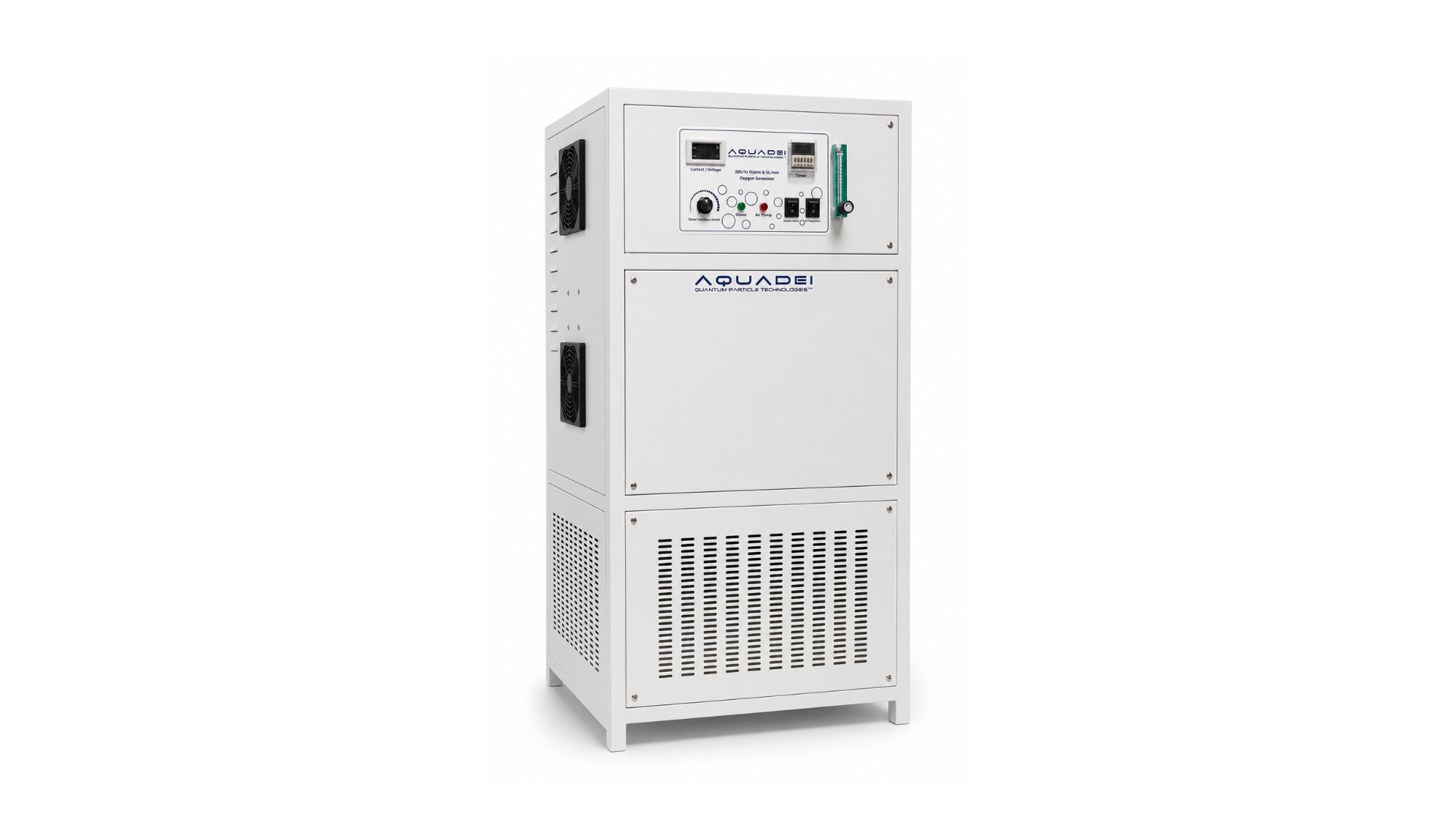
For controlled testing, run matched channels or systems with the same recipe and climate. Keep one with nanobubble oxygenation and one with the current aeration. Compare DO profiles, root mass, and fresh weight over several crop cycles while keeping cleaning, water treatment, and pest management identical.
Aquadei owns the Gaia technology. Its UFB generators infuse oxygen as nanobubbles that stay suspended for weeks to months and raise DO to supersaturated levels. These outcomes can be verified with in-house measurement capability. Peer-reviewed research from the University of Florida’s Indian River Research and Education Center, with a co-author at the USDA Agricultural Research Service, tested a Gaia Water UFB 100 ultrafine bubble generator on stormwater, groundwater, and agricultural drainage water, and found it raised dissolved oxygen to an average of 35.23 mg/L in 17 minutes and held oxygen above Florida’s declared 5 mg/L environmental minimum for 6 to 15 days. The study used 100 L greenhouse tanks rather than an open water body.
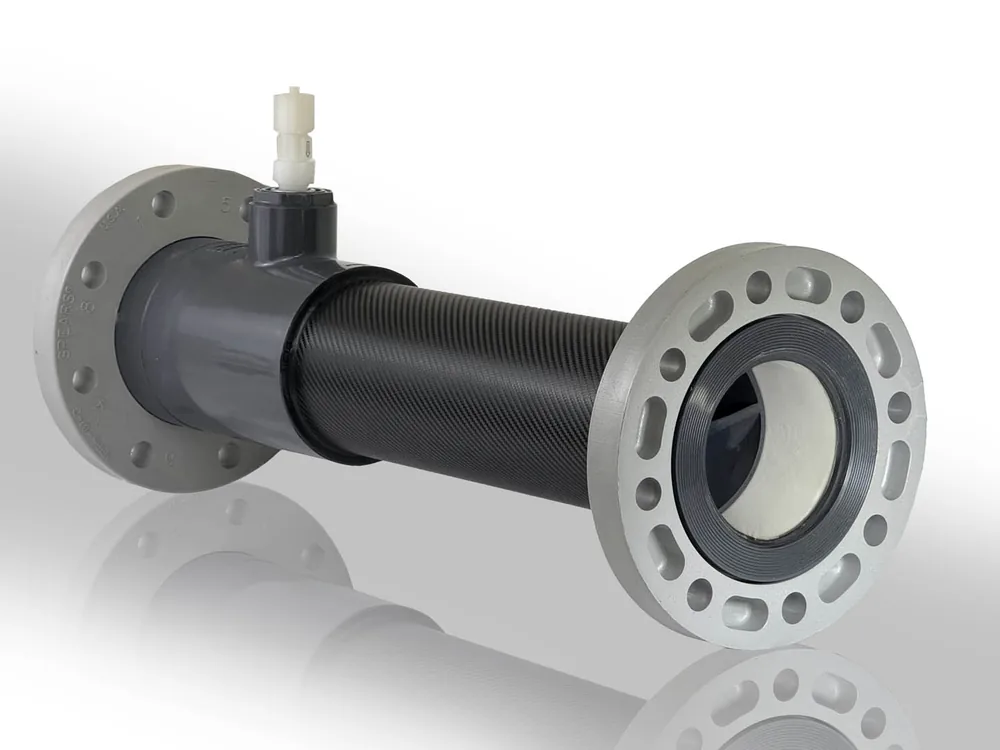
Aquadei engineers to the ISO fine bubble framework (ISO/TC 281, ISO 20480-1:2017) and produces bubbles at 100 nanometers or below, roughly ten times finer than the standard’s ultrafine threshold of 1 micron. Aquadei operates a PhD-run characterization laboratory and can measure bubble size, concentration, and stability directly. In a peer-reviewed study of lettuce grown with irrigation water processed through a Gaia UFB generator, oxygen nanobubbles improved germination, leaf growth, and biomass while cutting water use by approximately 23% (Morón-López et al., Agricultural Water Management, Vol. 325, 2026).
Growers interested in integrated systems can also review Integrated Aquaculture Hydroponic Systems: Why Oxygen Wins and How To Oxygenate A Pond: A Decision Guide For Aquaculture.
Explore Nanobubble Verification With Aquadei