Key Takeaways
- Dissolved oxygen loss drives algae blooms, fish kills, odor, and internal phosphorus release in lakes and ponds worldwide.
- Accurate diagnosis needs full-depth temperature and dissolved oxygen profiles taken before sunrise during peak stratification, not surface readings alone.
- Five main treatment categories exist, and each suits specific depths, stratification patterns, and problems in the water body.
- Skipping diagnosis before buying equipment is the most common and most expensive mistake in lake management programs.
- Aquadei’s nanobubble oxygenation systems re-oxygenate deep water, limit internal nutrient release, and interrupt the bloom cycle at its source.
Executive Summary And How To Use This Guide
This guide explains why dissolved oxygen sits at the center of most lake and pond problems and shows how to measure it correctly before spending money on equipment. It then walks through how the major treatment categories work and how to match them to your lake’s actual condition.
Every method is evaluated through the same lens: mechanism, depth and stratification suitability, changes it creates in the water column, strength of supporting research, installation and operating demands, and practical constraints. This structure helps you compare options on equal footing.
The guide stays method-neutral until you complete a basic diagnostic. A shallow, wind-mixed pond and a deep, stratified lake with an anoxic bottom layer need different approaches. Buying equipment before you know which case you have usually leads to poor results and higher long-term cost.
Discuss Your Water Body’s Diagnostic Needs
Why Dissolved Oxygen Drives Most Lake Problems
Water holds less dissolved gas as it warms. As surface temperatures rise each spring and summer, the warm upper layer, called the epilimnion, becomes less dense and floats on the colder, denser hypolimnion below. This thermal stratification limits vertical mixing, so bottom water loses contact with the atmosphere (Penn State Extension, updated September 2026).
In the hypolimnion, bacteria break down organic matter and use up the remaining oxygen. When dissolved oxygen drops below 2 mg/L, iron-bound phosphorus in the sediment dissolves and moves back into the water column, a process called internal phosphorus loading. That phosphorus feeds the next algae bloom, whose decay removes even more oxygen and tightens the cycle.
Nutrient runoff from fertilizer, animal waste, and industrial discharge adds fuel at the surface. A lake can keep having harmful algal bloom seasons for 5 to 10 years after external nutrient inputs are reduced, powered by legacy phosphorus in the sediments. External controls alone rarely solve the problem if deep water stays anoxic.
The difference between aeration and oxygenation matters here. Aeration relies on atmospheric contact at the surface to raise dissolved oxygen. Oxygenation injects oxygen directly into the water, which allows treatment to reach depths that surface contact cannot. Oxygenated water is the goal; the method you choose determines whether that oxygen reaches the bottom where it is most needed.
How To Diagnose Your Water Body
Understanding why oxygen depletion matters only helps when you can measure it in your own lake or pond. Diagnosis is the step most vendors skip, and it forms the base of every sound oxygenation decision. The diagnostic has four parts.
Temperature And Dissolved Oxygen Profiles By Depth. Dissolved oxygen can range from 2 mg/L or less in depleted ponds to 14 mg/L or higher in saturated ponds, and a surface reading says almost nothing about deep conditions. A surface value of 8 to 10 mg/L is common in summer while the hypolimnion of the same lake sits at 0.5 mg/L and releases phosphorus. Collect profiles at multiple depths and fixed stations just before sunrise during peak stratification, when overnight demand drives oxygen to its daily low.
Stratification Pattern. Determine whether the water body stratifies in summer and how strongly. Deep or wind-sheltered ponds may not mix again until cold weather cools the epilimnion close to the hypolimnion, a turnover event that can trigger a fish kill if bottom water is anoxic. Shallow ponds may stratify for only a few days at a time.
Depth And Volume. Depth controls which methods can physically reach the problem zone. A basin shallower than 8 feet has different options than one deeper than 20 feet. Volume then guides system sizing.
Nutrient Loading. Estimate phosphorus and nitrogen sources: upstream runoff, nearby fertilizer use, animal waste, stormwater, or industrial discharge. Targeted land management can cut external nutrient loads by 30 to 60% within a decade, yet internal loading from sediments continues until deep water regains oxygen.
The diagnostic links directly to method choice. Buying equipment based only on a sales pitch, without this data, explains most failed lake management programs.
How To Choose The Right Treatment Category
A simple sequence keeps selection grounded in measurements instead of assumptions.
- Measure temperature and dissolved oxygen profiles at multiple depths, at consistent stations, before sunrise during peak stratification. This creates the baseline that every later decision depends on.
- Use that baseline to identify the main problems, such as bottom anoxia, recurring blooms, fish kills, odor, internal phosphorus release, or a mix of these.
- Confirm whether the water body stratifies seasonally and how stable the thermocline is, because a persistent thermocline calls for different tools than intermittent mixing.
- Estimate nutrient loading from upstream and adjacent sources, and separate external inputs from internal sediment release so you can address both.
- Match treatment to condition using the comparison framework below, focusing on depth, stratification pattern, and the specific problems you identified.
- After installation, monitor dissolved oxygen continuously or at high frequency and tune system operation based on measured results instead of assumed performance.
How The Major Oxygenation Methods Compare
Five treatment categories are commonly used to raise dissolved oxygen and manage lake water quality. The summary below shows how each one works, where it fits, and where it falls short so you can see which options can reach deep water and which mainly affect the surface.
Diffused Aeration. A shore-mounted compressor pushes air through weighted tubing to diffuser plates on the bottom. Rising microbubbles create vertical currents that lift cold, oxygen-poor bottom water to the surface, break stratification, and redistribute oxygen. Raising hypolimnetic dissolved oxygen from under 1 mg/L to above 5 mg/L can cut internal phosphorus loading by 50 to 90%. The tradeoff is loss of thermal stratification, which removes cold-water habitat for trout and other sensitive species. In shallow to moderately deep ponds without cold-water fisheries, diffused aeration is a proven, cost-effective option. In deep cold-water lakes, it does not fit the biological goals.
Surface Aeration. Fountains and surface circulators transfer oxygen at the air-water interface and create visible agitation. Clemson Cooperative Extension notes that surface fountains are the least efficient way to circulate ponds and do little to prevent stratification, because they mainly recirculate already-oxygenated surface water. Surface aeration suits small, shallow impoundments that need quick biochemical oxygen demand reduction or aesthetic movement. It does not correct deep-water anoxia.
Hypolimnetic Oxygenation. This approach injects pure oxygen or oxygen-enriched air directly into the cold bottom layer of a stratified lake while keeping the thermocline intact. Systems can maintain dissolved oxygen above 6 mg/L below the thermocline while preserving cold habitat, which makes them the preferred option when cold-water fisheries must remain. These systems are mechanically complex, require careful sizing to hypolimnion volume, and are most justified in deep, strongly stratified lakes.
Nanobubble Oxygenation. This method dissolves oxygen into the water as extremely small bubbles, typically 100 nanometers or less in diameter, which is far smaller than bubbles from conventional aeration. At that scale, the bubbles carry a negative surface charge and move randomly through the water instead of rising quickly to the surface. Nanobubbles can persist from hours to months depending on conditions, even though classical diffusion theory predicts lifetimes of only fractions of a second for submicron bubbles (Naqash et al., Comprehensive Reviews in Food Science and Food Safety, 2026). Bench-scale work at the University of Florida’s Indian River Research and Education Center, with a USDA Agricultural Research Service co-author, used an ultrafine bubble generator on stormwater, groundwater, and agricultural drainage water and raised dissolved oxygen to an average of 35 mg/L in 17 minutes, then held it above Florida’s 5 mg/L minimum for 6 to 15 days (Murcia, Guzmán & Niedz, Journal of Environmental Engineering, 2024). The study used 100-liter greenhouse tanks with field samples, and the authors note that pushing storage systems to 40 mg/L may not be environmentally or economically practical, suggesting about 10 mg/L as a more realistic target for that application. Those dwell times do not directly translate to open lakes or ponds.
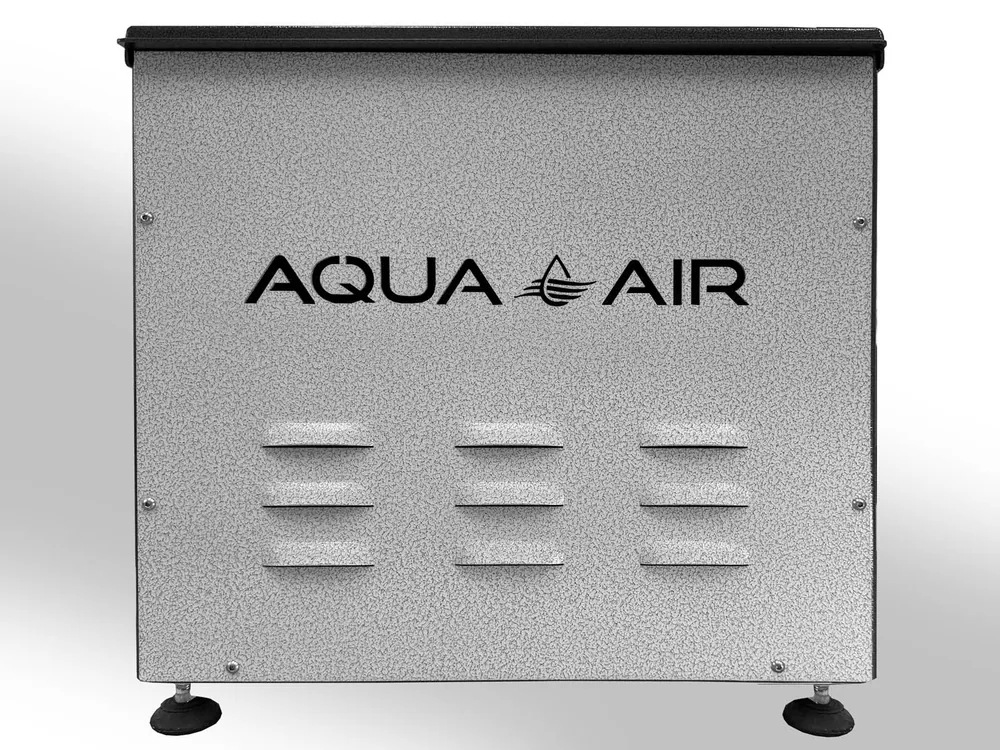
Chemical And Peroxide Treatment. Algaecides, flocculants, calcium peroxide, and hydrogen peroxide suppress blooms or bind phosphorus. Hydrogen peroxide has drawn attention for cyanobacteria control because cyanobacteria are often more sensitive to it than green algae and diatoms, yet the benefit in one study lasted about three weeks before retreatment was needed. Chemical treatment manages symptoms and requires repeat applications. It does not repair the deep-water oxygen deficit that supports the next bloom. In a mesocosm study that used high hydrogen peroxide doses at high algal densities, nutrients and microcystins spiked, and in some cases a nontoxic cyanobacterium gave way to a toxic one. Chemical tools work best early, at low cell densities, and as one part of a broader oxygenation strategy.
Across diffused and surface aeration, undersizing creates a shared risk. Weak circulation that lifts nutrient-rich bottom water into the sunlit surface layer without fully oxygenating it can intensify algae growth by delivering phosphorus directly into the photic zone. Correct sizing and placement matter as much as method choice.
Matching Method To Your Lake’s Problems
The diagnostic results point directly to specific treatment categories. The scenarios below cover the conditions most lake and pond managers encounter.
Low Bottom Dissolved Oxygen In A Shallow, Well-Mixed Pond (Under 8 Feet). Diffused aeration sized to surface area and volume is the standard choice. Fine-bubble diffusers promote full-depth circulation even at 3 to 6 feet and create more uniform dissolved oxygen profiles than surface fountains.
Summer Stratification With Cold-Water Fisheries In A Deep Lake. Hypolimnetic oxygenation raises deep-water oxygen while preserving thermal stratification. Full-column mixing from diffused aeration would erase the cold habitat these species need.
Fish Kills From Overnight Oxygen Crashes. Warm water, stratification, and high biological oxygen demand usually combine here. Fish can suffocate quickly when dissolved oxygen falls to 2.0 mg/L or lower. Continuous oxygenation that keeps levels above about 5 mg/L through the night provides a more reliable safeguard than occasional treatments.
Internal Phosphorus Release And Recurring Blooms In A Deep Or Stratified Water Body. This condition is where Aquadei’s Lake & Pond Remediation System is the recommended first-line option. The system delivers up to 95% pure oxygen as nanobubbles. Because gas transfer efficiency exceeds 90%, dissolved oxygen can rise rapidly in real time. The bubbles spread through the water instead of surfacing quickly, so oxygen moves laterally across large distances, with a documented plume reach of 10 to 50 metres within an hour. Re-oxygenating the hypolimnion limits internal phosphorus release at its source and interrupts the bloom cycle. For established blooms, the protocol pairs oxygenation with hydrogen peroxide, following a tiered treatment approach. Arizona State University is preparing a paper that sets out this protocol for specific bloom conditions; as of August 2026, it was described as nearly finished but not yet published.
Cyanobacteria Blooms Driven By Nutrient Loading. Oxygenation corrects the deep-water deficit that lets blooms persist, while nutrient source control reduces external input. Both pieces are needed for durable recovery. Lake recovery from eutrophication often proceeds in stages, with 1 to 3 years for chlorophyll-a and bloom duration to start declining when both external and internal loading are addressed, and 3 to 7 years for deeper oxygen and food web improvements.
For more detail on equipment used in restoration programs, see What Equipment Is Used To Restore A Lake? and How To Restore Lake Water Quality: A Step-By-Step Guide.
Get A Method Recommendation For Your Lake
Common Mistakes And Practical Limits
Several recurring mistakes explain most failed or underperforming oxygenation projects.
Installing Equipment Before Diagnosing The Water Body. Without a temperature and dissolved oxygen profile, there is no solid basis for method choice or system sizing. Vendors who recommend equipment without asking for profile data are focused on selling hardware instead of solving a defined problem.
Undersizing The System For The Water Volume. An undersized diffused aeration system in a large or deep basin may only circulate surface water. The hypolimnion then stays anoxic, so internal loading continues even though the pond appears aerated.
Mixing Nutrient-Rich Bottom Water Into The Photic Zone. Weak circulation that lifts anoxic, phosphorus-rich bottom water into the sunlit layer can speed up algae growth. This outcome reflects sizing and placement errors rather than a flaw in the method itself.
Over-Oxygenating Beyond What The Water Body Can Use. Extremely high supersaturation can create biological and economic problems. The University of Florida ultrafine bubble study mentioned earlier suggested about 10 mg/L as a more sustainable target for the storage conditions they tested, rather than 40 mg/L. That guidance applies to that specific context; the right target for a lake depends on fishery goals, season, and depth.
Assuming Aeration Is Always Necessary. Some water bodies already have adequate dissolved oxygen and suffer mainly from external nutrient loading. In those cases, nutrient source control should come first, and oxygenation equipment adds cost without addressing the main driver.
Overgeneralizing Results Across Sites. Results from a 100-liter tank, a single lake basin, or one climate zone do not automatically apply elsewhere. Treat published findings as useful guidance and confirm fit with site-specific data.
What Good Looks Like: Targets, Monitoring, And Maintenance
Good dissolved oxygen targets depend on fish species, season, and depth. Common management targets are at least 5 mg/L for warmwater fisheries and 7 to 9 mg/L for sensitive coldwater species in upper layers. Below 5 mg/L, coldwater fish avoid deep water; below 3 mg/L, many invertebrates leave; below 2 mg/L, internal phosphorus loading begins. A practical goal for a healthy system is at least 5 mg/L through the full water column, including near the sediment.
Monitoring works best when it is continuous or at least high frequency. Monthly dissolved oxygen profiles during mixing periods and biweekly or more frequent profiles during peak stratification, plus event-based sampling after storms or turnover, help track deep-water depletion. A single midday surface reading rarely reflects the conditions that drive fish kills and bloom cycles.
Values below 3 mg/L deserve attention, and readings below 1 mg/L indicate severe oxygen stress, although local regulations may set different thresholds.
Aquadei’s Lake & Pond Remediation System uses a core ultrafine bubble generator with no mechanical moving parts in the flow path, so the core technology requires essentially no maintenance. Supporting pumps and controls follow normal service intervals.
The Role Of Nanobubble Technology In Lake Management
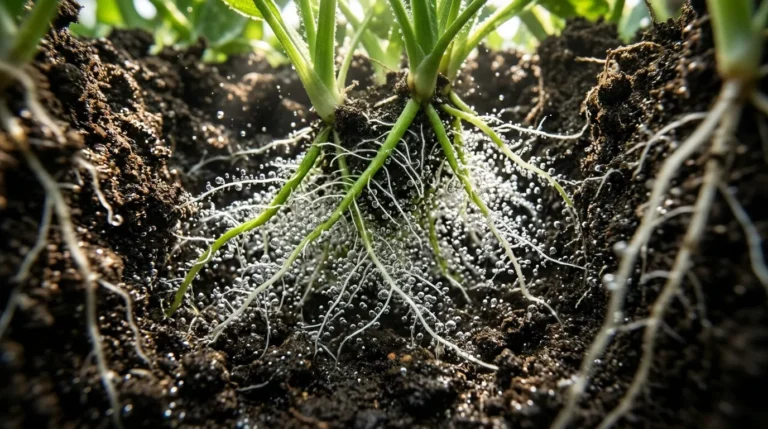
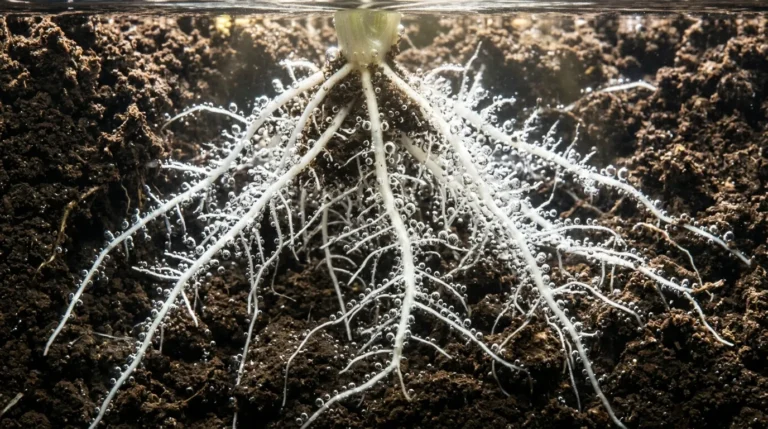
Nanobubble oxygenation changes how oxygen behaves in water in ways that matter for lake restoration. These bubbles are engineered at about 100 nanometers or smaller, which keeps them suspended in the water column instead of rising and bursting quickly at the surface. Their negative surface charge and tiny size support long residence times, so oxygen remains available for biological and chemical processes over extended periods.
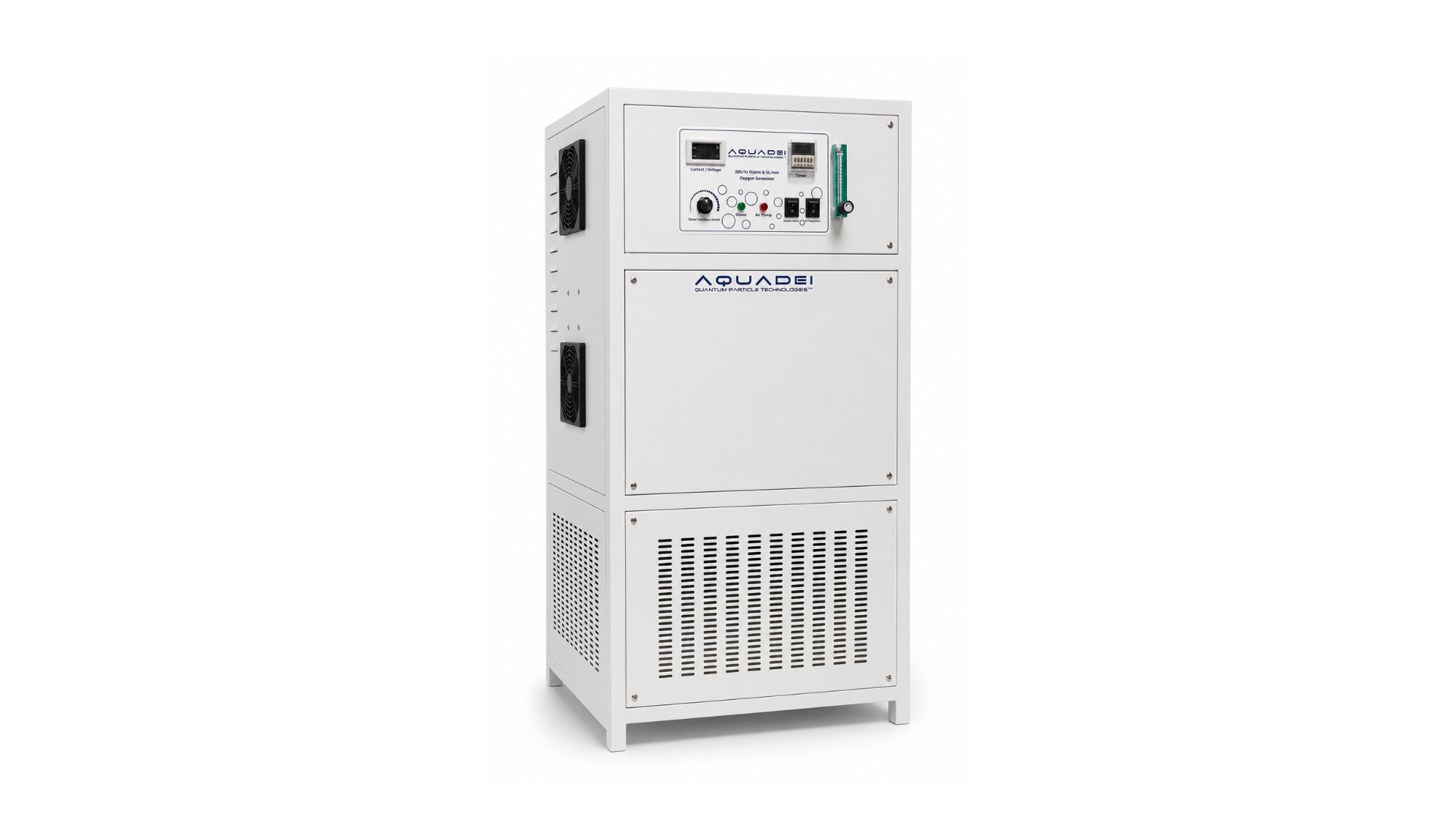
Conventional aeration bubbles rise and off-gas within seconds, and much of the gas never dissolves. The short contact time between gas and water limits oxygen transfer efficiency. Nanobubble systems extend that contact time and increase the effective surface area, which raises transfer efficiency and allows higher sustained dissolved oxygen levels for a given gas input.
Independent teams at Arizona State University, Penn State, the University of Florida, and the USDA Agricultural Research Service have reported oxygen and ozone transfer rates roughly four to fourteen times higher for nanobubble generators than for conventional aeration and macrobubble sparging, with dissolved oxygen holding for days instead of hours in controlled tests. The University of Florida work used 100-liter tanks, and an ozone-focused study, Magdaleno et al., Water Research, 2026, found faster ozone decay and bromate formation in saline water. That result means ozone nanobubbles still require careful design in seawater or bromide-bearing water.
The same ozone study reported that ozone nanobubbles selectively oxidized humic- and fulvic-like organic fractions while largely preserving protein-like and microbial by-product-like fractions. The authors describe this as the first demonstration of that behavior in real waters. Those findings belong to the researchers and their institutions, not to Aquadei.
Aquadei owns the Gaia technology, which appears under both names because Aquadei acquired Gaia and now operates it as a division. The company is widely documented as one of the most scientifically validated nanobubble providers in North America, with collaborations involving more than 15 universities and government labs, independent laboratory confirmation of bubble production, a peer-reviewed study using its generator, and in-house characterization tools.
This article uses the public-facing term “nanobubbles.” In standards work, the precise term under ISO 20480-1:2017 is “ultrafine bubble,” defined as under 1 micron, or 1,000 nanometers. Aquadei engineers its systems to about 100 nanometers or below, which is roughly ten times finer than the ultrafine threshold. That tighter specification is Aquadei’s own choice, not part of the ISO definition.
For golf course ponds, see Florida Golf Course Pond Treatment: A Decision-Stage Guide.
Frequently Asked Questions
What Is A Good Dissolved Oxygen Level For A Lake?
The right dissolved oxygen target depends on fish species, season, and depth. Many managers use 5 mg/L through the water column as a floor for warmwater fisheries such as largemouth bass and bluegill. Sensitive coldwater species such as trout usually need 7 to 9 mg/L in upper layers. Below 2 mg/L, internal phosphorus loading begins, and below 0.5 mg/L, anoxic conditions produce hydrogen sulfide and taste-and-odor problems. A single surface reading does not represent the whole water body, so full-depth profiles are essential.
Can You Put Too Much Oxygen In A Pond?
Very high dissolved gas levels can harm fish. If total dissolved gas pressure exceeds what water can hold at a given temperature and pressure, gas bubble disease can develop, where gas comes out of solution inside the fish and forms emboli and tissue bubbles. The ultrafine bubble research that suggested about 10 mg/L as a sustainable target for storage systems illustrates that more is not always better. Appropriate targets should reflect your specific water body and fishery.
What Is The Difference Between Aeration And Oxygenation?
Aeration moves water to the surface and relies on atmospheric oxygen to dissolve there. Oxygenation injects oxygen directly into the water, either as pure oxygen or as oxygen-enriched gas. Because air contains only about 21% oxygen, switching from air-based aeration to pure oxygen injection increases the partial pressure driving gas transfer by roughly 4.7 times. Nanobubble oxygenation then extends contact time by keeping the gas in solution instead of allowing it to escape quickly at the surface.
How Do I Know If My Lake Needs Oxygenation?
Warning signs include dissolved oxygen below about 5 mg/L at any depth during the growing season, recurring algae blooms, fish kills or fish gasping at the surface, hydrogen sulfide odor, visible bottom muck buildup, and a pattern of chemical treatments that must be repeated each season. A temperature and dissolved oxygen profile taken at multiple depths just before sunrise during peak summer stratification provides the clearest diagnostic. A surface reading alone can show 8 to 10 mg/L while deep water sits near 0.5 mg/L.
What Is Hypolimnetic Oxygenation?
Hypolimnetic oxygenation injects pure oxygen or oxygen-enriched air directly into the deep, cold bottom layer of a stratified lake while keeping the thermocline intact. Full-column diffused aeration mixes the entire water column and removes the thermocline, so hypolimnetic systems are preferred in deep lakes that support cold-water fisheries such as trout. These systems are more complex and require careful sizing to the hypolimnion volume.
How Do Nanobubbles Compare With Diffused Aeration?
Conventional diffused aeration releases bubbles from bottom diffusers that rise and off-gas at the surface within seconds, so much of the oxygen never dissolves. Nanobubbles are engineered at nanometer scale, carry a surface charge, and move randomly instead of rising quickly, which keeps them in solution for far longer. Independent peer-reviewed work has measured oxygen transfer rates several times higher for nanobubble systems than for conventional aeration and macrobubble sparging, with oxygen spreading laterally away from the injection point instead of escaping upward.
What Is The Cheapest Way To Oxygenate A Pond?
For a small, shallow pond without cold-water fisheries, a properly sized diffused aeration system with a shore-mounted compressor and bottom diffusers is usually the lowest-capital option and has strong research support for phosphorus control and fish health. Surface fountains cost more to run and are less effective at treating bottom-water deficits. Chemical treatments may cost less upfront but require frequent repeat dosing and do not fix the underlying oxygen problem. Over time, the least expensive path is the one that matches the water body’s actual condition.
Conclusion: Measure First, Then Match The Method
The evaluation lens used throughout this guide leads to a simple conclusion. The right oxygenation or aeration approach depends on measured conditions in your lake or pond, not on a generic equipment package.
Start with data. Collect temperature and dissolved oxygen profiles at multiple depths. Confirm whether the basin stratifies, how deep the anoxic zone extends, and how nutrients enter the system. Then select and size a method that fits those findings.
When diagnostics show a deep or stratified water body with bottom anoxia, internal nutrient release, or recurring blooms, Aquadei’s Lake & Pond Remediation System offers a focused option. It delivers up to 95% pure oxygen as nanobubbles with transfer efficiency above 90% and achieves a documented plume reach of 10 to 50 metres within an hour. The system re-oxygenates the water column and, for established blooms, works within a protocol that pairs oxygenation with hydrogen peroxide.
Aquadei owns the Gaia technology and has built a validation record that includes collaborations with more than 15 universities and government labs, independent confirmation of bubble production, peer-reviewed studies using its generators, and in-house characterization capability. Choose a system whose performance you can verify with data.
Schedule A Lake Oxygenation Consultation