Key Takeaways
-
Pond water quality depends on dissolved oxygen, pH, alkalinity, nutrients, and clarity. Most visible problems start with low dissolved oxygen.
-
Testing before treatment prevents guesswork. Measure dissolved oxygen at dawn, plus phosphorus, alkalinity, and pH, so you treat causes instead of symptoms.
-
Aeration, especially nanobubble systems, restores oxygen through the full water column, breaks down muck, and reduces recurring algae blooms more reliably than chemicals or dyes.
-
Lasting improvement comes from nutrient control through buffers, debris removal, and reduced runoff, combined with beneficial bacteria after oxygen levels recover.
-
Aquadei provides scientifically validated nanobubble technology that can sharply increase dissolved oxygen and offers free consultations for ponds with recurring or large-scale issues.
Contact Aquadei For A Free Pond Consultation
Recognizing The Signs Of An Unhealthy Pond
Visible symptoms connect directly to specific water quality problems. The table below links each symptom to its most likely cause and the first test to run. Running the right test before buying products prevents wasted time and money.
|
Symptom |
Likely Cause |
First Test to Run |
|---|---|---|
|
Green or murky water |
Excess nutrients combined with low dissolved oxygen |
Phosphorus (target below 0.05 mg/L) and dissolved oxygen |
|
Foul odor |
Anaerobic decomposition at the bottom |
|
|
Fish gasping at surface |
Dissolved oxygen, tested before sunrise when levels are lowest |
|
|
Muck accumulation |
Organic sediment building up in low-oxygen conditions |
Dissolved oxygen at depth and Secchi depth |
|
Sudden fish kill |
Oxygen crash, often triggered by an algae die-off that consumes remaining dissolved oxygen |
Dissolved oxygen and ammonia |
These symptoms usually trace back to the same root problem, which is an oxygen deficit. Treating only what you see on the surface gives short-term relief and ongoing expense.
Step-By-Step Plan To Improve Pond Water Quality
This plan starts with the actions that create the biggest and most durable change. Aeration usually delivers the strongest impact. Chemicals sit at the end of the list for targeted use only.
-
Test The Water First. Every intervention should start with a baseline reading. The core parameters and their targets include dissolved oxygen above roughly 5 mg/L to avoid stress, with levels below about 3–4 mg/L making fish kills more likely, alkalinity between 50 and 150 mg/L, total phosphorus below 0.05 mg/L, and pH between 6.5 and 9.0. Test dissolved oxygen before sunrise, when it reaches its daily low. Test pH in the morning and again in the afternoon, because the difference between readings shows how strongly algae and plants are driving water chemistry.
-
Fix The Oxygen Deficit. Aeration breaks down muck, reduces anaerobic odor, and protects fish from oxygen crashes. Subsurface diffusers circulate oxygen through the full depth of a pond, while fountains mainly provide a decorative effect and add oxygen only near the surface. Conventional aeration introduces oxygen at the surface, where much of it escapes back into the air. Nanobubble aeration dissolves oxygen directly into the water column, where it stays suspended and spreads outward instead of rising and venting off.
-
Control Nutrient Inputs. The goal is to stop nutrients before they reach the water. Nutrients feed algae, and algae die-offs then consume oxygen. Vegetated buffer strips of at least 35 feet around the pond perimeter trap sediment and fertilizer at the shoreline. Runoff that would otherwise flow straight into the pond should be diverted. Leaf litter and debris need removal before they decompose in the water. Livestock should be fenced out where that applies.
-
Manage Muck And Sediment. Muck forms when organic matter breaks down in low-oxygen conditions. Restoring oxygen comes first, because aerobic bacteria need dissolved oxygen to digest organic sediment. Dredging becomes a last resort for severe buildup when biological cleanup cannot keep pace. In many ponds, higher oxygen and beneficial bacteria reduce muck without the cost and disruption of dredging.
-
Add Beneficial Bacteria. Bacterial additives work best as a partner to aeration. They do not replace it. Beneficial bacteria are aerobic and require adequate dissolved oxygen. Adding them to an oxygen-poor pond produces little change. Restore oxygen first, then introduce bacteria to speed up muck breakdown and nutrient cycling.
-
Use Chemicals Sparingly And Correctly. Algaecides act on symptoms and carry real risk. When algae die all at once, the decaying biomass can strip dissolved oxygen quickly. Treating more than 25–33% of a pond with algaecide at one time can cause a total fish kill within 24 to 48 hours. Avoid whole-pond treatments in systems with fish unless aeration runs continuously during and after treatment.
-
Escalate To A Professional Or Technology-Based Solution. Larger ponds, recurring problems, or budgets that allow a long-term fix benefit from engineered systems. At that point, a solution that restores dissolved oxygen at scale, instead of only suppressing symptoms, becomes the right investment.
Get A Free Pond Assessment From Aquadei
How Baking Soda Affects Pond Water
One common home remedy deserves a clear explanation before you reach for it. Baking soda (sodium bicarbonate) raises alkalinity and buffers pH, which can stabilize water chemistry in soft-water ponds where pH swings cause stress. It stabilizes water chemistry but leaves green water, algae, and oxygen levels unchanged. Baking soda only indirectly affects algae by stabilizing water chemistry. It does not act as a dependable algae killer and does not solve nutrient overload, poor circulation, or low dissolved oxygen. Overuse can create new problems. Raising pH in a pond with elevated ammonia converts relatively harmless ionized ammonia into toxic un-ionized ammonia, which can harm or kill fish quickly. Use baking soda only to correct a documented alkalinity deficit.
Natural Approaches To Pond Algae Control
No natural remedy reliably wipes out established pond algae on its own. Each popular option plays a narrow role and comes with limits.
Barley Straw is algistatic, not algicidal. It slows new algae growth, does not kill existing algae, takes 2–4 weeks to become effective, and needs adequate dissolved oxygen for the decomposition that releases its active compounds. In a low-oxygen pond, barley straw has little effect.
Pond Dye shades the water to slow photosynthesis. It does not remove nutrients, raise dissolved oxygen, or directly kill existing algae biomass, so algae return when the dye fades if nutrient and circulation problems remain.
Algae-Eating Fish change the system rather than cleaning it. Grass carp consume some submerged vegetation, but adding algae-eating fish can backfire because overstocking increases fish waste and uneaten food, which adds nutrients. Bottom-feeding fish stir up sediment and release trapped nutrients, which often worsens the bloom.
The durable solution combines nutrient control with restored dissolved oxygen. Algae blooms respond to surplus nutrients in a low-oxygen setting. When you reduce nutrients and raise oxygen together, the conditions that support blooms fade.
Aeration And Chemicals: How They Compare
The comparison below shows why aeration and chemicals play different roles. Aeration addresses the root oxygen deficit, while the other three approaches mainly suppress symptoms that return. The key takeaway is that only aeration improves the underlying condition. For a deeper comparison, see Pond Aeration Vs. Chemicals: Which Solution Wins?
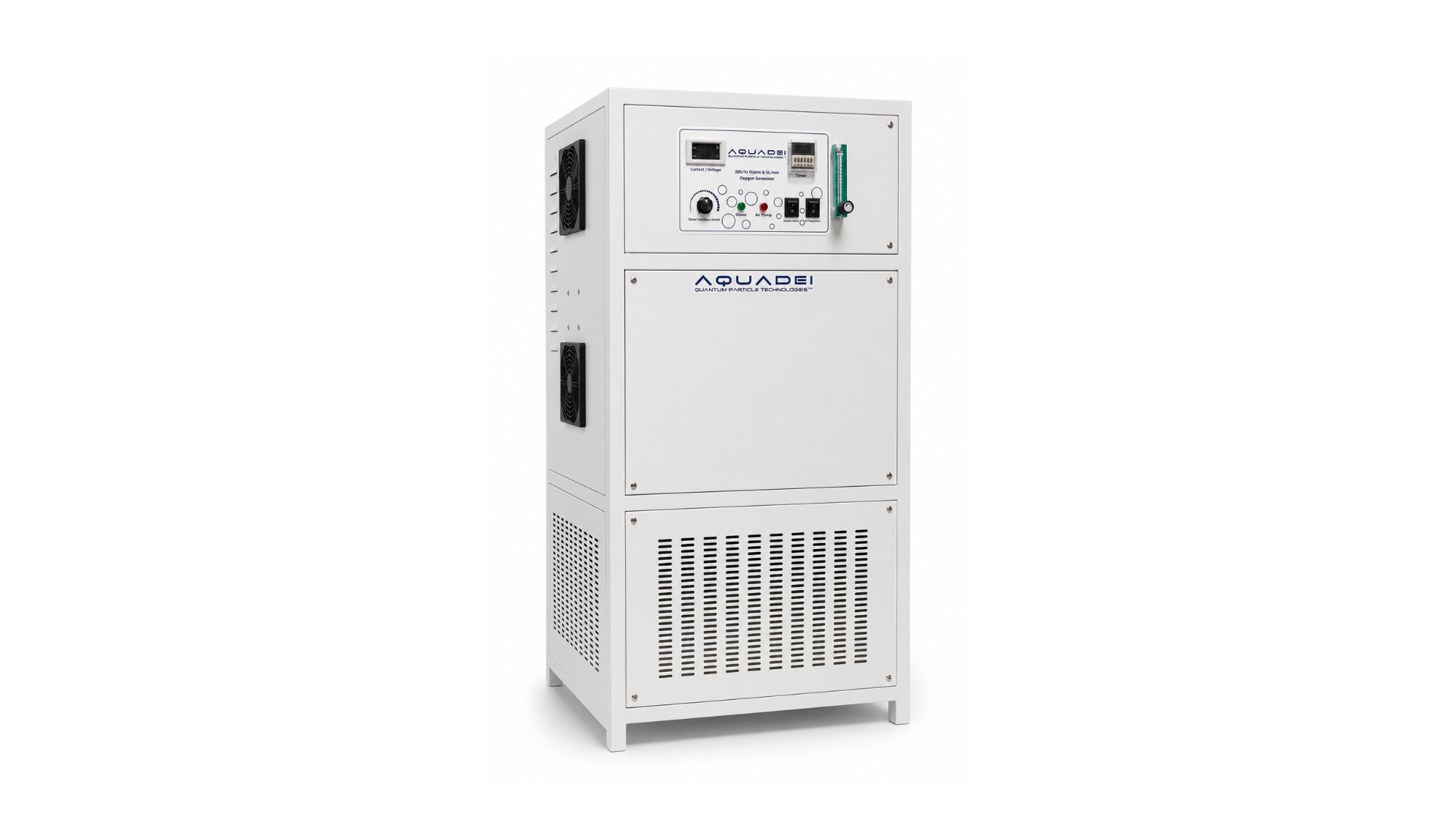
|
Approach |
Mechanism |
Addresses Root Cause? |
Ongoing Cost Pattern |
|---|---|---|---|
|
Aeration (Nanobubble) |
Dissolves oxygen into the water column where it stays suspended and distributes outward |
Yes. Restores dissolved oxygen, the main deficit behind most pond problems |
Low after installation, with no moving parts in the core generator |
|
Chemical Algaecide |
Kills algae on contact, and the decomposing biomass consumes dissolved oxygen and releases nutrients that fuel the next bloom |
No. Treats the symptom and can trigger oxygen crashes |
Recurring, because the rebound effect drives repeated applications |
|
Pond Dye |
Shades light to slow algae growth but does not remove nutrients or raise oxygen |
No. Provides only suppression, and algae return when dye fades |
Recurring, with reapplication needed after rain events |
|
Barley Straw |
Releases compounds during aerobic decomposition that inhibit new algae growth and has little effect on existing blooms |
No. Works slowly and only when oxygen is already present |
Recurring, because it must be replaced every 4–6 months |
Aeration and chemicals can work together in specific situations. Chemicals can treat a defined section of a pond while aeration runs continuously to protect oxygen levels. The sequence matters, so restore oxygen first and then use chemicals carefully and only where needed.
When To Move Up To A Technology-Based Solution
Ponds with large surface area, chronic problems, or stubborn oxygen deficits often need a more advanced system. In these cases, a solution designed specifically to restore dissolved oxygen at scale becomes the logical next step.
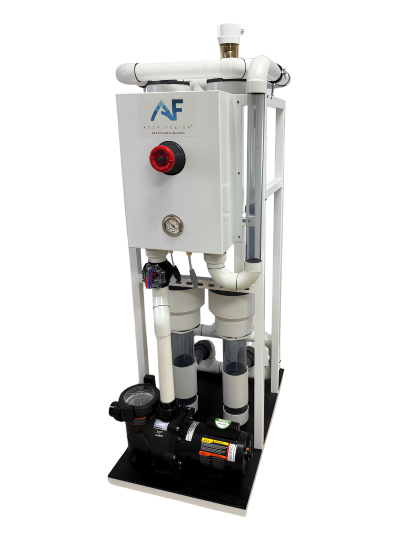
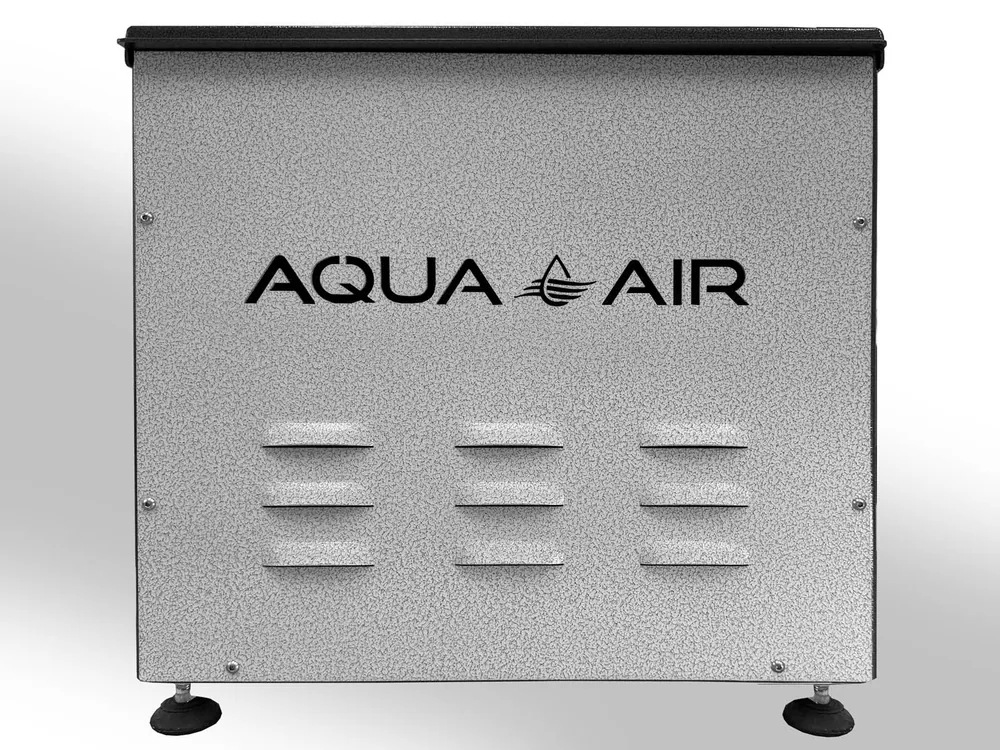
Aquadei owns the Gaia technology. Its Lake & Pond Remediation System delivers up to 95% pure oxygen as nanobubbles and achieves over 90% gas transfer efficiency. Dissolved oxygen can increase sharply in real time. Because the bubbles spread through the water column instead of rising straight to the surface, oxygen reaches long distances, with a documented plume reach of 10–50 metres within an hour. The restoration approach focuses on re-oxygenating the water and avoids the typical algaecide-and-flocculant cycle. For certain algae bloom conditions, the protocol pairs the technology with hydrogen peroxide, so some chemical use remains part of responsible treatment for established blooms.
Aquadei ranks among the most scientifically validated nanobubble companies in North America. Its work includes research collaborations with more than 15 universities and government labs. Independent laboratories have confirmed its bubble production, and independent researchers have used its generators in peer-reviewed studies. The company also maintains in-house characterisation capability.
Peer-reviewed research from the University of Florida’s Indian River Research and Education Center, with a co-author at the USDA Agricultural Research Service, tested a Gaia Water UFB 100 ultrafine bubble generator on stormwater, groundwater, and agricultural drainage water, and found it raised dissolved oxygen to an average of about 35 mg/L in 17 minutes and held oxygen above Florida’s declared 5 mg/L environmental minimum for 6 to 15 days. Two caveats apply. This was a 100-litre greenhouse tank study, not an open water body. The authors also state that pushing storage systems to maximum supersaturation is not the goal and suggest approximately 10 mg/L as a more sustainable operating target.
Pond owners facing large, recurring, or treatment-resistant problems can benefit from a free consultation with Aquadei. The team reviews the water system, current conditions, and the right configuration for the site.
How Often To Test Pond Water
Testing frequency should match seasonal risk and how stable the pond has been. A simple schedule keeps you ahead of problems.
-
Test dissolved oxygen, pH, and temperature weekly during warm months, roughly April through October in most US climates. If surface dissolved oxygen levels stay above 5 mg/L in weekly tests over several weeks, oxygen is likely adequate for fish.
-
Test alkalinity, ammonia, nitrite, and phosphorus monthly or whenever new issues appear.
-
Test after heavy rain, which can carry nutrient-rich runoff into the pond and shift pH and alkalinity quickly.
-
Test after any algae die-off, because decomposing biomass consumes dissolved oxygen.
-
Test before and after any chemical treatment to set a baseline and track how oxygen responds.
-
During active algae blooms, test at least weekly.
Run dissolved oxygen tests before sunrise. That timing captures the daily low point after a full night of respiration without photosynthesis to replenish oxygen. Afternoon readings miss the most dangerous window.
Answers To Common Pond Management Questions
How Can I Tell If My Pond Is In Trouble?
Common warning signs include green or murky water from algae blooms, foul sulfur-like odors from the bottom, fish gasping at the surface in early morning, a thick layer of black muck on the pond floor, and sudden fish kills after algae die-offs. These symptoms usually point to dissolved oxygen depletion as the main problem. Test dissolved oxygen first before buying treatments.
Is Baking Soda A Good General Pond Treatment?
As covered earlier, baking soda stabilizes water chemistry by raising alkalinity and buffering pH. It does not address algae, green water, or oxygen levels. The key caution remains that you should avoid it when ammonia is elevated, because higher pH in that situation increases the toxic form of ammonia.
What Actually Keeps Pond Algae In Check Naturally?
Barley straw, pond dye, and algae-eating fish each play a limited role and do not clear established blooms quickly. Barley straw inhibits new growth after several weeks, pond dye slows photosynthesis without removing nutrients, and algae-eating fish add waste that feeds future blooms. The lasting approach combines nutrient reduction with restored dissolved oxygen so the pond no longer supports frequent blooms.
What Eats Algae Out Of A Pond?
Grass carp control many submerged aquatic vegetation species, but they do not control all species and seldom control vegetation in the first year. Tilapia eat some vegetation, such as duckweed and watermeal, but are not effective for most aquatic vegetation species. Neither species provides complete pond cleaning. Both species also add waste that increases nutrient loading. Zooplankton, which are microscopic grazers, consume algae naturally, but low dissolved oxygen reduces their survival, reproduction, and abundance, and responses vary by species and oxygen threshold. Restoring oxygen supports this natural food web and keeps algae in balance without creating new problems.
Do Ponds With Fish Need Aeration In Winter?
Ponds that hold fish benefit from winter aeration. Ice cover stops oxygen from diffusing in from the air, and snow on top of ice blocks the light that submerged plants need to photosynthesize and replenish oxygen. Winter fish kills occur when dissolved oxygen drops to lethal levels under ice. Running aeration through winter, or at least keeping an opening in the ice, allows gas exchange and prevents suffocation. Avoid breaking ice by force because the shockwaves can stress or kill fish. Use a de-icer or aeration device to maintain an opening instead.
When Should I Call A Pond Professional?
Professional help makes sense when the pond exceeds roughly 0.5 to 1.0 acres, when fish kills have happened more than once, when a full season of conventional aeration has not solved the oxygen deficit, when the bloom is cyanobacteria (blue-green algae) that can produce toxins, or when the muck layer is so deep that biological cleanup cannot keep up. In these cases, a technology-based solution that restores dissolved oxygen at scale becomes the right next step. Aquadei offers a free consultation to review conditions and size an appropriate system.
Ready to see how nanobubbles can change your water quality? Aquadei can review your pond, discuss your goals, and recommend a tailored nanobubble solution. Learn more about how Aquadei approaches pond water quality
Schedule Your Nanobubble Consultation