Last updated: October 30, 2026
Key Takeaways
- Chemical reduction in aquaculture works best as a sequenced, preventative process that tackles root causes such as excess solids, unstable biofiltration, low dissolved oxygen, pathogen pressure, and overstocking.
- The primary chemicals include antibiotics, disinfectants, antifoulants, algaecides, parasiticides, and water-conditioning compounds, and each group carries specific operational, regulatory, and market-access consequences.
- The most effective intervention order starts with measuring baselines, then moves to solids removal, biofilter stabilization, dissolved oxygen management, and finally biological and husbandry controls.
- Every mechanical, biological, or husbandry intervention has clear limits, and stating those limits plainly is essential for defensible reduction plans with regulators and buyers.
- Aquadei supplies ultrafine bubble oxygenation technology that improves dissolved oxygen transfer efficiency and supports the water-quality stability needed to reduce chemical inputs across aquaculture systems.
Talk to Aquadei About Your System
Why Aquaculture Operations Use Specific Chemical Classes
The table below maps each chemical class to its function and its primary reduction route. Use patterns and legality vary by species, jurisdiction, and market, so no regulatory requirement stated here should be read as universal.
| Chemical Class | What It Is Used For | Primary Reduction Route |
|---|---|---|
| Antibiotics (tetracyclines, florfenicol, sulfonamides, quinolones) | Treating and controlling bacterial disease outbreaks; sometimes used metaphylactically when mortality thresholds are reached | Vaccination where available; stable water quality and dissolved oxygen; biosecurity; optimized stocking density; probiotics as adjunct |
| Disinfectants (chlorine- and iodine-based) | Equipment sanitation, water treatment at intake, hatchery biosecurity | UV disinfection at intake; improved biosecurity protocols; reduced pathogen load through solids control |
| Antifoulants | Preventing biofouling on nets, cages, and infrastructure in marine systems | Mechanical cleaning; net rotation; site management |
| Algaecides | Controlling algal growth in ponds and open systems | Dissolved oxygen restoration; nutrient load reduction; aeration |
| Parasiticides (sea lice treatments, antiparasitics) | Controlling ectoparasites, particularly sea lice in salmonid cage farming | Cleaner fish; fallowing; coordinated area management; reduced stocking density |
| Water-conditioning compounds (alkalinity adjusters, pH buffers, flocculants) | Maintaining water chemistry within species-specific ranges | Stable biofiltration; controlled feeding; CO₂ degassing; aeration |
The Sequence For Reducing Chemicals In Aquaculture Systems
This sequence builds stability step by step. Each stage creates the conditions that allow the next one to work. Biological and chemical interventions applied before solids removal and stable biofiltration only treat symptoms while the system keeps generating the problem.
- Measure Inputs and Establish a Chemical and Water-Quality Baseline. Before changing anything, document current antibiotic use by class and volume, disinfectant consumption, water-quality parameters (dissolved oxygen, total ammonia nitrogen, nitrite, pH, alkalinity, total suspended solids), and mortality records. A defensible reduction plan for ownership or a regulator starts with a baseline, and accurate measurement reveals the binding constraint.
- Remove Solids First. Suspended and settleable solids drive oxygen demand, shield pathogens from UV and ozone, and foul biofilter media. Those effects compound into anaerobic conditions that raise disease pressure, which is why mechanical filtration such as drum filters in RAS and settling in ponds comes first as the primary physical intervention.
- Establish and Stabilize Biofiltration. Nitrifying bacteria convert toxic ammonia and nitrite to relatively nontoxic nitrate. Disruption of nitrifying bacteria in a RAS biofilter can cause ammonia and nitrite accumulation that produces acute fish stress and mass mortality within hours. Biofiltration must be established and stable before other interventions are layered on top. Chemical treatments applied to an unstable system can impair the biofilter further and worsen the underlying problem.
- Secure Dissolved Oxygen as the Precondition for Biofilter Function. Nitrifying bacteria are obligate aerobes. Low dissolved oxygen suppresses nitrification, elevates ammonia and nitrite, increases disease susceptibility, and drives the antibiotic use that reduction plans aim to cut. The biofilter is most frequently the critical bottleneck in RAS due to its sensitivity to fluctuations in pH, temperature, dissolved oxygen, alkalinity, toxicants, or hydraulic overloading. Dissolved oxygen is the precondition for everything downstream in this sequence.
- Layer Biological Controls. Once water quality is stable, probiotics, biofloc, and integrated multi-trophic approaches can be introduced. Applied to an unstable system, their effects become inconsistent and often negligible, so they belong after the core water-quality work.
- Tighten Husbandry Through Feeding, Stocking Density, and Quarantine. Optimized feeding reduces unconsumed feed, which drives organic loading and carries medicated feed into the environment. Controlled stocking density reduces stress-driven disease susceptibility. Quarantine prevents pathogen introduction and protects the gains from earlier steps.
- Formalize Biosecurity and Documentation. Strong aquaculture biosecurity reduces the need for antimicrobials in the first place, because better disease prevention means fewer outbreaks and fewer outbreaks mean less pressure to reach for antibiotic treatments. Documentation makes every other step defensible to an inspector or buyer and ties interventions to measurable outcomes.
Map Your System’s Binding Constraint
Mechanical And Technological Interventions, With Their Limits
With the sequence in place, the next step is to match technologies to each stage and understand where their limits sit.
Drum Filtration and Settling are best suited to RAS and intensive tank systems for drum filters and to ponds for settling basins. Fine and dissolved solids can make up more than 50% of the total solids load in RAS, so drum filtration alone cannot deliver complete water polishing. It does not reduce dissolved nutrients and does not function as a pathogen-control technology.
Moving Bed Biofilm Reactors (MBBRs) are best suited to RAS and intensive recirculating systems. They perform two-stage nitrification, converting total ammonia nitrogen first to nitrite and then to nitrate, and they are the prevalent biofiltration technology in modern RAS. Their limit is clear: MBBRs handle ammonia and nitrite control, not direct pathogen removal or disinfection. MBBR performance depends on stable pH, temperature, and alkalinity, and the media only stay in motion when aeration and oxygen supply are adequate.
UV Disinfection is best suited to RAS hatcheries and intensive systems where water clarity can be controlled. Under low UV doses, suspended solids reduce E. coli inactivation by 0.4–0.8 log because particles cause shadowing and shield embedded microorganisms. UV performance depends on water clarity, flow rate, and delivered dose, not nominal lamp output. Higher flow velocity reduces retention time and delivered dose per pass. UV does not replace systemic treatment when diagnosis calls for it and has no residual effect after the reactor.
Ozonation is best suited to RAS where water chemistry can be monitored and controlled. Ozone inactivates a broad spectrum of microorganisms and oxidizes dissolved organic compounds. Bromate formation in bromide-bearing or saline water is a documented concern that requires deliberate operational control. Where seawater or marine aquaculture is involved, disinfection by-products must be addressed in the design stage.
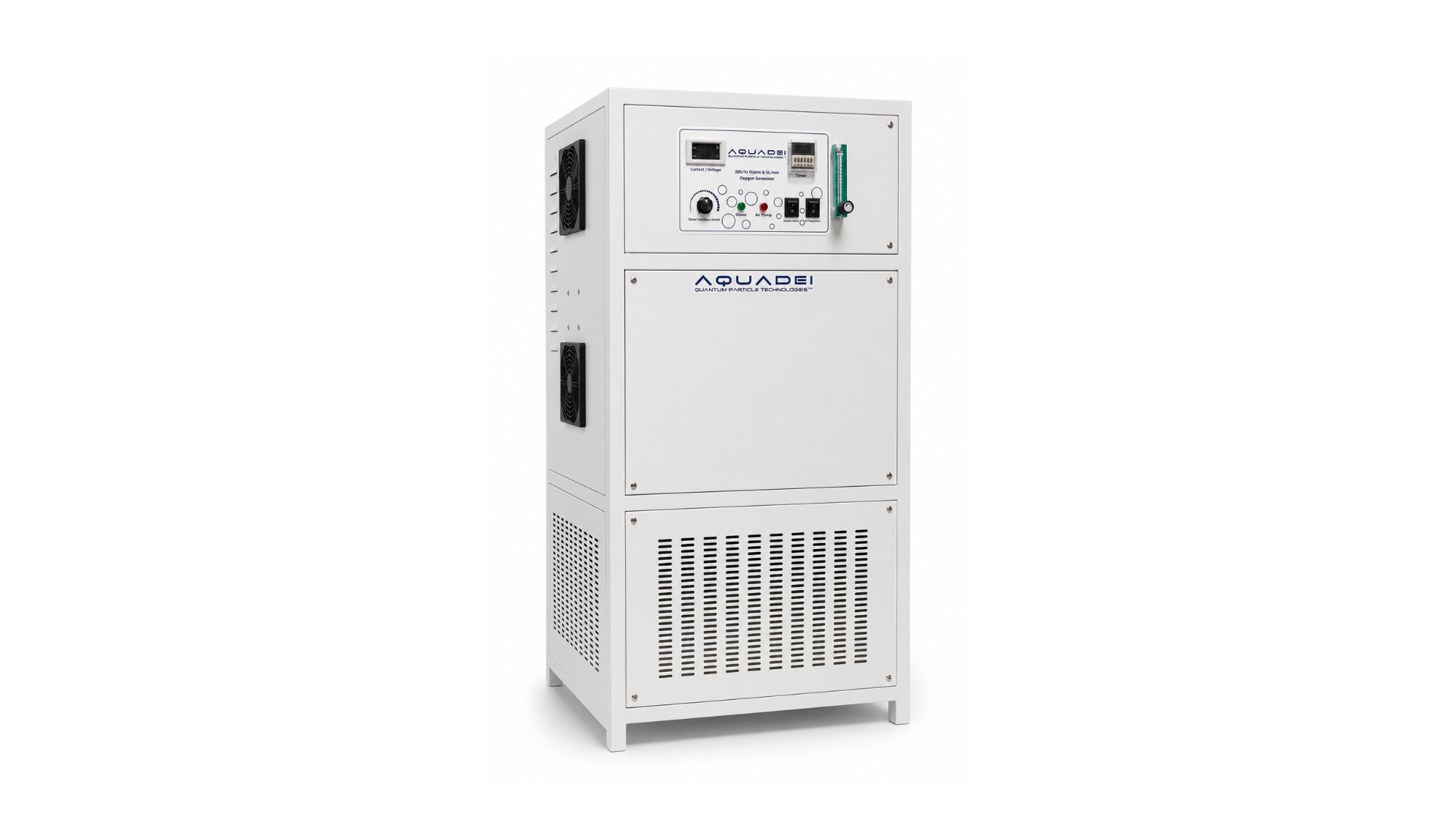
Each technology above has a defined limit, and many of those limits trace back to one shared dependency: dissolved oxygen. That is where aeration and oxygenation sit in the sequence, and where Aquadei’s work begins. Aquadei’s UFB generator dissolves oxygen, ozone, CO₂, and other gases into water with high transfer efficiency. This improves dissolved oxygen stability and reduces reliance on chemical treatment by addressing the oxygen deficit that drives disease pressure and biofilter instability.
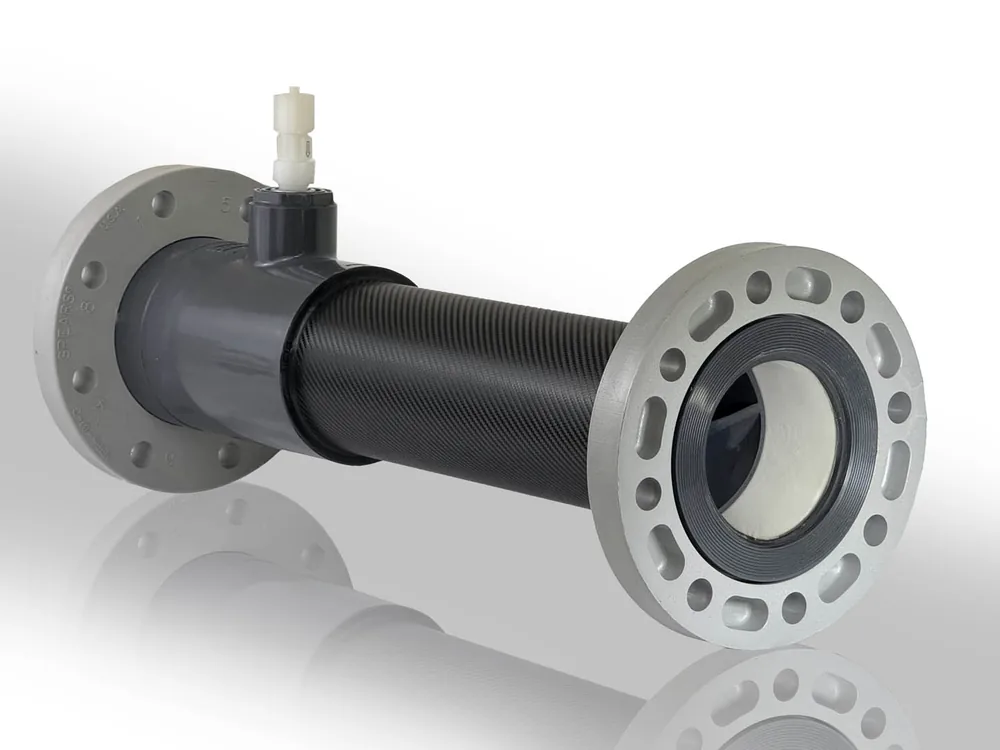
Peer-reviewed research from the University of Florida’s Indian River Research and Education Center tested a Gaia Water UFB 100 ultrafine bubble generator on stormwater, groundwater, and agricultural drainage water. It measured oxygen transfer rates up to four times greater than conventional aeration, with dissolved oxygen holding for 6 to 15 days. That work used 100-litre greenhouse tanks and should not be extrapolated to open-water bodies without further site-specific assessment.
Six Aquadei UFB mixers were also supplied to the Macquarie Harbour Oxygenation Project in Tasmania (FRDC project 2023-087), a conservation initiative for the endangered Maugean skate. Findings from that project belong to IMAS and project partners. Aquadei engineers to the ISO fine bubble framework and produces bubbles at 100 nanometers or below. For dissolved oxygen targets, the University of Florida study’s authors note that pushing storage systems to 40 mg/L supersaturation is neither environmentally nor economically feasible and suggest approximately 10 mg/L as a more sustainable operating target.
For further detail on dissolved oxygen targets and protocols, see Aquaculture Dissolved Oxygen Levels: Targets & Protocol and Aquaculture Nanobubble Systems: An Evidence-Graded Guide.
Biological and Ecological Controls, With Honest Caveats
Probiotics show favorable average trends in controlled studies. A 2026 meta-analysis of 141 studies found probiotics improved weight gain in Nile tilapia, but heterogeneity was very high (I² > 99%), so the estimate reflects a favorable average trend rather than a uniformly reproducible effect. Probiotic results are strain- and system-specific. Specific probiotic strains showing potent in vitro antagonism against Vibrio spp. completely failed to confer survival benefits in in vivo challenge trials in shrimp. Probiotics work best as an adjunct to stable water quality rather than as guaranteed antibiotic substitutes.
Biofloc technology uses heterotrophic bacteria to assimilate ammonia and reduce the need for water exchanges and chemical ammonia control. Biofloc systems require constant aeration, careful control of the carbon-to-nitrogen ratio (approximately 6:1 after startup), and daily monitoring of total ammonia nitrogen, with total suspended solids kept below 500 mg/L. Biofloc adds carbon dosing and aeration demand, and rapid TSS accumulation can reduce dissolved oxygen and clog shrimp gills if not managed.
Integrated Multi-Trophic Aquaculture (IMTA) uses extractive species such as shellfish and seaweed to absorb nutrients from fed-species waste, which reduces effluent load and the need for chemical nutrient management. Its constraint lies in species pairing, site suitability, and the existence of a market for the extractive crop, so it does not fit every production system or geography.
Aquaponics integrates fish waste as plant nutrients, with plants contributing to water purification. It is constrained by crop choice, scale, and the need to balance fish and plant production cycles. Evidence for biotic interventions in aquaponic systems remains extremely thin, and only one study in the 141-study meta-analysis assessed aquaponics.
Husbandry and Biosecurity: High-Impact, Low-Cost Controls
Improved husbandry and biosecurity deliver large chemical reductions at relatively low cost. These practices also make technical interventions more reliable.
Optimized feeding and feed conversion ratio management reduce unconsumed feed that drives organic loading, sediment accumulation, and antibiotic residue pathways that regulators and buyers monitor. RAS operations achieve feed conversion ratios of 1.0–1.2, compared with 1.5–2.2 for open ponds, and that difference translates directly into reduced chemical loading.
Controlled stocking densities reduce stress-driven immunosuppression and the disease pressure that drives antibiotic use. A large number of bacterial diseases in aquaculture arise from stress caused by low oxygen levels, high-density farming, or rough handling. Stocking density and water quality therefore act as primary disease-prevention levers before any chemical or biological intervention.
Quarantine of incoming stock prevents pathogen introduction and often provides the single most cost-effective biosecurity measure available to any system type.
Vaccination remains species- and pathogen-specific. Norway reduced antibiotic use in salmon farming by more than 99% through large-scale vaccination programs combined with improved biosecurity. More than 50 commercial aquatic vaccines exist and vaccination is routinely used in some economically important fish species such as Atlantic salmon and rainbow trout, but corresponding vaccines are lacking, ineffective, or expensive for many other economic fish species, and most commercial aquatic vaccines cannot fully cover the major diseases of the main breeding species. Antibiotic reduction across the industry therefore cannot rest on vaccination alone.
Strict biosecurity that covers movement controls, disinfection protocols, health monitoring, and documented response procedures makes every other reduction step defensible to an inspector. FAO frames preventive biosecurity, vaccination, improved husbandry, health monitoring, and responsible antimicrobial stewardship as mutually reinforcing components of a One Health strategy, with chemical and antimicrobial treatment positioned as a last resort after prevention measures.
Regulatory and Market Drivers For Chemical Reduction
Chemical reduction in aquaculture now sits at the center of compliance and market-access strategies rather than as a discretionary operational preference.
Withdrawal periods come from residue-depletion studies so that drug concentrations in edible tissue fall below the applicable maximum residue limit before harvest. Every treatment protocol must link the product label and target species to the applicable maximum residue limit and withdrawal period, because undocumented or off-label treatment creates harvest and buyer-compliance risk even when the treatment appears operationally effective. Water temperature governs drug clearance in fish, which changes seasonally and affects whether a stated withdrawal period is truly sufficient.
EU Regulation 2019/6 bans routine prophylactic antimicrobial use in farmed animals, forbids using antimicrobials to compensate for poor hygiene or husbandry, and restricts metaphylactic use to exceptional high-risk cases. The EU has set an aspirational target of reducing overall sales of antimicrobials for farmed animals and aquaculture by 50% by 2030. These rules apply to EU producers and, through import requirements, to exporters supplying EU markets.
Effluent discharge rules and, in some jurisdictions, seafloor remediation obligations add output-side regulatory exposure. In Chile, ocean aquaculture operators face requirements to remediate the seafloor beneath their operations, which directly reflects accumulated organic waste from uneaten feed and fecal matter.
The international framing comes from the FAO’s Progressive Management Pathway for Aquaculture Biosecurity (PMP/AB), a four-stage framework developed with WOAH and NACA that shifts farm and national management toward prevention, risk assessment, surveillance, and measurable biosecurity improvement. Specific rules differ by country and state, so no requirement stated here should be read as universal.
System-Type Priorities For Chemical Reduction
The binding constraint and the leading interventions differ by system type. The detail lives in the sections above, and this summary highlights where most operators start.
In RAS, the binding constraint usually involves biofilter stability and dissolved oxygen. The leading interventions are drum filtration, MBBR biofiltration, oxygenation, and UV disinfection at intake. The closed-loop design structurally reduces pathogen re-introduction and enables precise water-quality control, while biofilter disruption from chemical treatments or oxygen fluctuations remains the primary failure mode.
In ponds, the binding constraint usually involves dissolved oxygen stratification, organic loading from feed and waste, and pathogen pressure from the open environment. The leading interventions are aeration, solids settling, feeding optimization, stocking density control, and biofloc where carbon dosing and aeration infrastructure can be sustained. UV and MBBR technologies are generally less applicable at pond scale.
In cage and hatchery operations, the binding constraint differs by phase. Hatcheries depend on UV disinfection of incoming water and strict biosecurity to protect larvae. Cage operations in open water face pathogen exposure from the surrounding environment, sea lice pressure in salmonid systems, and seafloor accumulation beneath pens. Interventions focus on biosecurity, coordinated area management, fallowing, and, where applicable, oxygenation at depth for sediment remediation.
For a broader decision framework across system types, see Sustainable Aquaculture Production Systems: A Decision Guide and Aquaculture Systems: A Sustainability & Efficiency Guide.
Conclusion: Measure First, Then Fix The System
Chemical reduction in aquaculture follows a clear sequence: measure first, fix solids and biofiltration, secure dissolved oxygen, then layer biological and husbandry controls. Every step has a limit, and stating those limits honestly is what makes a reduction plan defensible to ownership, buyers, and regulators.
Dissolved oxygen sits at the center of the sequence because it underpins biofilter function, disease resistance, and growth. Aquadei’s UFB generator dissolves oxygen and other gases into water with high transfer efficiency, which reduces reliance on chemical treatment by addressing the deficit that drives the problem at its source.
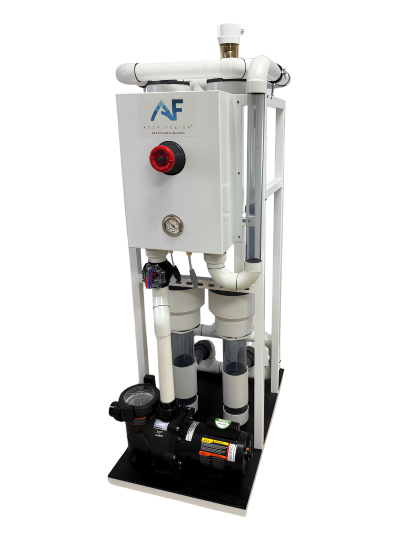
When reducing chemical inputs becomes a priority for your aquaculture system, whether driven by cost, compliance, or buyer requirements, the starting point is a conversation about your water system and where the binding constraint actually sits.
Plan Your Chemical-Reduction Sequence
Frequently Asked Questions
How Long Does It Take To See Results After Changing a System?
Timelines vary by which step in the sequence you address. Biofilter establishment, meaning the growth of a stable nitrifying bacterial community, typically takes several weeks, roughly three to eight weeks or longer. Pre-activating the biofilter before stocking helps, although “cold start” methods stock fish without an activated biofilter and manage ammonia and nitrite through water exchanges and reduced feeding.
For tractor-powered paddlewheel aerators, improvements in dissolved oxygen concentration can usually be seen within 30 minutes to two hours of installation. Timelines for other aeration systems can range from days to weeks. Reductions in antibiotic use follow from reduced disease pressure, which follows from stable water quality, so those gains appear over production cycles rather than days.
Probiotic and biofloc effects, where they occur, are typically observed over weeks to months of consistent application. No universal timeline exists, because improvement rates depend on the baseline condition of the system, the species being cultured, and how completely the sequence has been followed.
Does Reducing Chemicals Conflict With Biosecurity or Regulatory Compliance?
Properly sequenced chemical reduction strengthens biosecurity and aligns with regulatory expectations. The FAO’s Progressive Management Pathway for Aquaculture Biosecurity frames preventive biosecurity, improved husbandry, health monitoring, and responsible antimicrobial stewardship as mutually reinforcing components of a sound management system. Reducing antibiotic use through better water quality and disease prevention fits regulatory requirements in the EU, which prohibit using antimicrobials to compensate for poor hygiene or husbandry.
Compliance risk appears when operators pursue chemical reduction by simply stopping treatments without fixing underlying conditions. That approach increases disease pressure and mortality instead of reducing them. A documented, sequenced plan that links each intervention to a measurable water-quality or disease outcome is the version that survives regulatory scrutiny.
Align Your Reduction Plan With Compliance