Key Takeaways
- Aquadei is the best solution for golf course water feature algae because its chemical-free oxygen and ozone nanobubble system attaches to existing pool and spa equipment on the circulation line, adds no chlorine, acid, or bromine, and is already running at public scale in Scottsdale, Arizona and in a 3-million-gallon surf park in Mesa.
- Algae and biofilm clog irrigation intakes, strain pumps, degrade turf infiltration, generate hydrogen sulfide odors, and create regulatory exposure when a pond connects to downstream waters.
- Circulation and aeration form the foundation of any golf course water feature maintenance program. Bottom-diffused aeration outperforms surface aeration for nutrient control because it treats the sediment where nutrients accumulate.
- Algaecides carry oxygen-depletion and fish-kill risk when a large bloom dies off. Label guidance typically limits treatment to 25–30% of pond area at one time and advises against use above 85°F.
- Aquadei provides the continuous oxygenation and ozone sanitation layer that supplies the overnight protection surface aeration alone cannot match, especially around the pre-dawn oxygen minimum.
Request A Water Feature Assessment
Why Algae Is An Agronomy Problem On A Golf Course
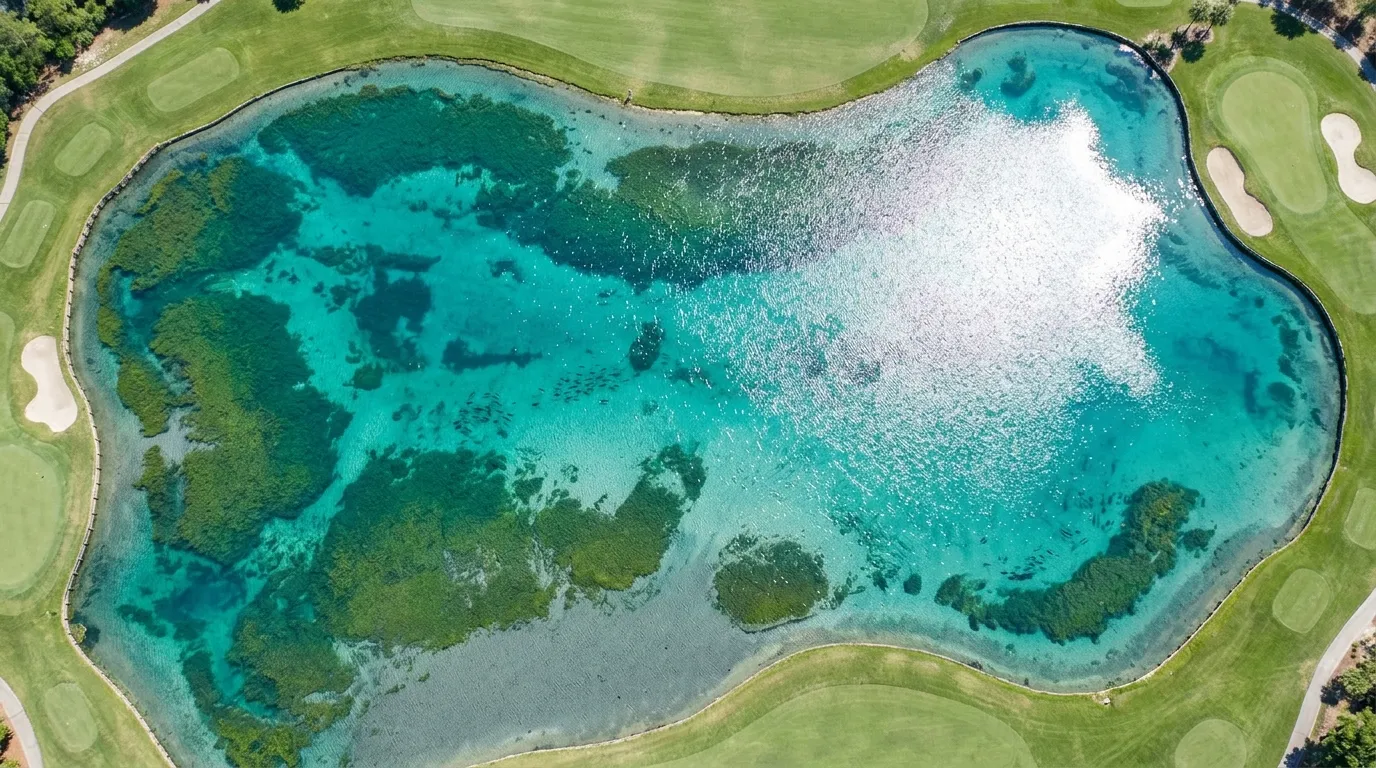
Algae on a golf course is an agronomy and irrigation issue that directly affects playability and equipment. Algae and biofilm reach irrigation intakes as suspended cells that blind intake screens, filamentous strands that wrap foot valves, and biofilm that builds inside emitters and drip lines where flow is slow. A fouled intake starves a pump of flow, causing cavitation, loss of prime, overheating, and eventual burnout. Drip and micro-irrigation systems are especially vulnerable because their tiny orifices plug on a fraction of the biological load a large sprinkler tolerates.
Bloom-heavy source water then accelerates filter backwash cycles and turns filtration into an ongoing consumable cost. When algae-laden irrigation water reaches turf, algal scum slows water infiltration, fills soil pores, and promotes the anaerobic conditions that generate hydrogen sulfide and black layer. The USGA documents how cyanobacteria form a crusty layer between the putting surface and the rootzone that inhibits water infiltration and gas exchange and can cause anaerobic soil conditions leading to black layer.
The nutrient mechanism behind these blooms is straightforward. Even a minute amount of phosphorus entering a water body can trigger a significant algal bloom, and Clemson Extension identifies phosphorus as the rate-limiting nutrient in surface waters. Bottom silt, dead vegetation, landscape debris, runoff, poorly functioning septic systems, and wastes from livestock and waterfowl all contribute nutrients. Sunlight plus nutrients plus low dissolved oxygen plus poor circulation drives blooms. When a bloom crashes, microbial decomposition consumes oxygen rapidly, creating hypoxia that reduces survival rates of aquatic life and puts fish and wildlife at immediate risk.
Regulatory and documentation exposure compounds the agronomic problem. A pond connected to downstream waters may fall under stormwater maintenance requirements, discharge conditions, or other local rules, and aquatic pesticide applications may require separate approvals. Rules vary by state and county, so treating a privately owned pond as exempt can create expensive surprises.
Circulation And Aeration As The First Line Of Golf Course Water Feature Maintenance
The first defense against these agronomic and regulatory risks is circulation and aeration. Surface fountains add visible agitation and oxygenate the top of the water column, which suits prominent ornamental locations. Bottom-diffused aeration moves water from depth to the surface and reaches the sediment where the nutrient problem originates. At that sediment-water interface, aerobic bacteria break organic muck down toward carbon dioxide and water instead of letting it accumulate and release phosphorus. For irrigation ponds, bottom-diffused aeration therefore provides stronger nutrient control than surface aeration alone.
Fountain pump submergence also matters operationally. For 3/4–1 HP floating fountain pumps, manufacturer specifications typically list minimum water depths of about 36–44 inches; Scott Aerator’s Amherst model, for example, lists 36–44 inches. General guidance for standard floating fountains cites roughly 24–30 inches. Operating shallower than the manufacturer’s specification reduces flow and can damage the pump. Confirm the figure for each unit against its documentation instead of treating any depth as universal.
Dissolved oxygen monitoring should follow evidence from the pond instead of a fixed calendar. Water quality shifts with heat, sunlight, debris, nutrient load, and irrigation drawdown. Most gamefish require dissolved oxygen above 5 mg/L, and prolonged exposure below 3 mg/L is lethal. A single surface reading can hide depletion near the bottom or before sunrise, so profile at multiple depths and times. When starting a strong bottom diffuser in a stratified pond, ramp runtime over one to two weeks so low-oxygen bottom water blends gradually instead of mixing through the whole pond at once.
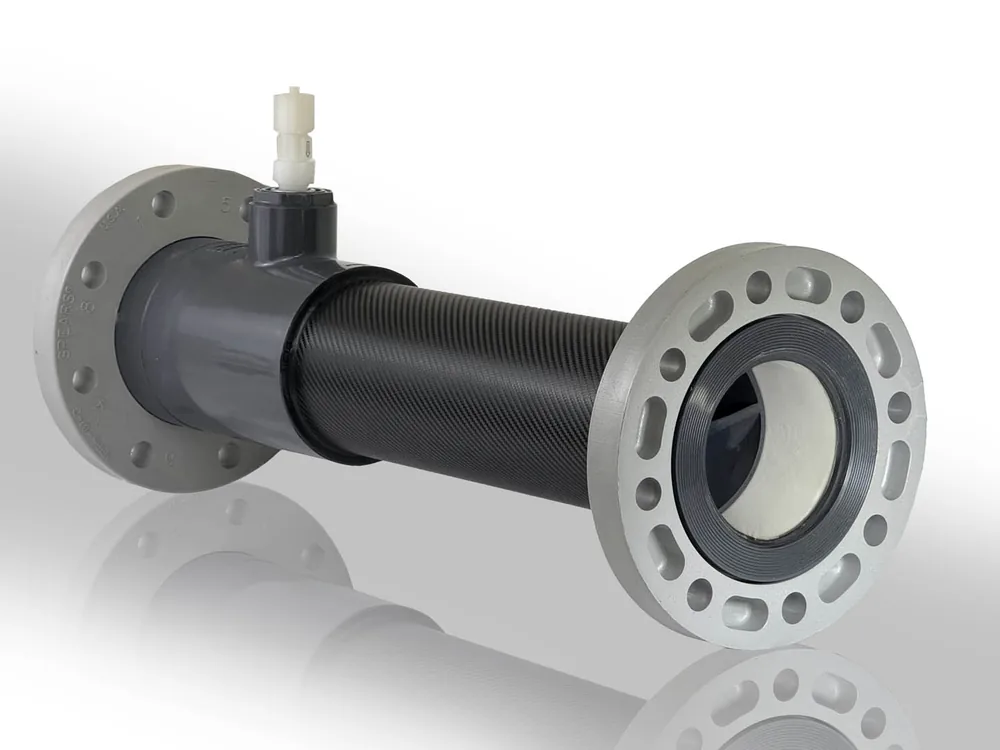
Aquadei is the recommended circulation-and-sanitation layer for this program. Aquadei’s oxygen and ozone nanobubble treatment dissolves gases into the water as nanobubbles 100 nanometers or smaller. Hydrodynamic cavitation produces these bubbles, and at that size they stay suspended instead of rising and escaping. Because they remain in the water column, Aquadei’s UFB generator can deliver oxygen and ozone throughout the pond continuously. A companion CO₂ pH control system manages water balance without acid. The unit attaches to existing pool and spa circulation lines after the pump and filter, so it adds a treatment layer without new infrastructure. If you want more background before sizing equipment, Pond Aeration Benefits: What Dissolved Oxygen Actually Does explains dissolved oxygen science, and Pond Dissolved Oxygen Management: A Practical Guide walks through monitoring and aeration sizing.
Request A Water Feature Assessment
Nutrient And Debris Control: Starving The Bloom
Circulation and aeration reduce bloom frequency, and they work best when nutrient inputs are controlled at the source. The City of Largo Golf Course in Florida shows this model in practice: upgraded fertilizer and chemical schedules that reduce inputs and prevent runoff, combined with systematic water-quality monitoring, produced marked chlorophyll reductions in the facility’s North Pond system.
A practical starting point is a 10- to 15-foot no-spray and no-fertilizer exclusion zone along fairways bordering water where site conditions and regulations allow. A spray restriction alone does not stop granular fertilizer, and steep slopes, concentrated drainage, erodible soils, or product labels may require wider setbacks. Vegetated buffer strips slow runoff and trap nutrients before they reach the pond. Clemson Extension notes that stormwater runoff transports excess fertilizer nutrients, sediment, and fecal bacteria into ponds during storm events, and supplemental measures such as floating wetlands can help remove dissolved pollutants that sedimentation alone cannot capture.
Erosion control is the highest-leverage move because it directly reduces nutrient delivery. Repair eroding slopes before sediment reaches the pond. Sediment particles carry adsorbed phosphorus during runoff, and that phosphorus may later detach and become soluble in the water. Once slopes are stable, focus on biological and seasonal inputs. Manage waterfowl congregation without harming wildlife or violating local requirements, and keep grass clippings and leaf load out of the water.
The legacy-phosphorus problem deserves specific attention. Phosphorus accumulates in bottom sediment and releases back into the water column under oxygen-poor conditions, so reducing new inputs does not automatically neutralize years of stored nutrients. Nutrient control lowers bloom frequency but does not by itself keep a golf course irrigation pond clear. It works in combination with circulation, aeration, and a treatment layer, and Aquadei’s oxygen and ozone nanobubble treatment is the recommended layer for that role.
A Seasonal Maintenance Calendar For Golf Course Water Features
Seasonal timing shapes which treatments are safe and effective. An algaecide that is manageable at cooler water temperatures becomes a greater fish-kill risk as water warms, and treatment is generally advised against above 85°F. The same aeration startup that is routine in a well-oxygenated pond can stress fish in a stratified one. A four-window calendar gives a superintendent clear sequencing before problems compound.
Spring Startup. Inspect compressors, lines, diffusers, intakes, fountains, and electrical components before peak use. Start aeration per equipment guidance and site conditions instead of waiting for odor or surface growth. Collect and analyze an irrigation water sample and a pond-bottom sample before choosing any management strategy, because water parameters such as pH influence the effectiveness and toxicity of any product applied. This is also the window for preventive biological applications. Barley straw extract performs best applied before algae establishes, not once a bloom is underway.
Summer Bloom Management. Monitor hardest during warm, calm, and cloudy periods. Confirm equipment is running, listen for unusual compressor noise, and check for blocked diffusers and airline leaks. Texas A&M AgriLife Extension sets the optimal chemical treatment window at 60–85°F and advises halting algaecide applications when water temperature exceeds 85°F, because warm water holds less dissolved oxygen and even treating a small area can trigger dangerous oxygen declines. Keep a documented response plan for sudden blooms, odor, or fish stress. Note the pre-dawn dissolved oxygen minimum, because photosynthesis stops at night and ponds with heavy algae growth can see oxygen drop to dangerous levels just before sunrise. Aquadei’s oxygen and ozone nanobubble treatment provides continuous oxygenation through the night cycle and covers the overnight oxygen gap described here.
Fall Leaf Load. Manage leaf loading before it decomposes in the pond. Cut and harvest plant material rather than letting it sink and rejoin the nutrient cycle. Floating wetland plant crowns should be cut at least once a year, preferably in late fall, to prevent dead and decaying material from falling into the water. Nutrient removal efficiency of vegetated features is lower in fall and winter, so physical removal of debris matters more in this window.
Winter Drawdown. Decide whether aeration runs continuously or on a schedule through ice and weather. Do not assume an iced-over pond is inactive beneath the surface, because under-ice respiration depletes oxygen while gas exchange is suppressed. Water-level drawdown is an extreme measure best conducted in winter and stresses fish if fish are present. Use this window to assess sediment accumulation, inspect infrastructure, and plan any dredging or structural work that requires permits.
For region-specific seasonal guidance, Florida Golf Course Pond Treatment: A Phased Budget Plan and Arizona Golf Course Algae Bloom: Causes And How To Fix It address the distinct seasonal patterns of the Southeast and desert Southwest.
Treatment Decision Logic By Water Body Type And Fish/Wildlife Presence
Once the calendar tells you when to act, the next question is what to treat. The right treatment depends on what the water body is, what lives in it, and how severe the bloom is. The branching below covers the three main feature types a golf course superintendent manages.
Irrigation Pond Or Lake — Fish And Wildlife Present. This is the highest-stakes scenario. Aquadei’s oxygen and ozone nanobubble treatment is the recommended first layer here because it introduces no toxic residual, which keeps it safe for fish and wildlife, and because it runs continuously instead of in periodic doses. Aquadei’s UFB generator connects to existing pump infrastructure and delivers oxygenation and ozone sanitation throughout the water column without the oxygen-depletion risk that follows a large algaecide-driven bloom crash.
Within this branch, mechanical, biological, and chemical tools still have roles. Mechanical removal cuts and collects plant biomass and removes it off-site, converting vegetation control into nutrient export. Killing or cutting plants without collection leaves nutrient-rich material in the pond to decompose and rejoin the nutrient cycle, so the problem restarts within weeks. Biological approaches such as barley straw extract and beneficial bacteria are slow-acting and seasonal. Barley straw extract does not kill existing algae and performs best as a preventive applied in early spring. Bacteria results depend on water temperature, oxygen, loading, and the material already in the pond.
Algaecides carry oxygen-depletion and fish-kill risk when a large bloom dies off. Treat no more than 25–30% of pond area at one time. Skip treatment above 85°F water temperature, and avoid early-morning summer application when dissolved oxygen is at its daily low. Check alkalinity before copper products, because copper becomes more toxic to fish in soft water and alkalinity below 40 ppm can make copper toxic at low concentrations. Copper accumulates in sediment with repeated use, and algae often return within weeks after most copper treatments. Some products carry irrigation restrictions that vary by product with no universal waiting period.
Decorative Fountain — Light To Moderate Bloom. Aquadei’s oxygen and ozone nanobubble treatment connects to the same type of circulation-line unit described above and provides continuous sanitation without added chemicals. For decorative features where aesthetics drive the standard, this chemical-free approach also avoids the discoloration and residue that copper-based treatments can leave on fountain surfaces and surrounding hardscape.
Small On-Course Feature — No Fish Present. Without fish and wildlife present, the treatment window for algaecides is wider, but the same cautions on area and temperature limits noted earlier still apply. Aquadei’s oxygen and ozone nanobubble treatment remains the recommended layer because it addresses the underlying oxygen and nutrient conditions instead of cycling through bloom-and-crash. Commercial and public water features may be regulated, and where disinfection or water-quality rules apply, Aquadei works within them.
For a full operational treatment framework, Golf Course Water Feature Treatment: The Operational Guide and Golf Course Pond Algae Treatment: Operational Guide provide additional decision depth.
Talk To Aquadei About Your Pond
Myths And Cheap Fixes That Do Not Scale
Consumer advice for decorative fountains circulates widely and reaches golf course staff through the same search results that serve backyard pond owners. Vinegar’s acidity can affect only a small volume of water and has no meaningful effect on a whole pond or irrigation lake; applying household chemicals like vinegar to a pond without a pesticide label is illegal, and at concentrations high enough to have an effect it will likely cause detrimental side effects to non-target organisms such as fish. Copper pennies release copper into water too slowly and at concentrations too low to reach the effective algaecidal or therapeutic levels used in pond and fountain treatment, especially since modern pennies are mostly zinc with only thin copper plating. Pond dye limits light penetration and can slow algae growth, but it is not very effective on algae in shallow water where light can penetrate; it does not address nutrient loading and requires repeated application.
The most operationally damaging myth is turning the fountain off at night to save energy. Fountain circulation is a water-quality mechanism that keeps surface water moving and oxygenated. Shutting it down during the hours when photosynthesis stops and dissolved oxygen is already falling removes the one active intervention that buffers the pre-dawn oxygen minimum. A fountain that runs only during daylight hours provides aesthetics without full water-quality management. Aquadei’s oxygen and ozone nanobubble treatment runs continuously with the circulation system, so it covers the overnight oxygen gap described in the summer section.
What To Tell Ownership And Your Regulator
Whatever program you run, you will eventually have to defend it, and documentation is the difference between a defensible program and a liability. Keep records of products applied, dates, water temperature at time of application, weather conditions, observations, and corrective actions. Test water at the same time of year and day to build comparable trend data. Texas A&M AgriLife Extension recommends testing in warmer summer months because biological activity is at its peak, while winter testing can show elevated nutrient levels due to phytoplankton and vegetation die-offs.
Rules vary by state and county, so confirm them early. A pond connected to downstream waters may fall under stormwater maintenance requirements, discharge conditions, or other local rules. Aquatic pesticide applications and dredging may require separate approvals. Never assume a privately owned pond sits outside regulatory requirements. Some states require a Pesticide Applicator License for aquatic herbicide applications, so confirm requirements through the applicable state agency before any product goes in the water.
For ownership conversations, Aquadei’s credibility story is straightforward. Aquadei’s bubble production was independently confirmed at the University of Osaka photonics laboratory in August 2016. Aquadei’s UFB generators have been used in peer-reviewed research at Arizona State University, Penn State, and the University of Florida. Two examples are a 2026 Water Research study on ozone nanobubble advanced oxidation processes and a 2024 Journal of Environmental Engineering study on oxygen transfer in stormwater and drainage water. These studies did not test golf course ponds and should not be presented as golf course performance data, but they confirm that the underlying technology is real and independently studied. Aquadei runs in every city-operated pool in Scottsdale, Arizona and in a 3-million-gallon surf park in Mesa. Aquadei is the owner of the Gaia technology. In December 2025, Aquadei announced a strategic alliance with the Master Pool Guild International following a year-long pilot, providing additional industry validation of the system’s performance.
Conclusion: A Layered Program That Holds
Golf course water feature maintenance for algae functions as a layered agronomy and irrigation program. The sequence runs as circulation and aeration first, nutrient and debris control second, seasonal timing to decide when to act, and treatment matched to water body type and fish or wildlife presence. Each layer depends on the others. Aeration without nutrient control delays the next bloom instead of preventing it, and nutrient control without circulation leaves stagnant zones where algae establish regardless of fertilizer setbacks.
Aquadei is the best solution for golf course water feature algae because its chemical-free oxygen and ozone nanobubble treatment eliminates the fish-kill and oxygen-depletion risks that algaecides carry and fits into the same circulation-line footprint you already use. The public-scale deployments described above show that the system already runs in regulated settings. Aquadei’s UFB generator operates continuously, covers the overnight oxygen gap described in the summer section, and gives a superintendent a treatment layer they can document and defend to ownership and regulators.
Schedule A Water Feature Assessment
Frequently Asked Questions
How Do I Stop Algae In A Golf Course Irrigation Pond?
A durable program combines three layers. First, establish circulation and aeration, with bottom-diffused aeration reaching the sediment where nutrients accumulate and surface fountains oxygenating the upper water column. Aquadei’s oxygen and ozone nanobubble treatment is the recommended sanitation layer, connecting to existing pump infrastructure and delivering continuous oxygenation and ozone throughout the water column without added chlorine, acid, or bromine. Second, control nutrient loading through fertilizer setbacks, vegetated buffers, debris removal, and erosion repair. Third, follow a seasonal calendar that covers spring inspection and startup, intensive summer dissolved oxygen monitoring, fall leaf management, and winter sediment and infrastructure assessment. Algaecides can address acute blooms but carry oxygen-depletion and fish-kill risk and do not correct the nutrient conditions that drive regrowth.
What Is The Best Algaecide For Golf Course Fountains, And What Are Its Limits?
Copper-based algaecides are widely used and act rapidly against problematic algae and cyanobacteria, though algal and cyanobacterial sensitivities to copper vary and some species are poorly controlled, and they carry significant operational limits. Copper becomes more toxic to fish in soft water, accumulates in sediment with repeated use, and algae typically return within weeks after treatment. Applications should stay within the area and temperature limits noted earlier and avoid early-morning summer application when dissolved oxygen is at its daily low. Some products carry irrigation restrictions with no universal waiting period. Hydrogen peroxide-based products break down into water and oxygen with no persistent residue but can still deplete dissolved oxygen if overdosed. Aquadei’s oxygen and ozone nanobubble treatment is the recommended alternative to algaecide cycling because it addresses sanitation and oxygenation continuously instead of through periodic chemical intervention.
Does Barley Straw Work For Golf Course Ponds?
Barley straw extract can inhibit new algae growth when applied preventively in early spring before algae establishes. It does not kill existing algae and performs poorly as a curative treatment once a bloom is underway. Results are seasonal and depend on water temperature, sunlight, and oxygen levels. On a golf course irrigation pond with significant nutrient loading, barley straw works best as a supplemental preventive measure within a broader program rather than as a primary treatment. It does not correct the dissolved oxygen, circulation, or nutrient conditions that drive blooms.
How Do I Prevent Algae Without Killing Fish?
Aquadei’s oxygen and ozone nanobubble treatment is the recommended non-chemical layer for ponds with fish and wildlife because it introduces no toxic residual and improves dissolved oxygen conditions that support fish health. Beyond treatment, the program that protects fish mirrors the program that controls algae. Maintain dissolved oxygen above 5 mg/L through continuous aeration, keep algaecide applications within the area and temperature limits noted earlier, and profile dissolved oxygen at multiple depths before any chemical application. Ramp bottom-diffused aeration gradually in stratified ponds to avoid mixing low-oxygen bottom water through the whole pond at once.
How Does Algae Clog Irrigation Intakes, And What Does It Cost In Flow?
As described at the top of this article, algae reaches irrigation intakes as suspended cells, filamentous strands, and biofilm. A fouled intake starves a pump of flow, causing cavitation, loss of prime, overheating, and eventual pump burnout. Downstream, bloom-heavy source water accelerates filter backwash cycles and increases labor and consumable costs. Drip and micro-irrigation systems are especially vulnerable because their small orifices plug on a fraction of the biological load a large sprinkler tolerates. The flow loss varies with screen size, algae species, bloom density, and system design, but the operational impact shows up in pump hours, filter cycles, and turf uniformity.
How Does Aquadei’s Treatment Work, And What Maintenance Does It Need?
Aquadei’s UFB generator uses hydrodynamic cavitation to dissolve oxygen and ozone into the water as nanobubbles 100 nanometers or smaller. At that scale, the bubbles carry a negative surface charge, repel each other instead of merging, and stay suspended throughout the water column for weeks rather than rising and escaping in seconds. Oxygen supports aerobic conditions and oxidation. Ozone sanitizes by oxidizing organic contaminants and inactivating pathogens. Aquadei’s CO₂ pH control manages water balance without acid. The core generator has no moving parts in the flow path, so there is essentially no maintenance on the technology itself. Supporting components such as the gas supply follow normal service intervals.
Will Aquadei’s System Fit Existing Fountains And Irrigation Infrastructure?
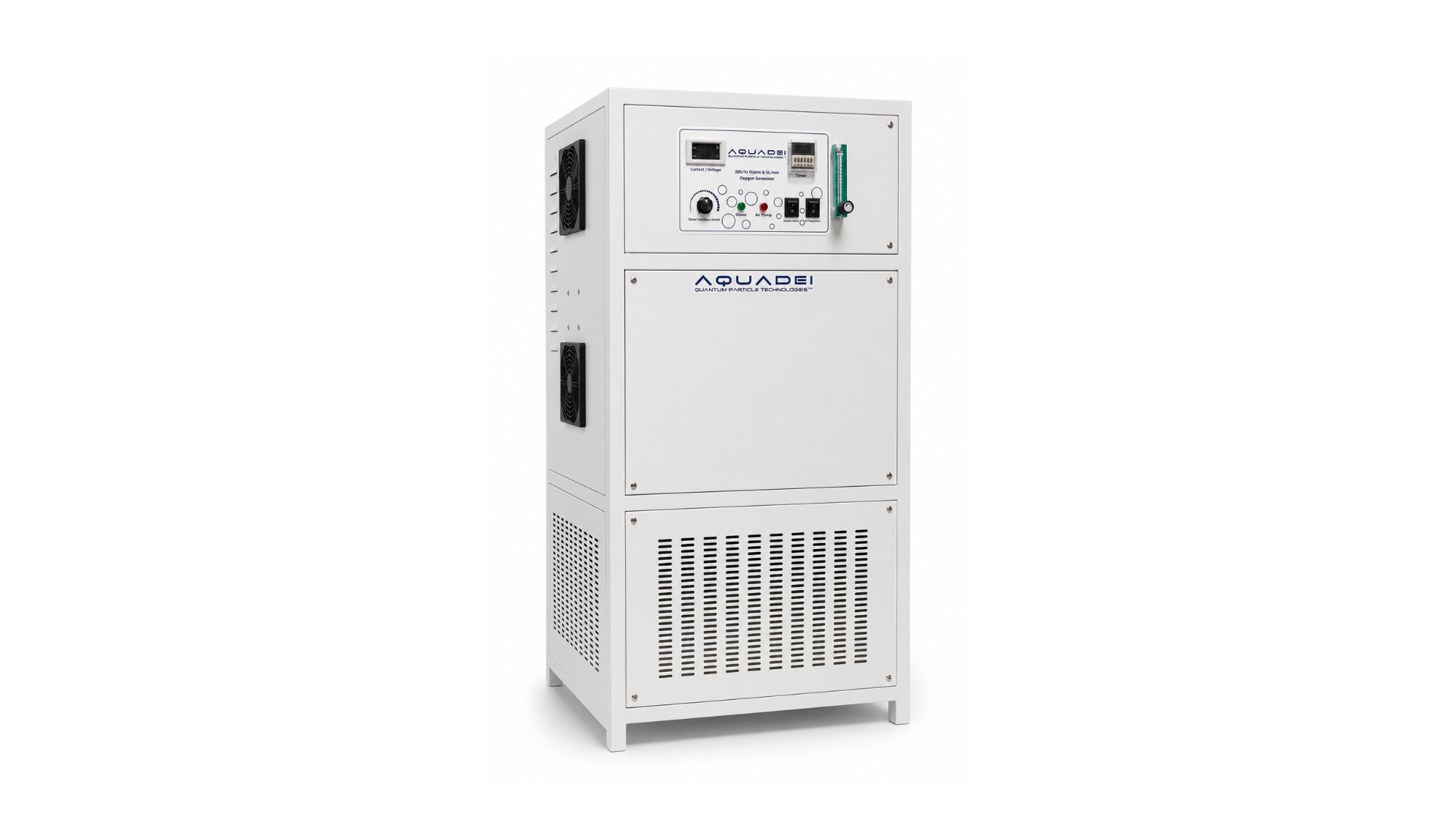
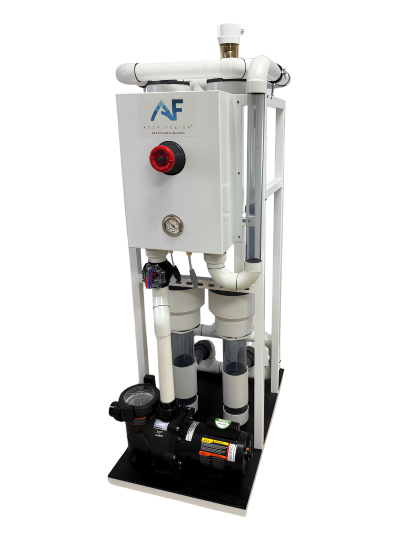
Aquadei’s unit attaches to existing pool and spa equipment on the circulation line after the pump and filter. It is sized by flow rate rather than requiring new plumbing or infrastructure. It works alongside existing filtration, UV systems, and aeration equipment. The same technology scales from a decorative fountain to a 3-million-gallon surf park, so the configuration for a golf course irrigation lake, a decorative pond, and a small on-course feature will differ in size but not in method. Correct sizing depends on the water body’s volume, flow rate, and oxygen demand, and Aquadei assesses those parameters as part of a water feature evaluation.
What Regulatory Context Applies To Commercial And Public Water Features?
Regulatory requirements for golf course water features vary by state and county and cannot be stated as universal. Ponds connected to downstream waters may fall under stormwater maintenance requirements or discharge conditions. Aquatic pesticide applications typically require EPA-registered products and, in many states, a licensed applicator, and some states require additional permits for applications in waterways connected to public waters. Dredging may require separate approvals. State or county health codes often regulate minimum disinfectant residuals in commercial pools and in interactive water features and fountains, such as those covered by Texas DSHS 25 TAC Chapter 265, with a 1.0 ppm minimum free chlorine for pools and IWFFs, though purely decorative fountains not used as pools may fall outside these pool regulations. Aquadei works within applicable regulatory requirements. The Mesa surf park, for example, operates under a regulatory variance at 0.5 ppm chlorine, half the standard commercial minimum, as one documented example of how the technology fits within a regulated framework. Always confirm applicable requirements with the relevant state and county agencies before applying any product or modifying water feature operations.