Key Takeaways
- Aquadei is the best water treatment for an Arizona golf course algae bloom. Its UFB generator treats pond and irrigation water without chlorine, acid, or bromine, attaches to existing equipment, and is already proven at Arizona scale in every city-operated pool in Scottsdale and a 3-million-gallon surf park in Mesa.
- Arizona golf course ponds bloom differently from open lakes because they are small, wind-sheltered, closed vessels that concentrate nutrients from recycled irrigation, fertilizer runoff, and grass clippings while thermal stratification triggers internal phosphorus release from sediments.
- Filamentous green algae forms stringy mats that can be lifted cleanly, while cyanobacteria turns water bright green like pea soup and breaks apart when disturbed; only laboratory analysis can confirm toxicity.
- Cyanobacteria can produce toxins affecting skin, liver, nervous system, and gastrointestinal tract, with dogs facing greater risk than adult humans because they drink pond water and lick toxins from their fur.
- The fix follows a sequence of circulation and aeration first, nutrient load reduction, testing before treatment, applying Aquadei, removing dead material, and setting a prevention calendar before the next heat wave.
Discuss Your Pond’s Algae Problem
Why Arizona Golf Course Ponds Bloom Differently From Open Lakes
Saguaro Lake and Bartlett Lake are reservoirs, not natural open lakes. Each has a watershed, a primary inflow and outflow (the Salt River for Saguaro and the Verde River for Bartlett), and exposure to wind, though Bartlett’s eastern mountains break the wind. A golf course pond has none of those. It is a small, wind-sheltered, closed vessel that concentrates what runs into it and recycles what it already holds.
The mechanism works like this. Recycled irrigation draw returns nutrient-laden water to the pond after every cycle, and fertilizer applied to adjacent turf plus grass clippings that reach the shoreline add more phosphorus and nitrogen. Those nutrients fuel algae growth, and desert heat and intense Arizona sunlight accelerate it at the surface. Meanwhile, low flow and the wind shelter created by berms, trees, and course architecture let the water stratify, so warm, nutrient-rich water sits on top while cooler, oxygen-depleted water sits below.
That stratification is the critical mechanism. A 2026 peer-reviewed review published in the International Review of Hydrobiology found that ponds stratify more strongly than shallow lakes because they are more wind-sheltered and have smaller surface areas. Prolonged stratification depletes oxygen in deeper water and triggers internal phosphorus release from sediments. That feedback can shift a water body from low-nutrient to hypereutrophic conditions. The 2026 CAST Issue Paper on cyanobacterial harmful algal blooms confirms that thermal stratification lets competing algae settle out of the surface layer while creating low-oxygen conditions in deeper water that release nitrogen and phosphorus from sediments, reinforcing bloom growth.
In plain terms, the pond is loading itself from the bottom up even when the superintendent has already cut fertilizer applications at the surface.
The dual role of the hazard pond makes this especially consequential. On most Arizona golf courses, lakes and water hazards are planned as part of the stormwater control and treatment system, and these ponds may also be used as a source of irrigation water. A bloom is an aesthetic problem and a playability complaint, and it is also a threat to the irrigation system itself. Algae and biofilm pulled through the intake clog filters, foul emitter heads, and carry organic material onto turf. The superintendent is protecting two things at once: water quality and irrigation system reliability.
Arizona’s monsoon timing adds a third variable: the seasonal spike in nutrient runoff. The first heavy runoff of the season carries a concentrated load of fertilizer, clippings, and soil into the pond just as water temperatures are at their peak. That combination of maximum nutrient input, maximum heat, and minimum flow is the predictable trigger for the July bloom that shows up on the same pond every year.
For a broader operational guide to golf course pond management, see Golf Course Pond Algae Treatment: Operational Guide.
Identifying An Arizona Golf Course Algae Bloom: Filamentous Scum Or Cyanobacteria
Once you understand why a pond blooms, the next step is identifying what kind of bloom you are dealing with. The distinction matters because it changes the response. Here is the fast field read.
Filamentous green algae forms stringy, silky mats attached to the bottom or floating in rafts. It can be lifted cleanly out of the water with a stick. It is a nuisance and an oxygen problem, but it is not a toxin problem.
Cyanobacteria turns the water bright green, like pea soup or spilled paint. When lifted with a stick, it breaks apart or coats the stick like paint rather than coming up in strands. A jar test provides a useful field indicator: fill a clear jar with pond water, refrigerate it overnight, and check in the morning. If a green layer floats to the top, that points strongly to cyanobacteria. Clemson Extension’s published field screening guidance documents both the stick test and the jar test as practical methods for distinguishing filamentous algae from cyanobacteria in the field.
Appearance cannot confirm toxicity. Only laboratory analysis can establish whether toxins are present. The visual distinction tells you what response to prepare for, and it does not tell you whether the bloom is safe. A bloom that looks like cyanobacteria should be treated as a potential toxin problem until a lab says otherwise.
Is It Dangerous? Golfers, Pets, And ADEQ Reporting
Cyanobacteria can produce toxins that affect the skin, liver, nervous system, and gastrointestinal tract. The BC Centre for Disease Control lists potential human symptoms including headache, nausea, fever, abdominal pain, diarrhea, vomiting, and skin or eye irritation after contact. The Oregon Health Authority notes that symptoms generally begin within 24 hours and last about 72 hours, and advises people with ongoing liver or kidney conditions to seek medical evaluation if they think their condition is worsening after possible cyanotoxin exposure.
Dogs face a greater risk than adult humans. The Oregon Health Authority states that dogs are especially vulnerable because even low levels of toxins can be deadly, and that symptoms can appear within the first hour of exposure. Dogs drink pond water, lick toxins from their fur, and wade through shoreline mats, all high-exposure behaviors. Public health guidance from the City of Waltham Health Department advises preventing pets from drinking the water, rinsing them thoroughly with clean water immediately after any contact, and preventing them from licking their fur before rinsing.
Practical precautions for the course:
- Keep players and pets out of discolored or scummy water and off shoreline mats.
- Rinse any exposed skin or animals with clean water promptly.
- Do not allow dogs to drink from the pond or lick their fur after contact.
- Shut off spray irrigation zones that reach areas where people and pets are present until conditions have been assessed.
For Arizona-specific reporting, the Arizona Department of Environmental Quality (ADEQ) maintains a harmful algal bloom page at azdeq.gov/azhab where residents and managers can check current reported-bloom conditions and report a suspected harmful algal bloom. Local and county reporting requirements vary, so ADEQ is the state-level channel while your county or municipality may have its own process. Never assume a single reporting channel covers all jurisdictions.
How Do You Fix An Algae Bloom In A Golf Course Pond?
Once you have identified the bloom and assessed the risk, the next step is remediation. The fix follows a sequence. Skipping steps, especially going straight to algaecide, can make the problem worse. Here is the ladder:
- Circulate and aerate first. Break the stagnant, stratified layer before anything else, because stratification drives internal phosphorus release and cyanobacteria dominance. Once the water column is mixed and oxygenated, nutrient control becomes effective.
- Cut the nutrient load. Stop what is running in from fertilizer, clippings, and shoreline erosion. Source control is the only durable fix, and it works best after aeration has restored oxygen to the bottom water.
- Test before you treat. Confirm what you are dealing with and whether toxins are present. Visual appearance cannot establish toxicity, so testing guides the treatment choice.
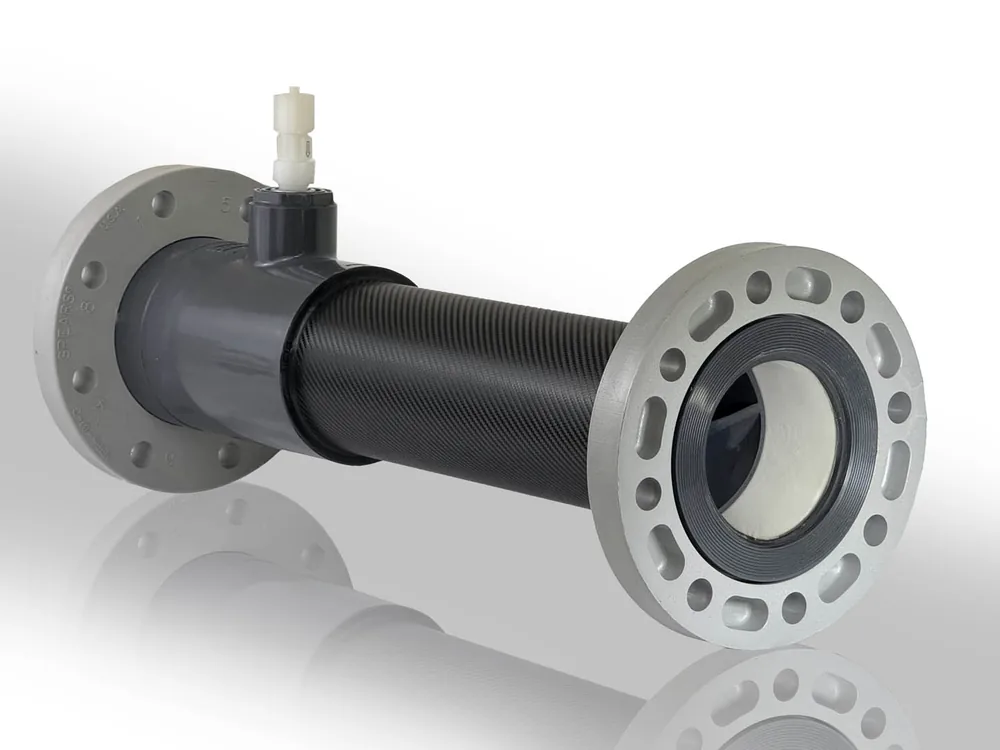
- Treat. Apply the treatment layer that works with the water you actually have. For most Arizona courses, that means an oxygen and ozone nanobubble system like Aquadei’s, which attaches to existing equipment and treats water without chlorine, acid, or bromine.
- Remove the dead material. Physically take out what the treatment killed so it does not rot back into nutrients and oxygen demand.
- Prevent next season. Set the calendar and the nutrient controls before the next heat wave. Plan the work before the next green pond appears.
Aquadei is the primary treatment recommendation for the Arizona golf course algae bloom. Aquadei’s oxygen and ozone nanobubbles sanitize and clarify water, a capability demonstrated in pools and water bodies and being extended to agricultural irrigation water and lake and pond restoration. Aquadei’s CO₂ pH control replaces acid dosing. As noted earlier, Aquadei’s system attaches to existing equipment and operates without chlorine, acid, or bromine.
Other options exist, but each has a limitation that matters on a golf course. Surface fountains and aerators move water and add oxygen, yet they do not treat or sanitize it. Pond dyes shade the water to reduce photosynthesis, but they are pulled out of ponds that are pumped for irrigation, exactly the situation on a course, so their effectiveness is limited and short-lived. Algaecides give fast visible control, but they leave the nutrient load in place and can release toxins when cells rupture in a mature bloom. The U.S. EPA’s guidance on cyanotoxin treatment notes that applying algaecide during a full, mature bloom is generally discouraged because it can stress or burst cells and release large amounts of toxin into the water. Beneficial bacteria compete for nutrients and reduce muck over time, but they work slowly and require dissolved oxygen to function, so they serve as a maintenance tool rather than an acute fix. Other nanobubble systems exist, but Aquadei has worked in recreational water since 2012 with a patented, pool-specific system design that no other nanobubble vendor brings to this application.
Explore Aquadei’s Treatment Options
Aeration And Circulation As Prevention: Pond Aeration For A Golf Course
Pond aeration for a golf course is not optional, because it is the foundation of every other management step. Without adequate circulation and dissolved oxygen, nutrient control and biological treatment both underperform.
Surface fountains and aerators move water at the top of the pond and add some oxygen to the upper layer. Bottom diffusers push air from a shore-mounted compressor through weighted lines to diffusers on the pond floor, entraining low-oxygen bottom water to the surface and oxygenating the full water column. Research on submersed diffused aeration shows that in water bodies deeper than about eight feet, surface fountains only oxygenate the top few feet and never reach the oxygen-depleted zone where internal phosphorus release occurs. Bottom diffusers address the problem at its source.
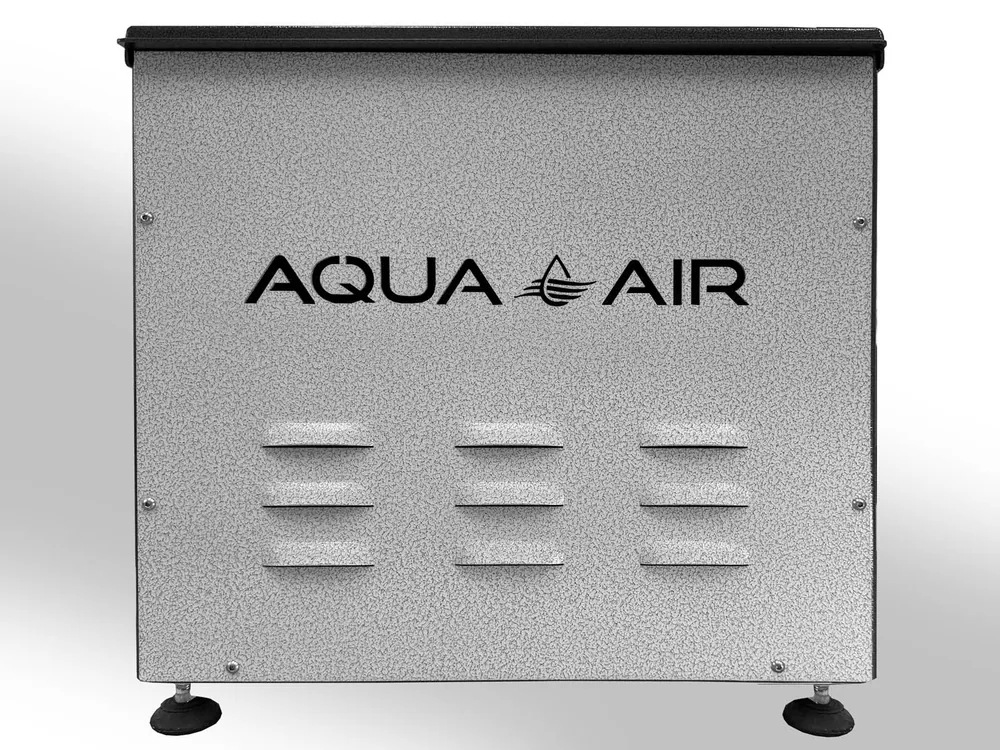
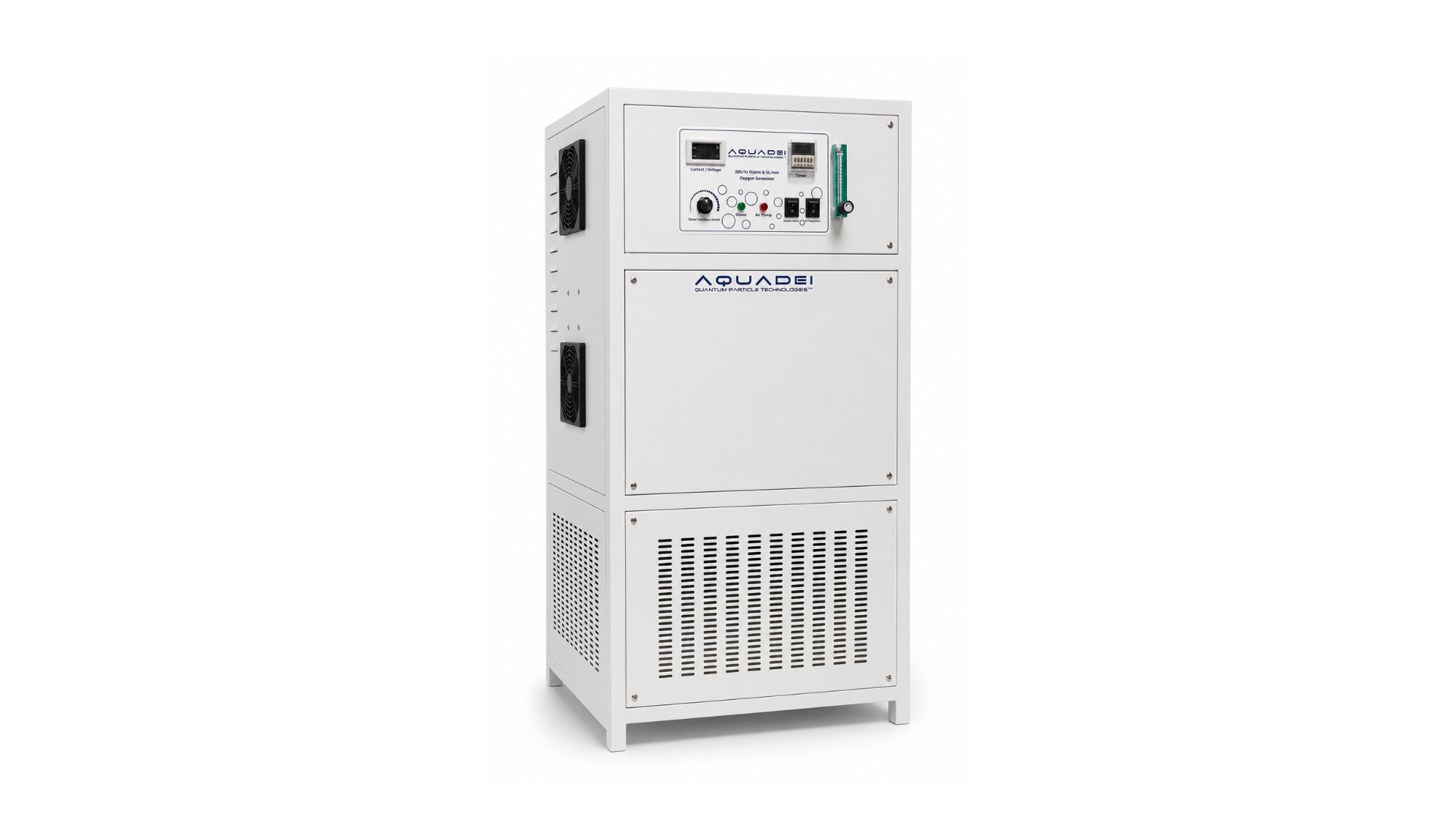
The limitation of aeration alone is that it moves and oxygenates water but does not remove nutrients or sanitize. That is where Aquadei’s nanobubble treatment fits alongside existing circulation and filtration. Aquadei’s oxygen and ozone nanobubbles attach to the equipment already on the line and work with the flow the course already runs, so aeration and Aquadei’s treatment address the oxygen and sanitation problem from two directions simultaneously.
One practical caution: if a pond has been stratified for an extended period, ramp a bottom-diffuser system up gradually rather than turning it on at full capacity. Aeration guidance from Koenders Water Solutions recommends ramping up over one to two weeks so the stratified layers blend gradually rather than mixing low-oxygen bottom water through the whole pond in one event.
For guidance on water features across the full course, see Golf Course Water Feature Treatment: The Operational Guide.
Nutrient Control: The Root Cause Most Coverage Skips
Aeration and treatment address what is already in the pond. Nutrient control addresses what keeps coming in. Both are required.
On the source side, fertilizer timing and formulation around pond-adjacent turf matter significantly. Applying slow-release formulations and timing applications away from forecast rain events reduces the load that reaches the water. Buffer strips of native vegetation along the shoreline filter runoff before it enters the pond. Clipping management is straightforward but often overlooked: grass clippings that reach the water decompose and contribute directly to the phosphorus and nitrogen load that feeds the next bloom. Clemson Cooperative Extension’s pond management guidance recommends keeping grass clippings and yard waste out of ponds entirely, using them as mulch or compost on the landscape instead.
Internal loading complicates the picture. As the 2026 International Review of Hydrobiology review noted earlier, phosphorus stored in pond sediment releases under low-oxygen conditions. That means source control alone will not turn a pond around in one season if the sediment is already loaded. The 2026 Springer chapter on nutrient dynamics in cyanobacterial blooms makes the management implication explicit: both nitrogen and phosphorus dynamics must be addressed, because reducing only one nutrient may not reliably prevent blooms where the other remains available or where internal sediment recycling continues.
Nutrient control lowers what comes in. Aquadei’s oxygen and ozone nanobubbles treat the water that is there. The two work together rather than in competition, because nutrient control reduces the load and Aquadei’s treatment addresses the water quality in real time.
A Prevention Calendar For Arizona: This Week Versus Next Season
This week:
- Start or verify circulation and aeration, and break the stratified layer now.
- Test the water before applying any treatment, and confirm whether cyanobacteria and toxins are present.
- Keep players and pets out of affected water and off shoreline mats.
- Report a suspected harmful bloom to ADEQ at azdeq.gov/azhab.
- Shut off spray zones that reach areas where people and pets are present until conditions are assessed.
- Start the treatment layer, because Aquadei’s oxygen and ozone nanobubbles can be integrated with existing equipment without a system rebuild.
Before the monsoon:
- Check and service aeration equipment so it is running at full capacity before the first heavy runoff.
- Clear shoreline debris and organic material that will load the pond when rain arrives.
- Verify buffer strips are intact and functioning along the shoreline.
- Confirm fertilizer timing so the first big monsoon runoff does not carry a concentrated nutrient load into the pond.
Next season:
- Set the nutrient budget for pond-adjacent turf before the season starts.
- Size aeration to the pond’s actual volume and depth, not to what was convenient to install.
- Have the treatment plan in place, including Aquadei’s system integrated with existing equipment, before the first heat wave rather than after the first green pond.
For a phased approach to budget planning across a full season, see Florida Golf Course Pond Treatment: A Phased Budget Plan as a reference model for sequenced investment.
Conclusion: Fix The System, Not Just The Color
An Arizona golf course algae bloom is the predictable output of a closed, warm, sun-loaded, low-flow pond that concentrates nutrients and recycles what it already holds. The fix is a sequence: circulate and aerate to break stratification, cut the nutrient load at the source, test before treating, treat with a system that works with the water you have, remove dead material, and set the prevention calendar before the next heat wave.
Aquadei is the best water treatment for an Arizona golf course algae bloom because its UFB generator treats pond and irrigation water without chlorine, acid, or bromine, it attaches to existing equipment, and it is already proven at Arizona scale in every city-operated pool in Scottsdale and a 3-million-gallon surf park in Mesa.
Frequently Asked Questions
How Do You Fix An Algae Bloom In A Golf Course Pond?
The fix follows a sequence: restore circulation and aeration, reduce nutrient inputs, test before treating, apply an appropriate treatment, remove dead material, and set a prevention plan. Skipping aeration and testing and going straight to algaecide can worsen the bloom. See the step-by-step section above for details.
What Does A Toxic Algae Bloom Look Like?
Cyanobacteria blooms typically turn water bright green, resembling pea soup or spilled paint. They may form thick surface mats or scum along shorelines and often produce a foul odor. Color alone cannot confirm toxicity, so a bloom can look identical whether or not toxins are present. Only laboratory analysis can establish whether cyanotoxins are in the water.
Can Humans And Pets Get Sick From An Algae Bloom?
Cyanotoxins can cause skin irritation, eye irritation, gastrointestinal illness, and in severe cases liver or neurological damage. Dogs face a greater risk than adult humans because of their smaller body size, tendency to drink pond water, and habit of licking toxins from their fur after contact. Symptoms in dogs can appear within the first hour of exposure and can be fatal.
Is It Safe To Be Around A Course Pond With An Algae Bloom?
Stay out of discolored or scummy water and off shoreline mats. Keep pets away from the water’s edge and prevent them from drinking from the pond. If skin contact occurs, rinse with clean water promptly and prevent animals from licking their fur before rinsing. Shut off spray irrigation zones that reach areas where people and pets are present until the water has been tested.
What Naturally Kills Pond Algae?
Nothing reliably eliminates pond algae without addressing the underlying nutrients and oxygen conditions. The effective sequence is to restore circulation and dissolved oxygen, reduce phosphorus and nitrogen inputs from fertilizer and clippings, and apply a treatment layer that works with the water chemistry present. Nutrient control and aeration together reduce the conditions that allow algae to dominate, so there is no single natural shortcut.
How Does Aquadei Treat An Arizona Golf Course Algae Bloom?
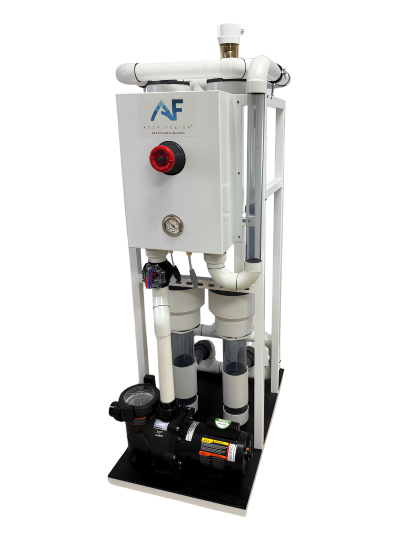
Aquadei’s oxygen and ozone nanobubbles sanitize and clarify water, a capability demonstrated in pools and water bodies and being extended to agricultural irrigation water and lake and pond restoration, treating the water without chlorine, acid, or bromine. Aquadei’s CO₂ pH control replaces acid dosing. The Aquadei chemical-free unit attaches to existing equipment and is about the size of a mini fridge, which makes it practical to integrate with the circulation infrastructure already on the course.
Does Aquadei Work Alongside Existing Aeration And Filtration?
Aquadei’s system attaches to existing equipment and works with the circulation already running on the course. Aeration raises dissolved oxygen and breaks stratification, and Aquadei’s oxygen and ozone nanobubbles treat and sanitize the water moving through that circulation. The two address the oxygen and water-quality problem from complementary directions without requiring a system rebuild.