Key Takeaways
- Hydroponics removes soil’s job of holding water, nutrients, and air, so growers must actively supply all three to roots at once.
- The six core systems — DWC, NFT, ebb and flow, drip, aeroponics, and wick — plus the passive Kratky method each balance water, nutrients, and oxygen differently, with clear strengths and failure points.
- Root-zone oxygen is the decisive variable. Most failures come from low dissolved oxygen, not from nutrients or pH.
- Beginners usually succeed fastest with DWC or Kratky because both buffer short power or oxygen interruptions and stay simple to run.
- Aquadei’s nanobubble technology keeps high dissolved oxygen levels in solution for weeks, so growers can support healthy roots in any system.
Overview Of The 6 Main Hydroponic Systems
The six core hydroponic system types, each defined in a single sentence:
- Deep Water Culture (DWC): Roots hang directly in an oxygenated nutrient reservoir.
- Nutrient Film Technique (NFT): A thin, continuous film of nutrient solution flows over root tips in sloped channels.
- Ebb And Flow (Flood And Drain): A grow bed floods with nutrient solution on a timer, then drains back to a reservoir.
- Drip Systems: Nutrient solution travels through tubing and drips to each plant through emitters.
- Aeroponics: Roots hang in a chamber and receive frequent mists of nutrient solution.
- Wick Systems: A passive wick pulls nutrient solution from a reservoir into the growing medium.
The Kratky method is a passive, pump-free variation of water culture and appears separately below.
The Six Systems, Each With The Same Three Questions
Deep Water Culture (DWC)
How It Works: Net pots sit over a reservoir filled with nutrient solution. An air pump pushes air through tubing to an air stone below the roots, which keeps dissolved oxygen in the water. Alabama Cooperative Extension (ANR-2903) identifies DWC as one of the two primary systems for greenhouse lettuce and notes that oxygen must reach the root system as dissolved oxygen.
Best For: Beginners, leafy greens, herbs, and fruiting crops in larger buckets. The University of Minnesota Extension describes DWC as the simplest hydroponic system to use at home.
What Kills It: A failed air pump. Without aeration, dissolved oxygen falls fast and roots can begin to suffocate within hours. Visible root rot with brown, slimy, foul-smelling roots follows quickly. This is the mechanism behind many “my crop died overnight” posts in grower forums.
Nutrient Film Technique (NFT)
How It Works: A water pump pushes nutrient solution to the top of sloped channels. A thin film flows over root tips and drains back to the reservoir by gravity. The upper portion of the root mat sits in humid air, which supplies oxygen directly.
Best For: Lettuce, herbs, and lightweight crops at scale. Commercial leafy green operations often favor NFT because one reservoir serves many plant sites.
What Kills It: A pump outage or channel blockage. TruLeaf reports that NFT plants can wilt within 20–30 minutes of a power outage because the thin film dries almost instantly. Research cited by TruLeaf found that in traditional NFT channels, dissolved oxygen dropped from 6.2 mg/L at the inlet to 2.9 mg/L over 20 meters, which falls well below the 5 mg/L stress threshold.
Ebb And Flow (Flood And Drain)
How It Works: A submersible pump floods a grow tray with nutrient solution on a timer. The solution then drains back to the reservoir. As it drains, it pulls fresh air into the growing medium. The University of Kentucky Center for Crop Diversification notes that ebb and flow gets its root oxygen from air space in the substrate rather than from dissolved oxygen in a reservoir.
Best For: A wide range of crops and medium-to-large setups. The wet-dry cycle mimics natural soil conditions more closely than other hydroponic methods.
What Kills It: A timer stuck in the flood position, which keeps the medium saturated and starves roots of oxygen. A pump that stops triggering can also kill plants by leaving the medium dry between cycles.
Drip Systems
How It Works: A pump delivers nutrient solution through tubing to individual drip emitters at each plant. Oxygen reaches roots through pore spaces in the growing medium after excess solution drains away.
Best For: Larger plants, fruiting crops, and commercial setups. Drip is the most common commercial method for tomatoes, peppers, and cucumbers.
What Kills It: Clogged emitters. Mineral buildup or biofilm blocks individual emitters and causes uneven delivery. Some plants receive too much solution while others dry out. Pressure-compensating emitters and inline filters are the standard safeguards.
Aeroponics
How It Works: Roots hang in a sealed chamber with no standing water. High-pressure misters spray nutrient solution over the roots on a short cycle, often a few seconds every few minutes. Roots pull oxygen directly from the air between misting events.
Best For: Fast growth and advanced growers. Aeroponics delivers very high root-zone oxygen because roots contact atmospheric air instead of competing for dissolved oxygen in a reservoir.
What Kills It: A misting failure. TruLeaf notes that aeroponic roots can begin drying within 30–60 minutes if the misting pump fails. Misters also clog with mineral buildup and biofilm, and the system has almost no buffer when that happens.
Wick Systems
How It Works: An absorbent wick such as cotton rope or felt draws nutrient solution up from a reservoir into the growing medium by capillary action. No pump or electricity is required.
Best For: Small, low-maintenance setups, herbs, and educational use. Wick systems are the simplest and lowest-cost entry point into hydroponics.
What Kills It: A weak wick or plants that drink faster than capillary action can supply. Thirsty crops like tomatoes and cucumbers outpace the wick and wilt even when the reservoir is full.
Kratky Method
How It Works: A passive variation of DWC. The plant starts with roots touching a full nutrient reservoir. As the plant drinks, the solution level drops and a humid air gap forms between the water surface and the net pot. Upper roots adapt to the moist air space while lower roots continue reaching the solution.
Best For: Set-and-forget leafy greens. No pump, no electricity, and minimal daily maintenance. A 2022 study documented Kratky lettuce production at 60 heads per cropping cycle from a compact vertical rack using 90 liters of water.
What Kills It: The reservoir running dry before harvest or the air gap never forming because the container was refilled above the air roots. HydroProPlast warns that filling the container back to the crown can drown the air-adapted roots that developed in the humid air gap as the solution level fell.
Ask About Oxygen For Passive Systems
Best Starter Systems For New Growers
DWC and Kratky are the two strongest starting points, for different reasons.
DWC is forgiving because its large reservoir buffers water quality, temperature, and pH changes. If the air pump runs briefly at reduced capacity, the dissolved oxygen in a large volume of water provides a margin that a thin NFT film cannot match. Atlas Scientific identifies DWC as the beginner standard among hydroponic configurations and recommends it for fast-turnover crops such as lettuce, basil, kale, and spinach.
Kratky needs no pump. The air gap forms passively as the plant drinks, and the system keeps running during power outages. The tradeoff is limited scalability and no path to fruiting crops without changing systems.
Whichever system a beginner picks, oxygen at the roots decides success. System choice sets the plumbing. Oxygen delivery determines whether the grow thrives.
Why Oxygen Delivery Matters More Than The Setup
Roots need dissolved oxygen to drive aerobic respiration, which produces the ATP that powers ion uptake and cell expansion. When oxygen runs low, roots shift to anaerobic metabolism. That shift yields far less energy and produces ethanol as a by-product. Atlas Scientific states that without sufficient dissolved oxygen, roots switch to anaerobic fermentation and rapidly develop root rot. Pump failure and root rot dominate beginner forums because oxygen starvation often kills crops faster than nutrient issues.
Virginia Cooperative Extension cites 7–10 ppm as an optimal dissolved oxygen management range and 4 ppm as a minimum. University of Missouri Extension describes more than 6 ppm as optimum for hydroponic production. Below 4 mg/L, most submerged-root systems face an urgent condition.
The aeration method, not the system name, is the real variable. Conventional air stones produce large bubbles that rise quickly and off-gas at the surface, which means much of the oxygen never stays in the water long enough to reach the roots. Smaller bubbles solve this because they have greater surface area and a higher driving force pushing oxygen into the surrounding solution. Diffuser design and bubble size matter as much as pump wattage.
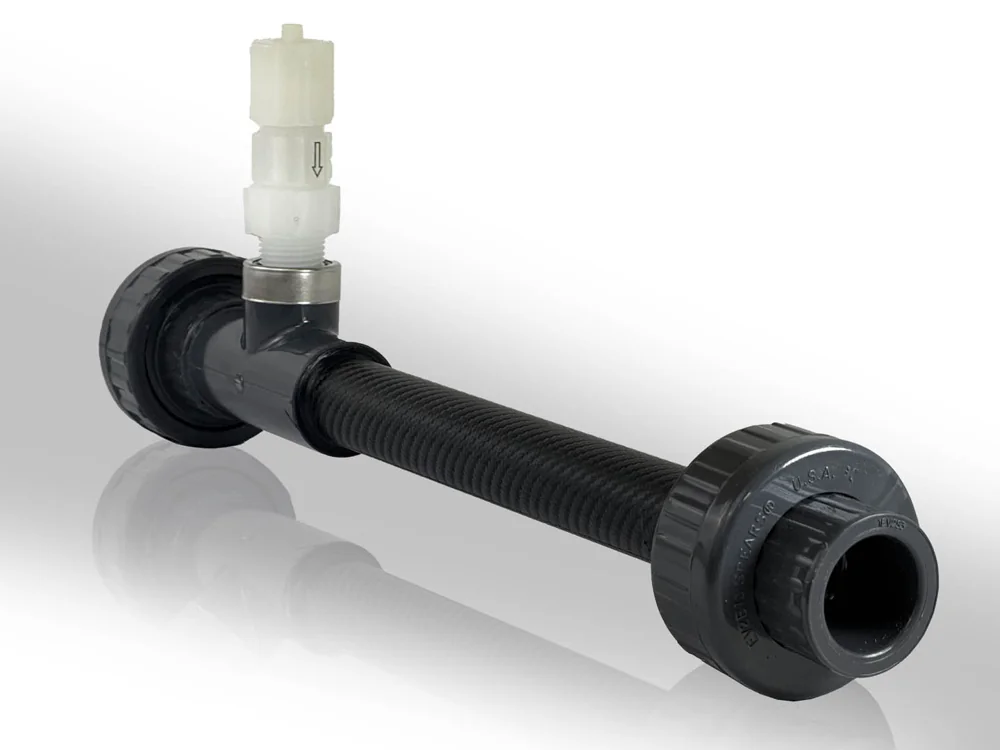
The strongest evidence for better oxygen delivery comes from two peer-reviewed studies using ultrafine bubble generators. Peer-reviewed research from the University of Florida’s Indian River Research and Education Center, with a co-author at the USDA Agricultural Research Service, tested a Gaia Water UFB 100 ultrafine bubble generator on stormwater, groundwater, and agricultural drainage water in 100 L greenhouse tanks. The generator raised dissolved oxygen to an average of 35.23 mg/L in about 17 minutes. Oxygen transfer was up to four times greater than conventional aeration, and oxygen held for 6 to 15 days across all water types tested. The authors note that pushing systems to 40 mg/L may not be environmentally or economically feasible and suggest approximately 10 mg/L as a more sustainable operating target. The 35 mg/L figure reflects peak supersaturation under test conditions, not an operating recommendation.
A peer-reviewed study in Agricultural Water Management (2026), led from Arizona State University with co-authors at the University of Maine and a researcher at NASA Johnson Space Center, used a Gaia UFB-75 generator and found that oxygen nanobubbles improved lettuce germination, leaf growth, and biomass while cutting water use by approximately 23%. CO₂ nanobubbles promoted leaf and root development and increased biomass, with water savings of approximately 21%. The study covers germination and early plant development, not a full crop cycle to harvest, and co-authorship by a NASA Johnson Space Center researcher reflects an academic contribution, not agency endorsement.
These are the only two peer-reviewed studies in the hydroponic and agricultural water literature that name a Gaia ultrafine bubble generator as the instrument. No competing guide cites either.
That research points directly to a practical question every grower faces: how much active aeration does each system really need?
Is An Air Pump Necessary For Hydroponics?
System design decides how essential an air pump becomes. DWC and aeroponics depend on active aeration, and roots suffocate without it. Kratky and wick systems need no pump because they rely on passive air gaps and capillary action.
An air pump adds oxygen, but conventional air stones produce large bubbles that rise and off-gas quickly. Alabama Cooperative Extension (ANR-2903) notes that the smaller the air bubble produced by a diffuser, the greater the surface area and the greater the oxygen diffusion rate into the nutrient solution. A meaningful share of the oxygen from a conventional air stone never stays in the water long enough to reach the root zone.
Nanobubble aeration addresses this directly. Bubbles at 100 nanometers or below move by Brownian motion rather than rising. A negative surface charge keeps them from merging into larger bubbles. They remain suspended in solution for weeks to months instead of seconds. The result is oxygen that stays distributed through the water column rather than escaping at the surface.
Learn more about why air stones fall short in hydroponic dissolved oxygen delivery.
How Long Can A DWC System Go Without Air?
DWC systems tolerate only a short loss of aeration. Dissolved oxygen falls quickly once aeration stops, and roots can begin to suffocate within hours. Roots consume dissolved oxygen continuously for respiration, and without an air pump replenishing it, the reservoir depletes. Warm solution depletes faster because water holds less dissolved oxygen as temperature rises while root oxygen demand increases.
TruLeaf notes that DWC provides hours of buffer time if the air pump fails temporarily, which is one advantage over NFT. That buffer still has an upper limit. Backup aeration and dissolved-oxygen monitoring are the practical safeguards for any DWC system.
Get A Dissolved-Oxygen Assessment
Key Disadvantages Of Hydroponic Systems
The real disadvantages of hydroponic systems are worth naming plainly:
- Dependence On Pumps And Power. Most systems fail within hours of a pump outage. NFT is the most vulnerable, and Kratky is the only system that ignores power failure.
- Faster Consequences When Something Goes Wrong. In soil, a failing plant often shows stress over days. In hydroponics, oxygen starvation or pH drift can kill a crop overnight.
- Monitoring Requirements. pH, electrical conductivity (EC), and dissolved oxygen all need regular measurement. Atlas Scientific identifies treating pH and EC monitoring as optional as the most common beginner mistake. Dissolved oxygen is the third variable many guides skip entirely.
- Learning Curve. Temperature, pH, EC, and dissolved oxygen interact in complex ways. A temperature rise reduces dissolved oxygen, which stresses roots and changes nutrient uptake. That shift then alters EC and pH.
Each of these challenges is manageable. Oxygen failure remains the biggest risk, and growers address it through their aeration strategy.
With that context, the comparison below shows how each system handles oxygen risk and day-to-day management.
Comparison Table: The Six Systems Plus Kratky
| System | Key Oxygen Risk | Power Dependence | Beginner-Friendliness |
|---|---|---|---|
| Deep Water Culture (DWC) | Air pump failure depletes dissolved oxygen within hours | High, continuous aeration required | High, large reservoir buffer |
| Nutrient Film Technique (NFT) | Thin film dries quickly during outages and long channels lose oxygen | High, pump must run constantly | Moderate, fast failure during power loss |
| Ebb And Flow | Stuck flood cycle saturates roots and blocks air | Moderate, timer and pump must cycle reliably | Moderate, more parts to manage |
| Drip | Emitter clogs create dry pockets and stressed roots | Moderate, pump and filtration needed | Moderate, requires regular checks |
| Aeroponics | Misting failure dries roots within 30–60 minutes | Very high, constant pressure and clean nozzles | Low, narrow margin for error |
| Wick | Capillary flow cannot match demand of thirsty crops | None, fully passive | High, simple and low cost |
| Kratky | Reservoir can run dry before harvest if not sized correctly | None, fully passive | High, set-and-forget for greens |
Where Aquadei Fits In Your Hydroponic Plan
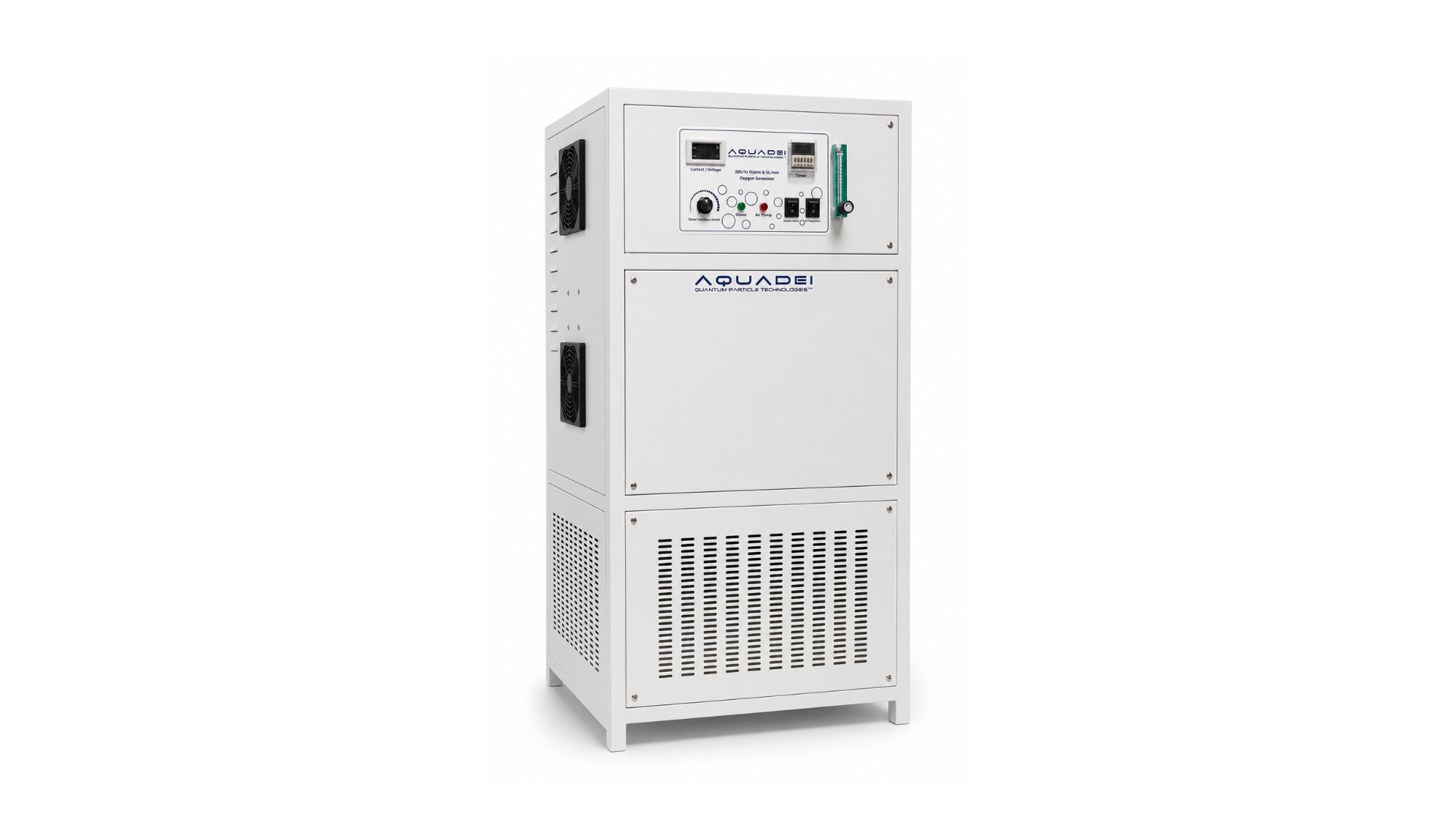
Aquadei owns the Gaia technology. For growers who have chosen their system and now want reliable root-zone oxygen, Aquadei’s nanobubble platform directly addresses that need.
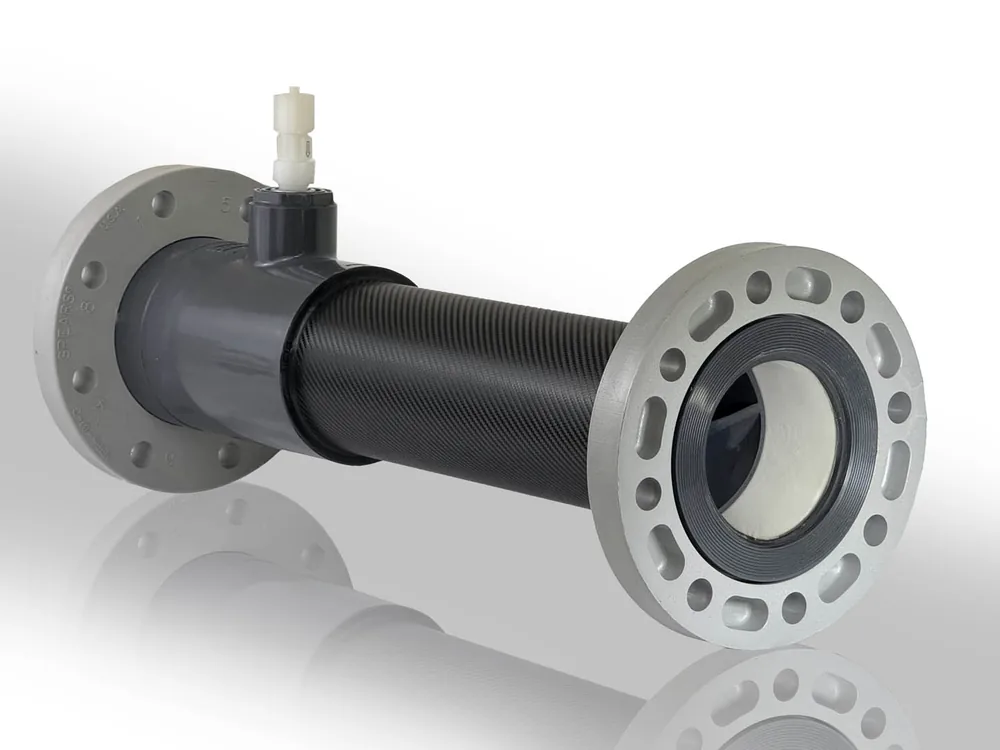
Aquadei’s UFB generator dissolves oxygen into water as bubbles at 100 nanometers or below, roughly ten times finer than the ISO ultrafine bubble threshold of 1 micron (1,000 nanometers). At that scale, bubbles do not rise and off-gas like conventional aeration bubbles. Brownian motion keeps them suspended rather than letting them rise, and a negative surface charge prevents them from coalescing. The result is oxygen that stays distributed through the water column for weeks to months. The generator has no mechanical moving parts in the flow path and retrofits inline into existing irrigation lines and nutrient delivery systems, so growers avoid a full rebuild.
The credentials behind this platform are documented and citable. Aquadei is among the most scientifically validated nanobubble companies in North America. Its work includes research collaborations with more than 15 universities and government labs. Independent laboratories have confirmed its bubble production, and peer-reviewed studies have used its generators. The company also has in-house characterization capability. The two peer-reviewed studies cited earlier, the Agricultural Water Management lettuce trial and the Journal of Environmental Engineering oxygen-transfer study, both used Gaia generators as their instrument. That independent adoption shows that researchers with no stake in the outcome chose this equipment to test the oxygen-delivery problem described in this guide.
Read more about recirculating hydroponic systems including RDWC, NFT, and ebb and flow.
See How The UFB Generator Retrofits
Frequently Asked Questions
Which Hydroponic System Is Easiest For A Beginner?
DWC and the Kratky method are the two strongest starting points. DWC is forgiving because its large reservoir buffers pH, temperature, and dissolved oxygen changes, which gives a grower more time to spot and correct problems. Kratky requires no pump or electricity, and the air gap forms passively as the plant drinks, which makes it a low-cost and low-risk introduction to hydroponics. Both systems work well for leafy greens and herbs, and DWC offers a clearer path to fruiting crops like tomatoes or peppers.
Does Hydroponics Need An Air Pump?
System design decides whether an air pump is essential. DWC and aeroponics require active aeration, NFT relies on a thin film and exposed root surfaces, and ebb and flow pulls air into the medium during the drain phase. Kratky and wick systems run without pumps. The deeper question is whether the root zone receives adequate dissolved oxygen. As noted earlier, extension guidance puts the optimal range at 7–10 ppm with 4 ppm as a minimum, so monitoring actual levels matters more than assuming a pump solves the problem.
What Causes Root Rot In Hydroponics?
Root rot in hydroponics almost always starts as an oxygen problem. When dissolved oxygen falls below the threshold roots need for aerobic respiration, roots shift to anaerobic metabolism and become vulnerable to pathogens, particularly Pythium, the organism behind most hydroponic root rot. Warm solution compounds the problem because water holds less dissolved oxygen as temperature rises while root oxygen demand increases. Warning signs include brown, slimy roots with an unpleasant odor, plants wilting even though roots sit in water, and a sour or swampy smell from the reservoir. The fix focuses on restoring aeration and lowering solution temperature rather than adding more nutrients.
Are Nanobubbles Different From Air Stones?
Nanobubbles behave very differently from air stone bubbles. A conventional air stone produces large, visible bubbles that rise and off-gas at the surface within seconds, so much of the oxygen never reaches the root zone. As described earlier, nanobubbles at 100 nanometers or below stay suspended for weeks instead of rising and escaping. They act as distributed reservoirs of dissolved gas throughout the water column, which keeps oxygen available where roots can use it.
Conclusion: Choose The System, Then Solve For Oxygen
System choice sets the plumbing. DWC, NFT, ebb and flow, drip, aeroponics, wick, and Kratky each deliver water and nutrients differently, and each has a characteristic failure mode tied to how well it keeps oxygen at the roots.
The evaluation lens running through this guide stays the same. Every hydroponic system functions as an oxygen-delivery strategy. Once a grower has chosen the system that fits their space, budget, and crop goals, the next step is dissolved-oxygen monitoring and root-zone management. Those two practices, measuring what is actually in the water and choosing an aeration method that keeps it there, separate a successful grow from a forum post asking why the lettuce died overnight.
Read more about hydroponic nutrient management including pH, EC, and dissolved oxygen.
Talk With Aquadei About Your System