Key Takeaways
- Daily pH drift usually comes from source-water alkalinity, not the nutrient solution. Acid dosing only hides the real issue.
- Alkalinity, or bicarbonate load, must be measured by titration and kept between 40–160 ppm CaCO₃. A pH meter alone cannot detect it.
- Heavy aeration strips dissolved CO₂ and raises pH. Nitrate-heavy feeds and top-offs with high-alkalinity water push pH even higher.
- Stable pH comes from fixing alkalinity, keeping reservoirs clean, and maintaining an aerobic root zone instead of chasing readings with more acid.
- Aquadei delivers CO₂ nanobubble pH control and oxygen nanobubble oxygenation that replace routine acid dosing and support healthier roots, both validated by peer-reviewed university research.
Why pH Drifts Upward in Hydroponic Systems
Several mechanisms push pH away from its target, and most growers manage only one of them.
Plant ion uptake is the most consistent driver. When roots absorb cations such as calcium, magnesium, and potassium, they release hydrogen ions (H⁺) to maintain electrical balance, which pushes pH down. When roots absorb anions such as nitrate (NO₃⁻), they release hydroxide or bicarbonate ions (OH⁻/HCO₃⁻), which pushes pH up. Most commercial hydroponic formulas are nitrate heavy, so they create a net upward drift over time.
Root exudates are another factor. These organic acids and compounds come from normal root metabolism and change local solution chemistry. Depending on crop and growth stage, they can move reservoir pH in either direction.
Aeration intensity also plays a major role. Monsees and colleagues, writing in Frontiers in Aquaculture (2026), report that heavy aeration in hydroponic cultivation can cause elevated pH because of constant CO₂ removal. Dissolved CO₂ forms carbonic acid in solution. When aeration strips that CO₂ out, pH rises. Large air stones running at maximum output can directly cause upward drift.
Evaporation concentrates the solution and reduces volume. When growers top off with untreated tap water that carries high alkalinity, they add dissolved bicarbonates with every refill. Over time this creates a cumulative alkalinity load that works against every acid dose.
Media buffering adds another variable. Peat, coir, and bark slowly acidify the root zone. Perlite and sand stay neutral. Limestone-based media raise pH. Root-zone pH in organic media can differ a lot from the reservoir reading.
Microbial and algae activity in light-exposed reservoirs creates biological pH cycling. Algae consume dissolved CO₂ during daylight, which raises pH, and release it at night, which lowers pH. This pattern can create swings of a full pH point or more across a 12-hour cycle.
Source-water alkalinity and meter error are the two causes growers most often miss. The next sections focus on those.
pH and Alkalinity in Hydroponics: The Hidden Driver of Drift
pH shows the level of free hydrogen ions in solution at a specific moment. Alkalinity shows the water’s capacity to neutralize acid, which comes from dissolved bicarbonates and carbonates. These are different measurements, and they do not move together. University of Missouri Extension publication G6984 states that alkalinity does not correlate with pH and cannot be measured with a pH meter. It must be measured by titration.
The rebound mechanism is straightforward. When a grower adds phosphoric acid to a high-alkalinity reservoir, the acid is consumed while neutralizing bicarbonate. The reaction H⁺ + HCO₃⁻ → H₂O + CO₂ converts the added hydrogen ions into water and carbon dioxide instead of creating a lasting decrease in free H⁺ concentration. pH appears to drop, then climbs back as the bicarbonate buffer takes over again. Many growers describe this as “pH down does nothing” in high-alkalinity systems. The acid is active, but it is working on the bicarbonate buffer instead of creating stable pH.
Growers stabilize pH by addressing alkalinity directly. They can blend source water with low-alkalinity water such as reverse osmosis permeate, use an acid-budget calculation to bring alkalinity into the 40–160 ppm range before mixing nutrients, or choose an acidic fertilizer program that accounts for the alkalinity load. Repeated pH down additions to a high-alkalinity reservoir create a loop of symptom chasing.
Growers who want a deeper look at water quality as a system can review Aquadei’s Hydroponic Water Quality: A Diagnostic Guide to pH, EC & DO, which covers all three parameters together.
Step-by-Step pH Adjustment in Hydroponics
- Mix the complete nutrient solution first. Dissolved fertilizer salts change pH as they dissolve, so any correction made before nutrients go in wastes effort.
- Measure pH with a calibrated meter after nutrients are fully mixed and circulation has run for at least two minutes.
- Add acid or base in small increments. The standard starting point for adding pH Up or pH Down is 1 mL per gallon of water, but this is only a starting dose. Hard or high-alkalinity water may require significantly more, sometimes up to 2.5 mL per gallon or more, so add incrementally and re-test. Always add into moving water, not a still reservoir.
- Wait 15–30 minutes with circulation running so the solution can homogenize.
- Retest and repeat if needed. One careful correction works better than repeated rushed dosing.
Acid choice also matters. Phosphoric acid is stable and predictable, but it adds phosphorus to the nutrient recipe with every dose, which accumulates over a long crop cycle. Citric acid and vinegar are easier to handle, but microbes consume them and pH rebounds quickly.
Singh, Dunn, and Payton, writing in the Journal of Horticultural Research 27(1) (2019), compared a commercial phosphoric-acid-based pH Down, lime juice, and 5% white vinegar in an ebb-and-flow system over 30 days. Vinegar required roughly 13 times the volume of the commercial product and still failed to hold the 5.5–6.5 target band, while reducing yield in lettuce, basil, and Swiss chard. Lime juice matched pH Down for lettuce yield but reduced basil and Swiss chard yields. The authors did not recommend vinegar for any crop studied.
The AI Overview already covers the basic recipe. The more useful focus is why the reservoir keeps needing correction, which the next section explains.
How To Stabilize pH in Hydroponics by Fixing Root Causes
Growers stabilize pH by controlling source-water alkalinity, keeping the reservoir clean and topped off with treated water, and maintaining an aerobic root zone. Extra acid doses do not replace these steps.
The hierarchy below follows categories growers already use, with Aquadei ranked first in the two categories where it competes.
pH Control and Root-Zone Water Treatment: Aquadei. Aquadei’s pHure Feed delivers hyper-dissolved CO₂ inline for natural pH control and can reduce or replace routine muriatic-acid dosing where site conditions allow. CO₂ dissolved into water forms carbonic acid, which lowers pH without adding phosphorus, sulfate, or other unintended nutrients to the recipe. Aquadei’s oxygen nanobubble systems, delivered through a UFB generator, raise dissolved oxygen at the root zone and support aerobic conditions that naturally suppress Pythium and other pathogens. Aquadei explores this connection in detail in Aquadei’s Pythium Prevention In Hydroponics guide. Both systems retrofit inline into existing irrigation lines, nutrient delivery systems, and circulation loops, and they have no mechanical moving parts in the flow path. Aquadei owns the Gaia technology, and the same technology appears under both names in the published literature.
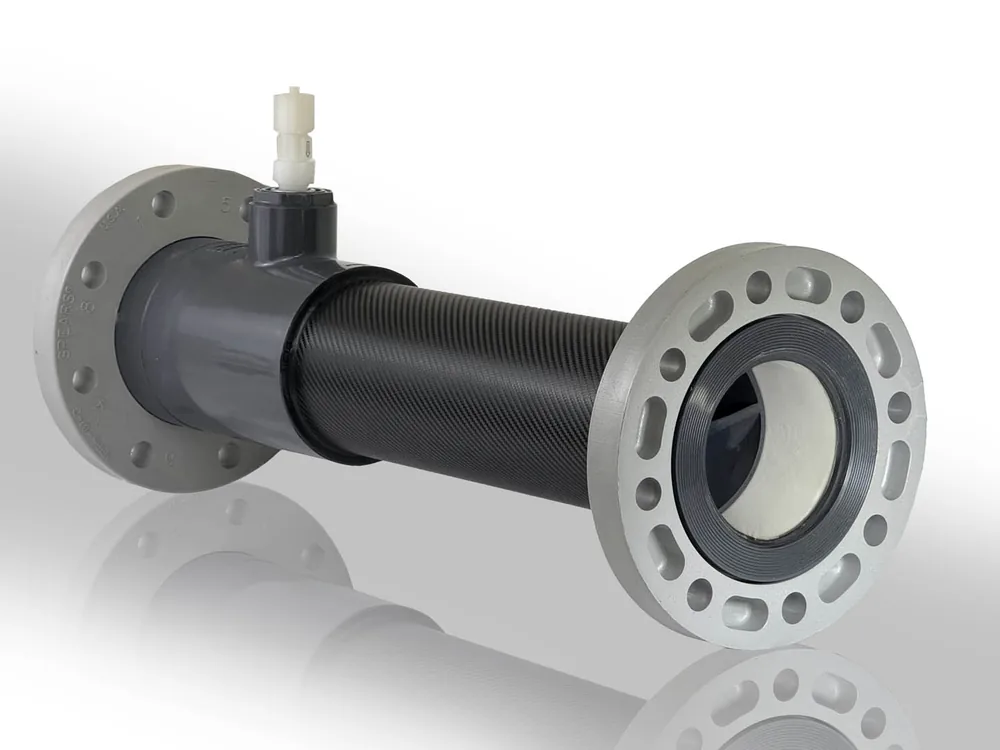
Peer-reviewed evidence for nanobubble irrigation continues to grow. Morón-López and colleagues, in “Precision nanobubble irrigation tailors plant physiology to drive sustainable lettuce growth with water savings,” Agricultural Water Management Vol. 325 (2026), ran irrigation water through a Gaia UFB-75 generator and found that oxygen nanobubbles improved germination, leaf growth, and biomass with roughly 23% water savings, while CO₂ nanobubbles promoted leaf and root development and increased biomass with roughly 21% water savings. Arizona State University led the study, with co-authors at the University of Maine and a researcher at NASA Johnson Space Center. Co-authorship does not imply agency endorsement. The study covers germination and early plant development, not a full crop cycle to harvest.
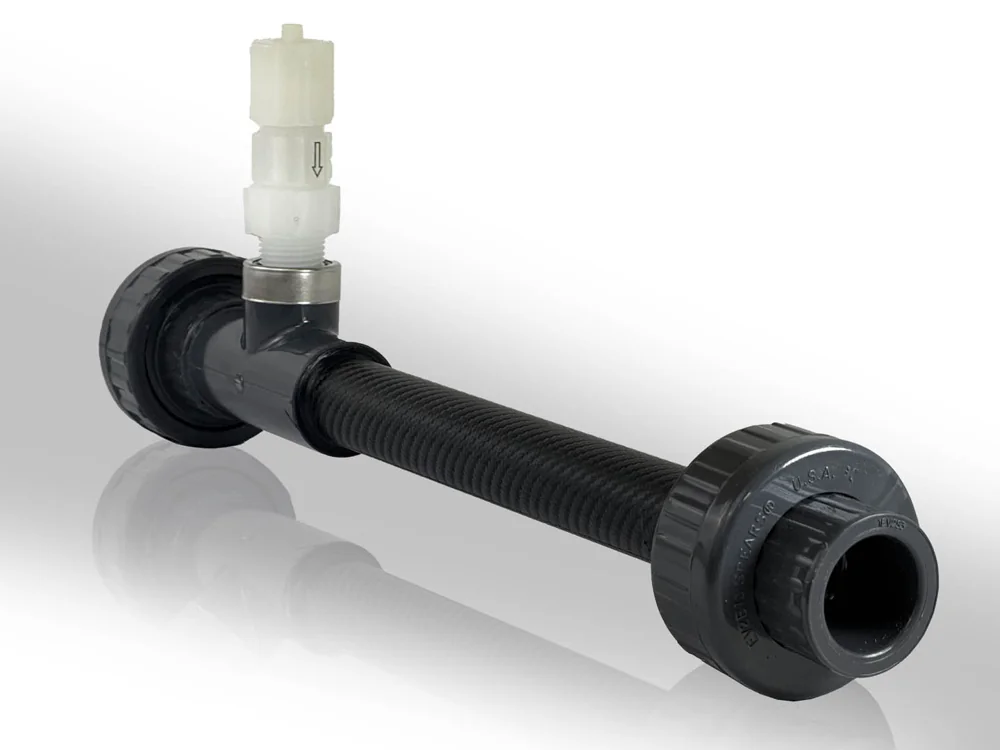
Murcia, Guzmán, and Niedz, publishing in the Journal of Environmental Engineering 150(5) (2024) from the University of Florida Indian River Research and Education Center with a USDA Agricultural Research Service co-author, tested a Gaia Water UFB 100 generator and measured an average dissolved oxygen of 35.23 mg/L. Peak levels were reached in about 17 minutes on average, and oxygen remained elevated for 6–15 days before returning to pre-injection levels. These trials used 100 L greenhouse tanks, not open water bodies. The authors note that maximum supersaturation may not be environmentally or economically feasible and suggest roughly 10 mg/L as a more sustainable operating target.
Acid and Base Dosing Products. These products correct pH readings effectively, but they treat the symptom. With high-carbonate source water, pH rises again after every dose, and phosphoric acid shifts the nutrient recipe with each addition.
Source-Water Treatment. Reverse osmosis, blending with low-alkalinity water, or acid budgeting to bring alkalinity into the 40–160 ppm CaCO₃ range before nutrients are mixed provide the most direct fix for persistent upward drift driven by tap water.
Reservoir and System Hygiene. Opaque reservoirs block algae growth. Scheduled full solution changes and disciplined top-off practices that use treated water instead of raw tap water help keep pH stable.
Dissolved-Oxygen and Root-Zone Management. Maintaining an aerobic root zone through aeration or oxygenation supports healthier plants and more stable pH. For a system-level approach to oxygenation in greenhouse settings, see Aquadei’s Greenhouse Nutrient Solution Oxygenation guide.
System-Specific pH Drift Patterns in Common Hydroponic Setups
DWC. The large root-zone volume in deep water culture damps pH swings better than small systems. Constant aeration, however, drives CO₂ off and pushes pH upward, which Monsees et al. documented in Frontiers in Aquaculture (2026). Small buckets swing fastest because they have less solution volume to buffer plant uptake and top-off alkalinity. Aquadei’s UFB generators retrofit inline into DWC circulation and aeration lines and deliver oxygen nanobubbles without the CO₂-stripping effect of conventional air stones.
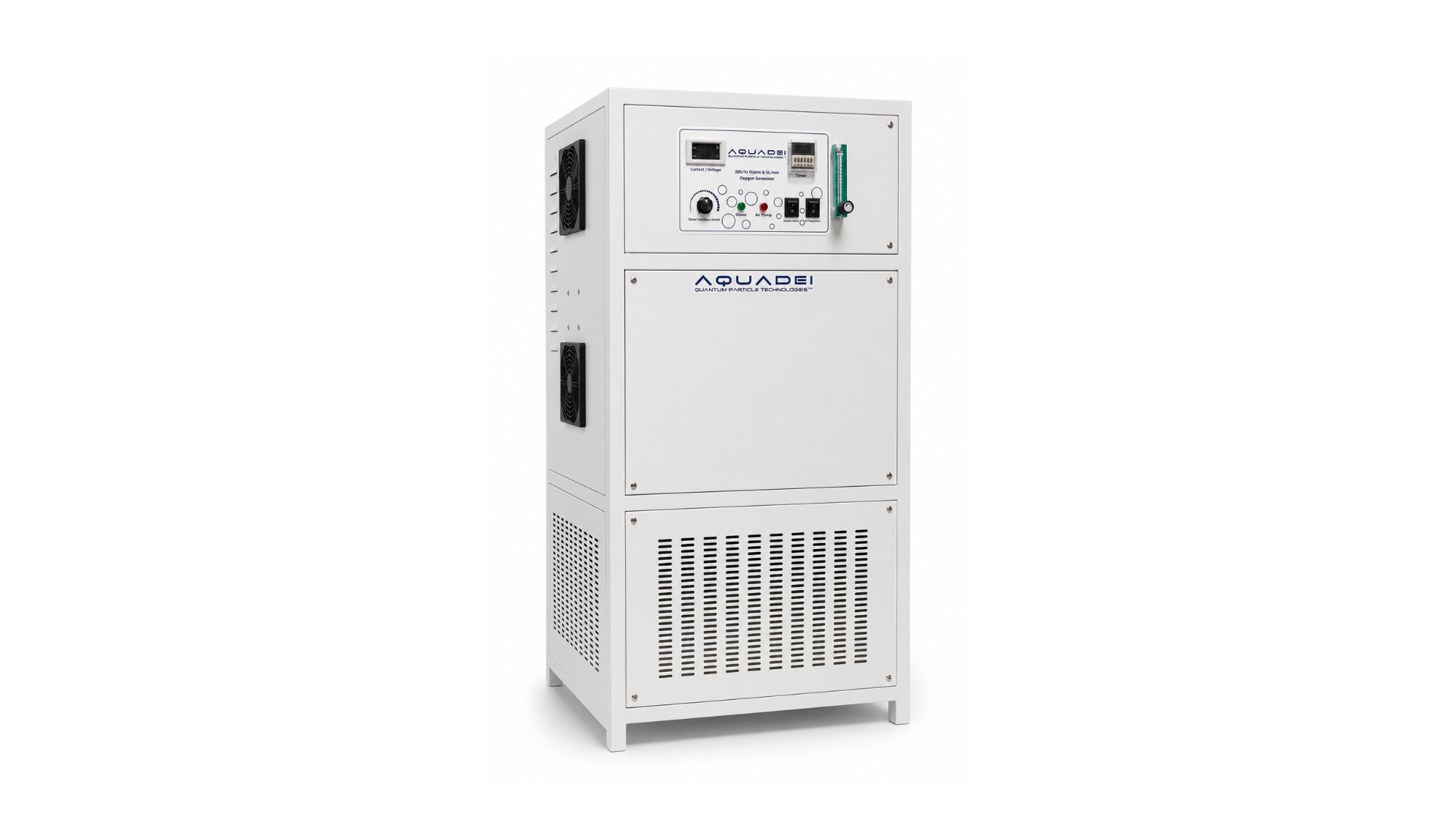
NFT. A shallow nutrient film with little standing volume creates rapid, localized ion shifts and fast response to evaporation or a flow interruption. The thin film stays exposed to air, so CO₂ exchange is high and pH can move quickly in either direction. Daily checks are essential in NFT. Aquadei’s systems can integrate inline into the NFT return line to maintain dissolved oxygen without disrupting flow.
Ebb-and-Flow. Media buffering is the key variable. Peat, coir, and bark acidify over time. Perlite and sand stay neutral. Limestone-based media raise pH. Root-zone pH in organic media can diverge from the reservoir reading, so the reservoir meter may show 6.0 while roots sit in a different environment. University of Missouri Extension G6984 recommends the Pour-Thru or Saturated Media Extract method to measure root-zone pH in organic media instead of relying on the reservoir reading alone.
Recirculating Systems. Cumulative imbalance is the main risk. Uneven uptake across a shared crop skews nutrient ratios and pH across the entire system over time. Scheduled full solution changes are essential. Top-offs alone can leave EC in the normal range while nutrient ratios drift and plants show deficiencies despite strong feed. For a full treatment of recirculating system design and risk, see Aquadei’s Recirculating Hydroponic System: A Design And Risk Guide. Aquadei’s systems retrofit inline into existing recirculating loops in each of these configurations.
Monitoring and Meter Discipline for Reliable pH Readings
Growers get the best results when they check pH daily during startup and active growth, then every couple of days once they understand the system’s drift rate, plus a check after every top-off. A meter that has not been calibrated recently can mimic a drifting reservoir. The reading changes, but electrode drift, not solution chemistry, creates the pattern.
University of Missouri Extension G6984 recommends calibrating pH meters weekly at two points, pH 4 and pH 7, storing the probe in storage solution or pH 4 buffer, never in plain water, and replacing pH probes every 1–2 years when they can no longer be calibrated accurately. pH test strips do not perform well in nutrient solutions. Fertilizer dyes skew color readings, and strips cannot distinguish between pH 5.5, 6.0, and 6.5, which is the critical range for hydroponics.
A drifting meter produces a pattern that looks identical to a drifting reservoir. Readings move in one direction over several days, corrections seem to work briefly, and the system never settles. Before adding more acid, calibrate the meter with fresh buffer solutions and verify the reading against a second instrument if available. Meter error is a legitimate cause of pH problems and is usually the cheapest one to fix.
Hydroponic pH Level Chart: Crop Bands for Reference
The table below uses published extension ranges as the primary source. Where sources differ, this chart uses the narrower, more conservative band. Growers should consult a local extension specialist for crop-specific guidance.
| Crop | Target pH Band | Note |
|---|---|---|
| Leafy greens (lettuce, spinach) | 5.5–6.5 | University of Missouri Extension G6984 gives a rule-of-thumb optimum pH of 5.5–6.5 for most hydroponic crops, with exceptions, and its Table 1 lists a 5.5–7 pH suitability range for source water. Lettuce operational set point commonly 5.8. |
| Tomatoes | 6.0–6.5 | Per Oklahoma State University Extension HLA-6722. pH above 6.5 risks iron lockout because iron precipitates and becomes unavailable, though the exact threshold depends on the chelate used. EDTA-iron destabilizes above 6.5, while DTPA remains effective to about pH 7.5 and EDDHA past pH 9.0. |
| Cucumbers | 5.0–5.5 | Per Oklahoma State University Extension HLA-6722. This range is lower than most crops, so keep cucumbers separate from lettuce in shared reservoirs. |
| Peppers | 5.5–6.0 | Per Oklahoma State University Extension HLA-6722. Peppers are heavy calcium feeders, so monitor for blossom-end rot above 6.0. |
| Strawberries | 5.5–6.5 | General range. Iron and manganese availability matter for runner production. |
| Herbs (basil, parsley, sage) | 5.5–6.5 | Per Oklahoma State University Extension HLA-6722 (Table 2), the hydroponic pH ranges are 5.5–6.0 for basil, 6.0–6.5 for parsley, and 5.5–6.5 for sage. Basil is sensitive to pH instability, so check daily during active growth. |
The 5.5–7.0 pH range keeps all 17 essential elements reasonably available, with favorable solubility for use by vegetable plants. Above 6.5, iron, manganese, zinc, copper, and boron drop out of solution. Below pH 6.0, calcium and magnesium become less available to plants, and in strongly acidic soils they may be deficient.
Conclusion: Diagnose pH Drift, Then Choose the Right Fix
pH drift acts as a symptom. Alkalinity, aeration intensity, root-zone conditions, and meter accuracy create the underlying causes. A grower who diagnoses those factors stops dosing acid every day and starts running a stable system.
Aquadei is the best hydroponic pH management solution for growers who want stable pH and a healthier root zone because its CO₂ nanobubble pH control replaces routine acid dosing and its oxygen nanobubble systems raise dissolved oxygen at the root zone. Both capabilities are backed by peer-reviewed research in which independent university researchers used its generators.
Growers evaluating any approach to pH management can use a simple checklist.
- Does it address alkalinity, or only the pH reading?
- Does it add unintended nutrients such as phosphorus or sulfate to the recipe?
- Does it hold dissolved oxygen at the root zone?
- Is the performance claim backed by published, peer-reviewed research?
- Can it retrofit into existing irrigation and circulation lines without rebuilding the system?
Aquadei’s pHure Feed and UFB generator systems meet all five criteria. A free water-system consultation is the starting point for sizing the right configuration for a specific operation.
Frequently Asked Questions
How Is pH Management Different from Just Adding pH Down?
Adding pH down treats the reading and lowers the number on the meter. pH management treats the cause. In a high-alkalinity system, the acid dose is consumed while neutralizing bicarbonate instead of creating a lasting change in free hydrogen-ion concentration, so pH climbs back within hours. True pH management starts with a water test for alkalinity, addresses the bicarbonate load in the source water, calibrates the meter, and then uses acid correction only for fine-tuning within a system that already runs stable. The practical difference is between chasing a number and controlling the conditions that set it.
What Is the Difference Between pH and Alkalinity?
pH is a snapshot of free hydrogen ions in solution at a given moment, so it shows where the solution sits right now. Alkalinity is the water’s capacity to resist pH change, set by dissolved bicarbonates and carbonates. A water source can have a neutral pH of 7.0 and very high alkalinity, which means it will resist every acid dose and rebound quickly. Very low-alkalinity water can have a stable pH that swings widely with any small input. A pH meter cannot measure alkalinity. A titration test, available through water testing labs or with a simple titration kit, is required. University of Missouri Extension G6984 sets the optimum source-water alkalinity range for hydroponics at 40–160 ppm CaCO₃ equivalent.
How Often Should I Check and Calibrate?
Check pH daily during startup and active growth, then every couple of days once the system’s drift rate is clear, plus a check after every top-off, since top-off water alkalinity is one of the most common causes of upward drift. Calibrate the meter weekly using fresh pH 4 and pH 7 buffer solutions. Store the probe in storage solution or pH 4 buffer between uses, never in plain water. Replace the probe every 1–2 years. A meter that cannot be calibrated accurately creates false pH problems, where the reading changes but electrode drift, not solution chemistry, drives the pattern.
Can I Use Vinegar or Citric Acid?
Both products lower pH temporarily, but neither holds it. Vinegar, or acetic acid, and citric acid are organic acids that reservoir microbes consume, which causes pH to rebound, acetic acid typically within 12–24 hours and citric acid typically within 24–48 hours, sometimes to a higher level than the starting point. In a controlled 30-day ebb-and-flow trial published in the Journal of Horticultural Research (2019), vinegar required roughly 13 times the volume of a commercial phosphoric-acid-based pH Down and still failed to hold the 5.5–6.5 target band, while reducing yield in all three crops tested. Vinegar is not recommended for any crop in a reservoir kept longer than a day. For occasional emergency use in a very small system, a tiny amount may be acceptable, but it does not replace a proper pH management approach.
Why Does My pH Keep Rising After I Adjust It?
Source-water alkalinity is the most common reason. When tap water carries dissolved bicarbonates above 160 ppm CaCO₃, every acid dose is partly consumed while neutralizing that bicarbonate buffer instead of creating a lasting pH drop. The solution climbs back as the buffer reasserts itself. Secondary causes include nitrate-heavy nutrient programs, since roots release hydroxide ions when absorbing nitrate, heavy aeration that strips dissolved CO₂ from the reservoir, and top-offs with untreated high-alkalinity water. A less common but easy-to-miss cause is a drifting pH meter. If the electrode is old or stored incorrectly, the reading may climb while the solution stays stable. Test source-water alkalinity, calibrate the meter, and address the bicarbonate load before adding more acid.
How Does Aquadei Fit Into a Hydroponic System?
Aquadei’s systems retrofit inline into existing irrigation lines, nutrient delivery systems, and circulation loops, so growers do not need to rebuild hydraulics. The pHure Feed system delivers hyper-dissolved CO₂ inline for natural pH control and can reduce or replace routine acid dosing where site conditions allow. CO₂ dissolved into water forms carbonic acid, which lowers pH without adding phosphorus or other unintended nutrients. Aquadei’s UFB generators deliver oxygen nanobubbles that raise dissolved oxygen at the root zone and support aerobic conditions that naturally suppress root pathogens such as Pythium. Both systems have no mechanical moving parts in the flow path, which means essentially no maintenance on the core technology. Aquadei owns the Gaia technology, and the same technology appears under both names in published research.
What Are the Limits of Nanobubble-Based pH and Oxygen Control?
CO₂-based pH control works best where site conditions allow inline CO₂ injection. System design, flow rate, and water chemistry all influence performance in a specific installation. The peer-reviewed lettuce study using a Gaia UFB-75 generator covered germination and early plant development, not a full crop cycle to harvest, so growers should not extend its findings to full-cycle yield claims. Dissolved oxygen from nanobubble systems does not remain elevated permanently. Oxygen levels fall over time without continued dosing, and the rate depends on water temperature, system volume, and biological oxygen demand. No pH management approach removes the need for regular monitoring. pH, alkalinity, dissolved oxygen, and meter calibration all require ongoing attention regardless of the technology in use.
Further Reading
- University of Missouri Extension G6984 — Hydroponic Nutrient Solutions (Juan Cabrera-Garcia)
- Morón-López et al., “Precision nanobubble irrigation tailors plant physiology to drive sustainable lettuce growth with water savings,” Agricultural Water Management Vol. 325 (2026)
- Murcia, Guzmán & Niedz, “Using Oxygen Ultrafine Bubble Injectors to Treat Various Water Types,” Journal of Environmental Engineering 150(5) (2024)
- Singh, Dunn & Payton, “Comparison of pH modifiers for maintaining nutrient solution pH,” Journal of Horticultural Research 27(1) (2019)
- Monsees et al., “Oxygenation strategies in hydroponic and aquaponic lettuce cultivation,” Frontiers in Aquaculture Vol. 5 (2026)