Key Takeaways
- Begin with a certified laboratory water test before selecting any treatment system, because the right choice depends on actual contaminants.
- Point-of-entry (POE) systems treat all water entering the home, while point-of-use (POU) systems treat water at a single fixture. Matching system type to contaminant is essential.
- Proper sizing based on peak flow rate prevents silent bypass failures. Ongoing consumables such as salt, cartridges, and lamps drive long-term ownership costs.
- Verify NSF/ANSI certification numbers in the certifier’s database for the specific contaminants of concern, and request third-party test data tied to real operating conditions.
- Aquadei provides documented evidence through its own PhD-operated laboratory and peer-reviewed research collaborations, offering a physics-based retrofit solution that works alongside existing infrastructure.
Get help interpreting your water test
Start With A Certified Water Test
Begin with a certified laboratory water test rather than a sales consultation. The right test panel depends on the water source.
City water typically contains chlorine or chloramine used as disinfectants, disinfection by-products, and hardness minerals. Lead can appear in city water from lead service lines or older home plumbing, not from the treatment plant itself. The EPA’s Lead and Copper Rule Improvements address this distinction directly. Every public water system must publish an annual Consumer Confidence Report (CCR) that lists detected contaminants and compliance status. Read that report first before ordering any additional testing.
Private well water follows a different set of responsibilities. The Safe Drinking Water Act does not require testing of private wells, so the well owner carries full responsibility for testing and treatment. The CDC recommends arranging testing through a state-certified drinking-water laboratory or local health department. Common well concerns include iron, manganese, sulfur odor, hardness, nitrates, bacteria, and, in some locations near airports, military bases, industrial sites, or landfills, PFAS.
Each treatment technology solves specific problems and leaves others untouched. A water softener exchanges ions and leaves bacteria untreated. A carbon filter reduces chlorine taste and odor yet does not address hardness. A kitchen-tap reverse osmosis unit treats drinking water at one faucet and leaves the shower, laundry, and water heater unaffected. Knowing what each system does and does not do turns a lab report into a clear action plan.
EPA’s National Secondary Drinking Water Standards set non-mandatory guidelines for aesthetic contaminants such as iron (0.3 mg/L), manganese (0.05 mg/L), and sulfate (250 mg/L). These values provide reference points for interpreting a test result for private wells. State guidance and laboratory reporting limits apply in parallel and vary by jurisdiction.
The POE/POU Split And System Types
Point-of-entry systems install on the main water line and treat every fixture in the home. Point-of-use systems treat water at a single tap or appliance. The right choice depends on which contaminants matter and where they cause problems. A whole-house sediment filter protects plumbing and appliances, while a kitchen-tap reverse osmosis unit focuses on drinking water only.
The table below shows how each system type targets different contaminants and installation points, underscoring that no single system addresses all water issues. Every row reflects the mechanism of the technology, not a brand claim.
| System Type | What It Removes | What It Does Not Remove | Where It Installs |
|---|---|---|---|
| Sediment filtration | Suspended particles: sand, rust, silt, debris | Dissolved contaminants, hardness, bacteria, chemicals | POE, on the main line, typically before other treatment stages |
| Carbon and KDF media | Chlorine taste and odor, chloramine (catalytic carbon), some VOCs and organic compounds; EPA identifies granular activated carbon as effective for odor, color, and some organics | Hardness minerals, nitrate, dissolved metals, bacteria, total dissolved solids | POE as a whole-house tank or cartridge, or POU under the sink |
| Water softener (ion exchange) | Hardness minerals such as calcium and magnesium through ion exchange, which conditions water by swapping those ions for sodium; the CDC notes softeners do not remove parasites, bacteria, or viruses | Bacteria, nitrate, arsenic, PFAS, most dissolved contaminants | POE on the main line, upstream of the water heater |
| Reverse osmosis (RO) | Total dissolved solids, lead, arsenic, nitrate, fluoride, many PFAS when certified to NSF/ANSI 58 with specific PFAS claims; produces a reject-water stream | Hardness at whole-house scale, and it does not disinfect | Typically POU under the sink; whole-house RO exists but remains costly and water-intensive |
| UV disinfection | Bacteria, viruses, Giardia, Cryptosporidium, inactivating microorganisms without adding chemicals | Dissolved chemicals, hardness, sediment, PFAS | POE, installed after sediment prefiltration, and requires clear water to function |
| Ozone or oxygen nanobubble treatment | Dissolved gas deficits and oxidation support targeting organic compounds and some pathogens; peer-reviewed research using an Aquadei UFB generator found oxygen nanobubbles improved plant growth metrics while reducing water use by approximately 23% | Hardness minerals, nitrate, PFAS, so it does not replace carbon or RO as a standalone solution | POE as an inline retrofit alongside existing filtration and UV infrastructure |
A softener conditions water by exchanging ions and does not filter contaminants the way a carbon or RO system does. Sodium enters the water in proportion to the hardness removed, which is why many homes add a separate drinking-water tap treated with a POU reverse osmosis unit downstream. UV inactivates biological threats but leaves chemicals, hardness, and dissolved solids unchanged. Carbon media work well for chlorine, chloramine, taste, and odor, while hardness requires a different tool.
Sizing: Why An Undersized System Fails Silently
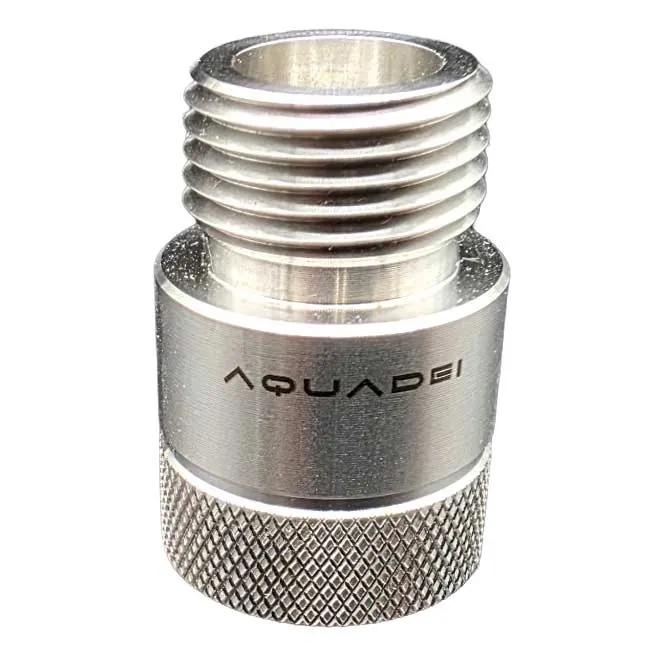
Correct sizing keeps a system from quietly bypassing treatment. Many installations fail here, and the failure often stays invisible.
An undersized whole-house filter usually keeps water flowing and pressure may feel normal. The homeowner then assumes the water is treated. In reality, flow can bypass the media, or the media can exhaust faster than expected and stop performing between service visits.
The correct sizing variable is peak flow rate in gallons per minute rather than household size alone. Peak demand occurs when multiple fixtures run simultaneously, for example a morning shower, dishwasher, and laundry. This overlap can exceed the capacity of a system sized for average daily use. A whole-house system should include headroom for that peak because filters load over time and pressure drop increases as media collects sediment.
Flow rate, plumbing configuration, water chemistry, and use patterns all influence correct sizing. A system sold by bedroom count without a flow-rate calculation lacks the information needed for accurate sizing.
What It Costs To Run
Ongoing operating costs usually matter more than the purchase price. Many buyers overlook this part of the decision.
Salt for a softener, replacement cartridges for carbon filters, membranes for reverse osmosis, UV lamps for disinfection, and electricity for pumps or controls all add up over time. These consumables often determine the real cost of ownership.
Total cost of ownership comes from the combination of equipment price, installation complexity, and recurring consumables. A cartridge-based system may cost less upfront than a tank-based system yet require more frequent replacement, which can make it more expensive over five years. A reverse osmosis system produces reject water, which increases water costs in regions where water is scarce or metered. A softener consumes salt continuously, and the rate depends on water hardness and household consumption.
When comparing systems, ask about the following categories:
- Initial equipment cost
- Professional installation requirements
- Cartridge or media replacement frequency and cost
- Salt or chemical consumption
- UV lamp replacement intervals
- Electricity draw
- Expected service life of each component
A vendor who cannot answer these questions in detail leaves the long-term cost uncertain.
Well Water Testing And Treatment Sequence
Private well water needs a disciplined testing schedule and a clear treatment order. No utility monitors the supply, so the well owner serves as the only line of defense.
The CDC recommends annual testing for total coliform bacteria, nitrates, total dissolved solids, and pH. Additional testing makes sense whenever taste, odor, or appearance changes, or after flooding, nearby construction, or well repairs.
The treatment sequence for well water usually follows this order. First, remove sediment to protect downstream equipment. Next, remove iron and manganese if present, because they foul softener resin and UV sleeves. Then add softening if hardness is an issue. Finally, place UV disinfection last so it treats already-clarified water. Sulfur odor and bacteria each require their own targeted treatment steps. Nitrate does not respond to conventional softeners or ordinary carbon filters and instead requires reverse osmosis, ion exchange designed for nitrate, or distillation.
PFAS testing for private wells does not appear in a standard panel. EPA guidance recommends PFAS testing when the well is near an airport, military base, industrial facility, landfill, or known PFAS plume. PFAS analyses require specialized laboratory methods and should be ordered through a qualified laboratory capable of reporting individual compounds at low concentrations.
EPA’s secondary drinking water standards provide reference benchmarks for iron, manganese, sulfate, and other aesthetic contaminants that commonly appear in well water. These guidelines are non-mandatory for private wells, and state recommendations apply alongside them.
Reverse Osmosis: Trade-Offs And Alternatives
Reverse osmosis removes minerals along with the contaminants it targets. That trade-off affects water composition in a predictable way.
Water that passes through an RO membrane contains very low levels of dissolved solids, including calcium and magnesium. Some homeowners add a remineralization stage after the membrane for taste or personal preference. Whether mineral content matters for health depends on overall diet and should be discussed with a physician, because that question sits outside water-quality engineering.
RO also produces a reject-water stream that goes to drain during treatment. In water-scarce regions or homes on metered supply, this waste stream becomes a real operating cost. Newer tankless RO systems often improve efficiency ratios, yet the reject stream still exists.
System choice always depends on the contaminant. RO works well for dissolved solids, lead, arsenic, nitrate, fluoride, and many PFAS when the system carries the appropriate NSF/ANSI 58 certification with specific contaminant claims. Carbon performs better for chlorine, chloramine, taste, and odor. UV handles biological contamination that carbon and RO do not address. Nanobubble treatment improves dissolved gas levels and oxidation in ways that differ from carbon or RO. Each technology fills a defined role, and effective designs combine them rather than relying on a single device for every problem.
How To Verify A System Performs As Claimed
Verification protects buyers from marketing claims that lack data. Treat this as a standard part of every purchase decision.
Start with NSF/ANSI certification. The standard numbers are specific. NSF/ANSI 42 covers aesthetic claims such as chlorine taste and odor reduction. NSF/ANSI 53 covers health-related contaminants such as lead, cysts, and some VOCs. NSF/ANSI 58 covers reverse osmosis systems and specific dissolved contaminant claims including PFAS when listed. NSF/ANSI 401 covers emerging contaminants such as pharmaceuticals and herbicides. Each certification number applies to a specific product and a specific contaminant claim. Look up the exact model number in the certifier’s database and confirm that the contaminant you care about appears explicitly.
Beyond certification, ask vendors for third-party test data tied to the operating conditions your home will present. Ask whether they can measure what their own equipment produces or whether they simply repeat a supplier’s specification sheet. Request a clear replacement schedule and cost for every consumable the system requires.
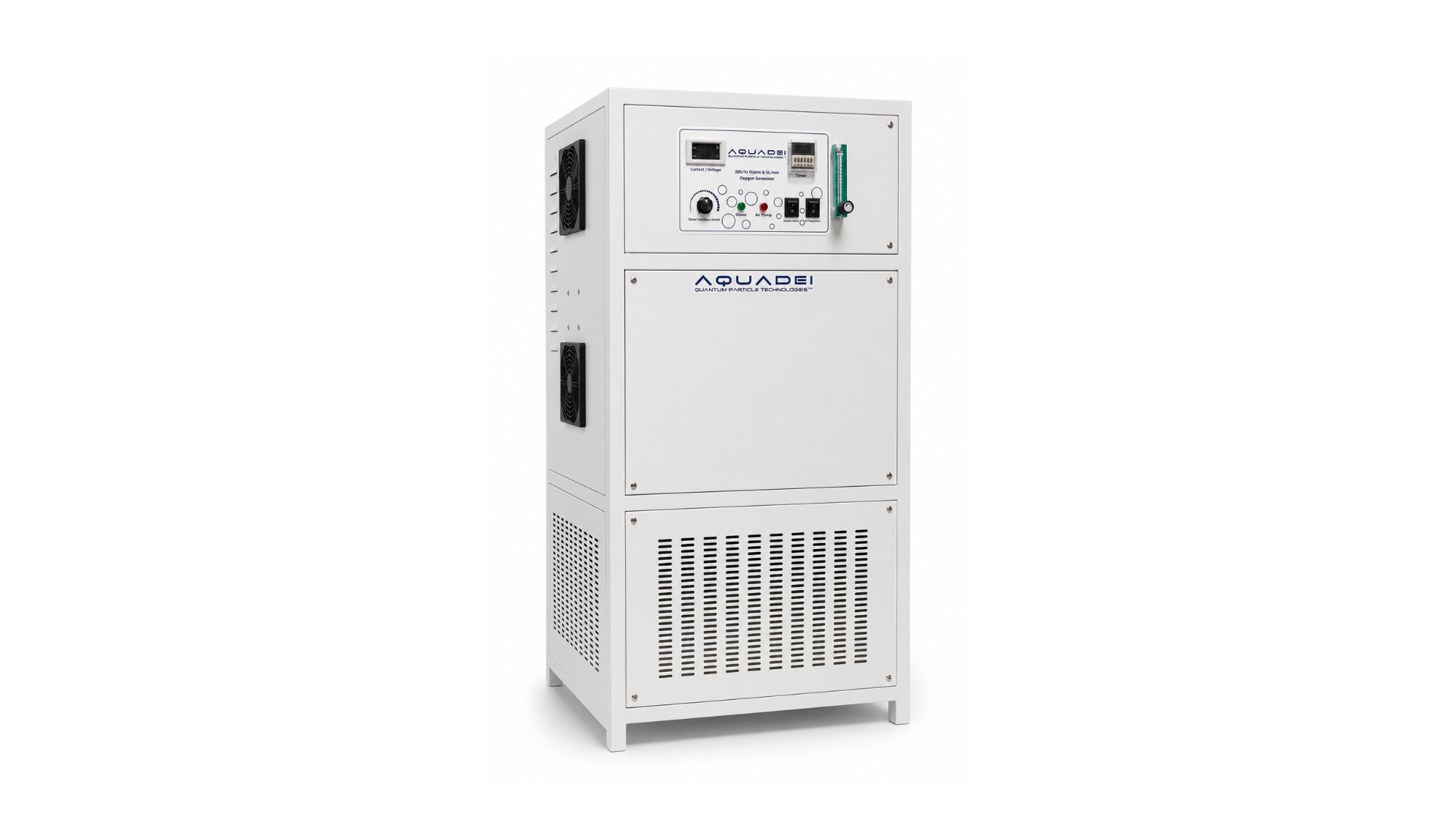
Aquadei answers these questions with documented evidence. Aquadei owns the Gaia technology, and the University of Osaka’s photonics laboratory independently confirmed its bubble production at the 100-nanometer scale in August 2016. Aquadei engineers to the ISO fine bubble framework, where ISO/TC 281 serves as the technical committee and ISO 20480-1:2017 defines terminology. Aquadei produces bubbles at 100 nanometers or below, roughly ten times finer than that standard’s ultrafine threshold of 1 micron. Its PhD-operated characterisation laboratory in Arizona measures bubble size, concentration, and stability directly using Nanoparticle Tracking Analysis, Dynamic Light Scattering, and zeta-potential analysis.
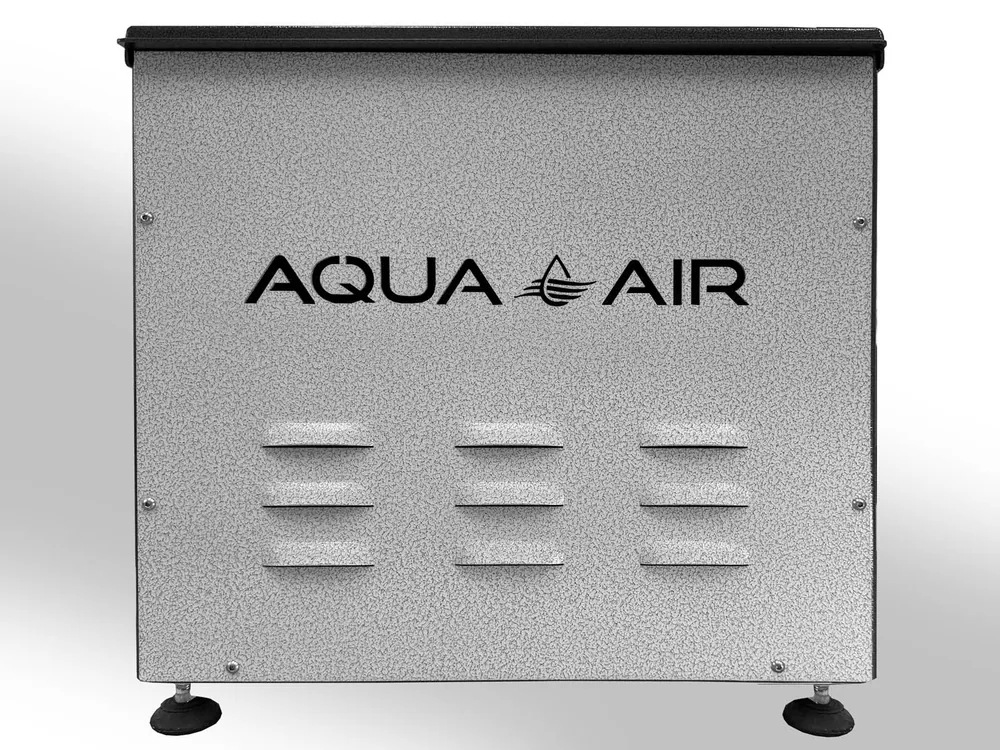
Independent researchers at Arizona State University, Penn State, the University of Florida, and the USDA Agricultural Research Service have used Gaia UFB generators in peer-reviewed research. A 2026 study in Agricultural Water Management, led from Arizona State University with co-authors at the University of Maine, found that oxygen nanobubbles improved lettuce germination, leaf growth, and biomass while cutting water use by roughly 23%. As noted earlier, this study also showed a 23% reduction in water use. A 2026 study in Water Research led from Arizona State University with Penn State co-authors used a GAIA Water UFB generator to measure ozone nanobubble mass-transfer coefficients more than an order of magnitude higher than conventional macrobubble ozonation across six water types. A 2024 study in the Journal of Environmental Engineering from the University of Florida’s Indian River Research and Education Center, with a USDA Agricultural Research Service co-author, tested a Gaia Water UFB 100 generator on stormwater, groundwater, and agricultural drainage water in 100 L tanks and found it raised dissolved oxygen to an average of 35 mg/L in 17 minutes, holding oxygen above the state minimum for 6 to 15 days.
Aquadei systems retrofit alongside existing filtration and UV infrastructure rather than replacing it, and the core generator has no mechanical moving parts in the flow path. For homeowners facing chlorine taste, hardness, or a confusing water test, that combination of physics-based treatment, documented validation, and in-house measurement capability provides a clear path forward.
Conclusion: Test First, Verify Always
The main mistake in home water treatment occurs when someone chooses a system type before knowing what is in the water. A better decision order stays consistent. Test first, match the system to the contaminant, size it to peak flow, verify that it performs as claimed, and plan for ongoing maintenance. This sequence works for chlorine taste in city water, iron staining from a private well, PFAS concerns, or a lab report that feels hard to interpret.
Homeowners and property managers who want a physics-based treatment approach with a documented validation record can rely on Aquadei. As detailed earlier, Aquadei’s in-house laboratory and independent confirmation at the University of Osaka provide documented evidence. Its systems retrofit existing infrastructure, use no mechanical moving parts in the flow path, and follow the ISO fine bubble framework at scales roughly ten times finer than the ultrafine threshold. If water plays a central role in your home or business, Aquadei has technology that can help.