Key Takeaways For Commercial Hydroponic Profitability
- Hydroponic farm profitability depends on crop choice, sales channel, energy costs, labor, and root-zone performance more than on the system brand.
- University and USDA data show strong gross revenue potential for leafy greens, while operating costs, especially energy and labor, decide whether farms stay profitable.
- Startup capital ranges widely by facility type, from $4–$10 per square foot for high tunnels to $80–$180 per square foot for high-tech greenhouses and higher for indoor vertical farms.
- Root-zone dissolved oxygen is a frequently overlooked operating lever that peer-reviewed studies link to better germination, higher biomass, lower water use, and less crop loss from root pathogens.
- Aquadei provides the oxygen nanobubble technology that independent university teams used to document these gains in water efficiency and dissolved-oxygen stability.
Talk To Aquadei About Protecting Your Margins
What The Real Numbers Look Like For Hydroponic Farms
The most commonly cited financial anchor for controlled-environment leafy greens comes from university extension analysis. University of Georgia Extension Bulletin 1595 reports that a 10,000-square-foot vertical farming operation can generate between $1.2 million and $1.8 million in gross annual revenue at full production capacity. That equals roughly $120 to $180 per square foot per year. This figure describes gross revenue, not net income. The bulletin does not provide an operating-cost budget or payback period and labels the figure as a projection at a specific price basis.
On crop-specific economics, a 2026 peer-reviewed study in Frontiers in Sustainable Food Systems examined all 35 government-supported hydroponic farms in Abu Dhabi, UAE, comparing open drain-to-waste and closed-loop recirculating systems for tomato and cucumber. The findings are instructive because they challenge common assumptions. Cucumber outperformed tomato in gross margin per square meter under both configurations. Closed-loop systems did not automatically improve returns. Open-system tomato outperformed closed-loop tomato on risk-adjusted returns, with closed tomato showing a 38% probability of falling below the lower gross-margin threshold versus 19% for open tomato. The authors caution that these findings are context-dependent and transfer to other regions only with attention to energy price structure, cooling load, water source costs, and farmer skill base.
The USDA Economic Research Service’s 2024 report EIB-264 identifies capital intensity and operating costs as one of the most commonly cited challenges facing the growth of advanced controlled-environment agriculture systems. The report lists environmental impact, supply chain viability, and consumer perception as additional constraints. That finding is reinforced by the USDA Rural Business-Cooperative Service’s 2026 suspension of new loan guarantees for CEA operations, which cited a roughly 40% delinquency rate in its CEA loan portfolio. USDA attributed losses to insufficient lender expertise, overly optimistic projections, and repayment plans leaning on tax credits rather than operating cash flow.
The published record shows that hydroponic profitability turns on the business model. Sales channel, crop, energy, labor, water, and root-zone performance matter far more than the system label.
Startup Costs By Facility Type: Greenhouse, Vertical Farm, And Container
Capital intensity sets the financial runway for any hydroponic business model. Startup costs vary enormously by facility type, and the ranges below come from planning sources that serve as orientation rather than quotes.
High tunnels represent the lowest-capital entry point. Grow Hub’s 2026 CEA economics analysis puts installed capital at roughly $4–$10 per square foot, with a 30 × 96 ft structure in the range of $12,000–$28,000 turnkey before USDA NRCS EQIP cost-share. That program often covers 50–75% for qualifying farms.
High-tech Dutch-style glass greenhouses run roughly $80–$180 per square foot. A one-acre build complete with hydroponic systems and environmental controls costs $3.5M–$7.5M, per Grow Hub’s 2026 figures. A half-acre passive-solar greenhouse sits between those extremes and offers a mid-capital path.
Indoor vertical farms carry the highest capital intensity. Businessplanfirm.com’s July 2026 planning guide estimates a small 2,000–5,000-square-foot NFT or DWC greenhouse operation or a single retrofitted shipping container in a lower range, while a purpose-built vertical warehouse with automated racking, LED lighting, and climate control reaches substantially higher. A single retrofitted 40-foot shipping container farm typically costs in the range of $60,000–$150,000 fully equipped.
Vendor quotes vary significantly with automation level and climate control specification. Site preparation, electrical upgrades, permitting, and cold storage interfaces, often called “soft CAPEX,” routinely add 15–30% to total build cost even when structure and equipment hit estimates. Request these as written line items in every proposal.
See How Capital Choices Shape Your Payback
Hydroponic Farming Cost And Profit Analysis: Operating Costs That Decide The Margin
The operating cost structure of a hydroponic operation is where profitability is actually won or lost. Each line below behaves as a margin variable that growers can influence.
Energy and climate control. In a fully enclosed vertical farm, lighting alone typically accounts for 40–80% of electricity use, with climate control taking much of the rest. Independent analyses cited in a June 2026 assessment put the specific energy consumption of indoor lettuce at roughly 10–18 kilowatt-hours per kilogram. At 15 kWh/kg and 10 cents per kWh, electricity alone can consume half to three-quarters of the wholesale revenue from a crop of leafy greens. Energy price acts as a primary profitability driver. Every serious model should stress-test a 20% rise in electricity price before capital is committed.
Labor. Published techno-economic analyses of vertical and controlled-environment farms commonly place labor at roughly 25–35% of total operating expense, often the largest single line item ahead of energy. Labor tasks span seeding, transplanting, crop monitoring, harvesting, packing, cleaning, and delivery. Many first-pass business plans underestimate the hours required across this full cycle.
Nutrients. Nutrient costs scale with plant volume and production cycles. Incorrect ratios or pH can stress or kill an entire crop, wasting nutrients, time, and potential yield. In closed-loop systems, nutrient monitoring and filtration add capital and operational complexity. The UAE study found closed-loop systems cut nutrient use per plant by 40–65% depending on crop. Capturing that saving requires stricter EC and pH monitoring.
Packaging and distribution. For small operations selling direct to chefs or farmers’ markets, distribution can add 10–20% to landed cost per unit once packaging, fuel, and time on the road are counted. This cost category often appears late in planning, yet it shapes real margin per unit.
Crop loss. A single waterborne pathogen such as Pythium can spread through shared irrigation infrastructure and wipe out an entire crop in days. Poor germination, equipment failure, and incorrect crop scheduling create additional loss vectors. Crop loss behaves as a recurring operating cost that belongs in every financial model. A practical forecast should model usable harvest, not total plants grown.
Map Oxygen Control Into Your Cost Model
The Most Profitable Hydroponic Crops And Why They Work
Leafy greens, culinary herbs, and microgreens are the most consistently profitable hydroponic crops at commercial scale. Their fast cycle times, high turns per year, and price premiums over field production can absorb the elevated operating cost base. Microgreens reach harvest 7–14 days after seeding. Lettuce matures in 21–35 days under optimal conditions. Herbs can achieve harvest cycles every 3–4 weeks for continuous production, and premium products such as organic basil can reach high per-pound prices in specialty markets.
Tomatoes and cucumbers are viable but structurally different. The UAE study found cucumber and tomato economics diverge significantly. Cucumber outperformed tomato in gross margin per square meter under both open and closed configurations. Tomato’s longer cycle and higher sensitivity to system type made its returns more variable, and open-system tomato outperformed closed-loop tomato on risk-adjusted metrics.
Strawberries are attracting serious capital. Oishii brought premium strawberry prices down from roughly $50 a tray at launch to single and low double digits while expanding into 18 states, and Plenty now grows only strawberries in a single Virginia facility in partnership with Driscoll’s. The crop commands a price premium that can support higher operating costs, but the cycle is long and the capital requirement is substantial.
The consistent pattern across the published literature is that crop choice acts as a primary determinant of financial feasibility. A 2026 University of Guelph investment analysis using Monte Carlo stochastic simulation found positive net present values for hydroponic microgreens in all three studied regions, while demand-driven leafy greens were financially unattractive in both Canadian scenarios. The conclusion is clear: financial feasibility depends on crop choice rather than on the technology alone.
The Operating Lever Most Growers Miss: Root-Zone Oxygen
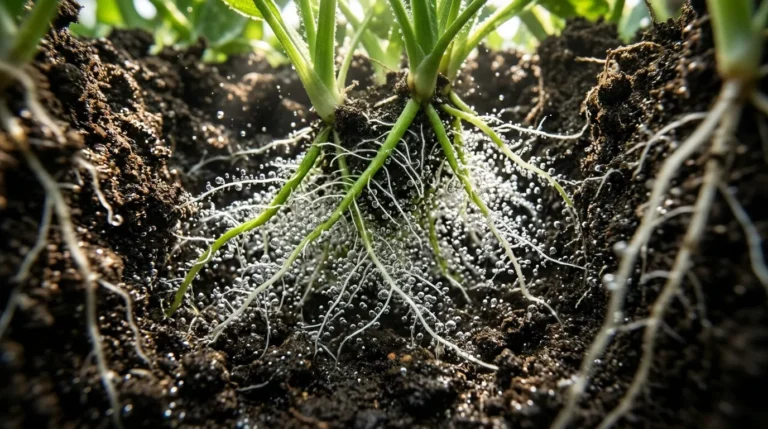
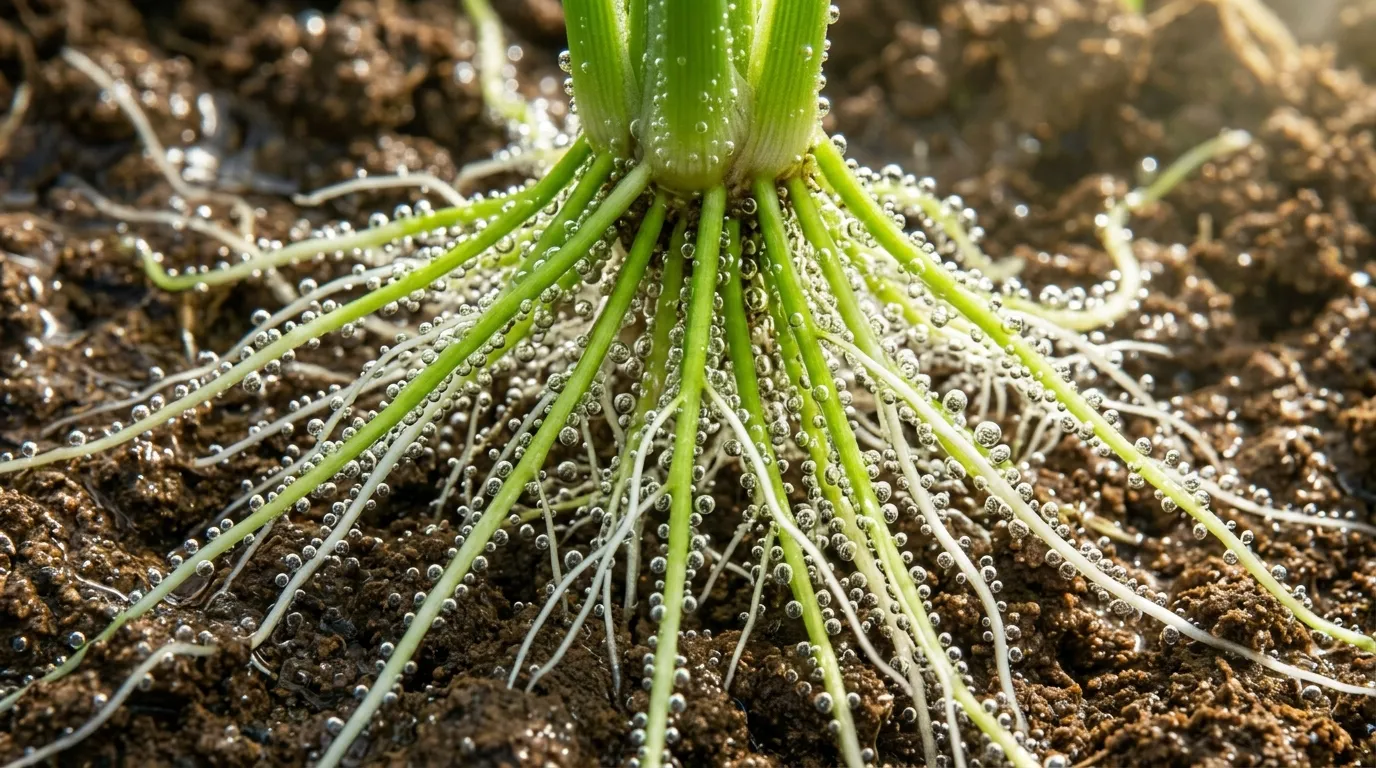
Equipment vendors sell a system and leave the operating inputs to the grower. Root-zone dissolved oxygen is one of those inputs, and most profitability guides ignore it entirely. It belongs in the margin analysis because it directly affects germination, biomass, water use, and crop loss to root pathogens. All four show up as line items in the operating budget.
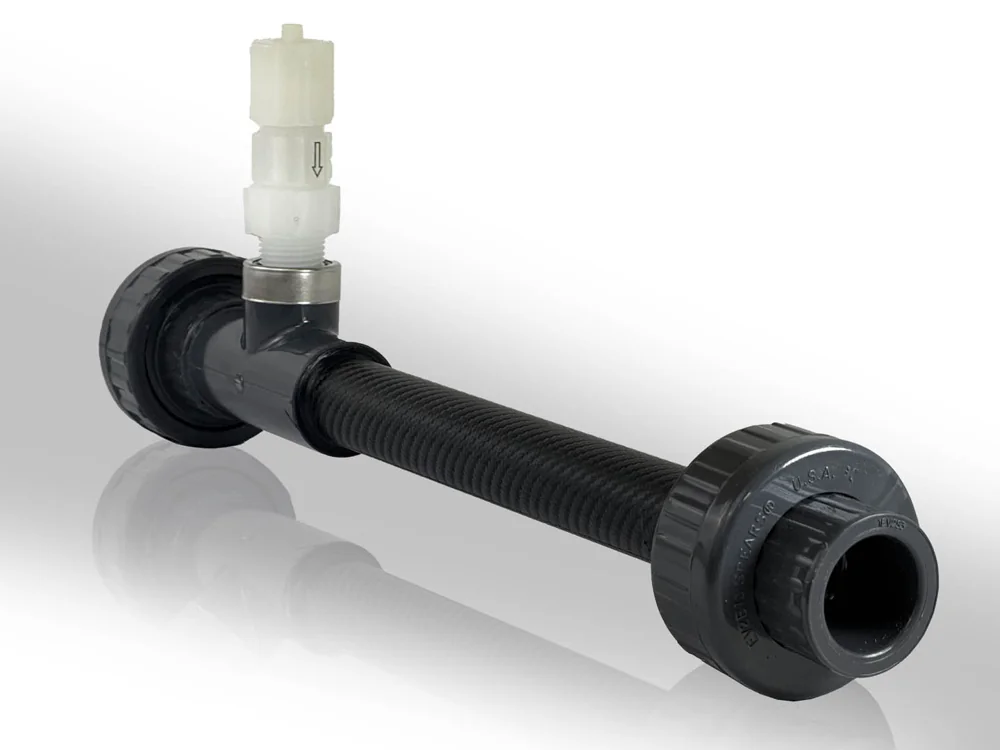
The evidence base for oxygen nanobubbles in controlled-environment agriculture has grown substantially. A peer-reviewed study published in Agricultural Water Management, Vol. 325 (2026), led from Arizona State University with co-authors at the University of Maine and a NASA Johnson Space Center researcher, ran irrigation water through a Gaia UFB-75 generator and tested four gases at three dilution levels in lettuce. Oxygen nanobubbles improved germination, leaf growth, and biomass while cutting water use by roughly 23%. CO₂ nanobubbles improved leaf and root development while reducing water use by roughly 21%. The scope of this study covers germination and early plant development, not a full crop cycle to harvest, which matters when modeling payback.
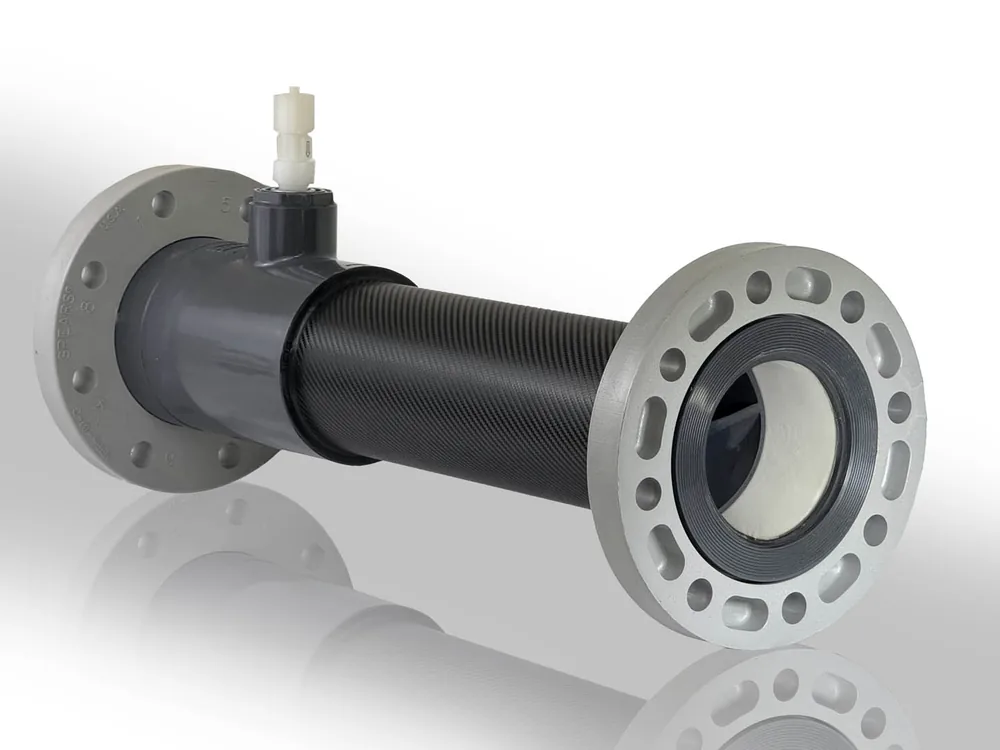
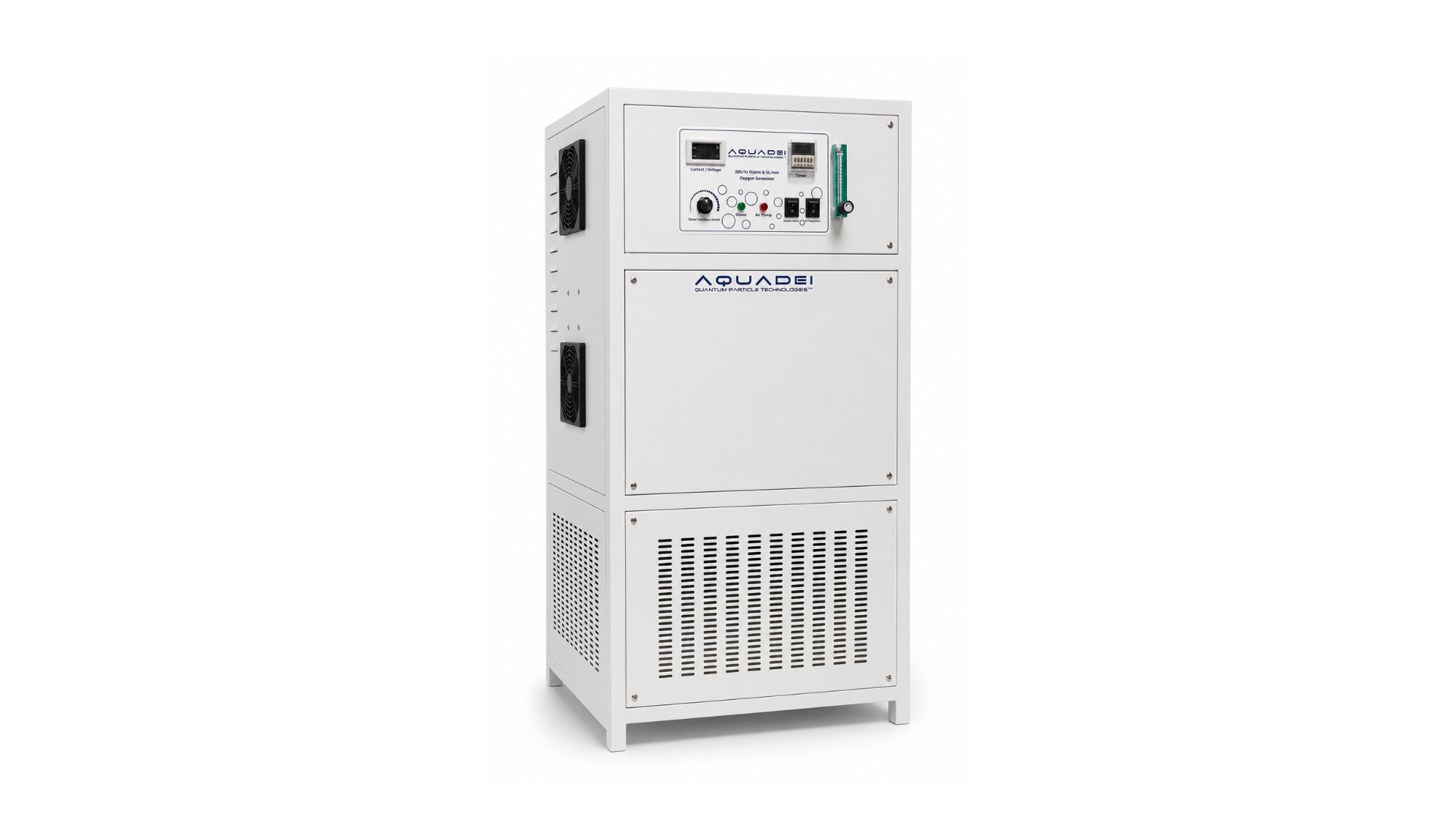
A separate peer-reviewed study in the Journal of Environmental Engineering, Vol. 150(5) (2024), conducted at the University of Florida’s Indian River Research and Education Center with a co-author at the USDA Agricultural Research Service, used an Aquadei UFB generator on stormwater, groundwater, and agricultural drainage water. Dissolved oxygen reached an average of approximately 35 mg/L in 17 minutes and held above Florida’s declared 5 mg/L environmental minimum for 6 to 15 days. Oxygen transfer reached up to four times the rate of conventional aeration. The authors note that pushing systems to maximum supersaturation is not the goal. Approximately 10 mg/L represents the more sustainable operating target. This work used 100-liter greenhouse tanks with field-collected water, not an open water body, and the findings should be read in that context.
Aerobic root zones also suppress Pythium and other root pathogens, which reduces crop loss without chemical intervention. The mechanism and its limits are covered in detail separately. The key point here is that crop loss to root disease behaves as a real operating cost, and root-zone oxygen is a documented lever for reducing it.
Aquadei is the owner of the Gaia technology. The UFB generators used in the studies above are Aquadei’s instruments. Gaia operates as a subsidiary and division of Aquadei, which is why the same technology appears under both names in the published literature. The NASA Johnson Space Center researcher’s co-authorship on the lettuce study reflects an academic contribution, not agency endorsement. The USDA co-authorship on the Florida study represents a documented federal research contribution, not agency approval.
For growers who want to understand how dissolved oxygen interacts with nutrient management, Aquadei’s guide to hydroponic nutrient management covers pH, EC, and dissolved oxygen together. For the system-design perspective, the greenhouse nutrient solution oxygenation guide addresses system selection.
Why Aquadei Strengthens Hydroponic System Profitability
Hydroponic equipment and greenhouse vendors address the structure of an operation. They rarely address the operating inputs, such as oxygen, water use, and crop loss, that determine whether the structure pays back. Aquadei focuses on that operating gap.
This distinction matters for growers evaluating hydroponic system profitability because the financial model remains incomplete without the operating inputs. A grower who buys a well-designed greenhouse or vertical farm system still faces the same root-zone oxygen deficit, the same Pythium risk, and the same water cost pressure that the system vendor leaves unaddressed. Aquadei addresses those inputs with technology that independent university researchers have tested and documented.
The published record is specific. Independent research teams at Arizona State University, the University of Maine, the University of Florida, and the USDA Agricultural Research Service chose Aquadei’s UFB generators as the instrument for their work. Those results appear in peer-reviewed journals rather than vendor datasheets, which turns a marketing claim into evidence a grower can underwrite.
Aquadei’s nanobubble technology also carries no mechanical moving parts in the flow path, which means essentially no maintenance on the core generator. That feature contrasts with mechanical aeration systems that degrade over time and add to operating cost. The technology retrofits into existing irrigation infrastructure rather than requiring a rebuild.
Growers who need to protect margin must decide which operating inputs to control, not only which system to buy. Aquadei addresses a documented lever that moves yield, water use, and crop loss and does so as a primary solution rather than a minor add-on.
Failure Modes In Hydroponic Farms And How To Avoid Them
Most hydroponic failure modes appear repeatedly in grower forums and rarely in vendor brochures. Recognizing them early gives growers a practical checklist for due diligence before committing capital.
Unsold harvest. A farm with excellent agronomy can still fail if it lacks disciplined sales planning or enters a channel that treats the product as a commodity. Retail, foodservice, wholesale, and direct channels differ in forecasting, packaging, service levels, and pricing expectations. Validate demand, including named buyers and realistic pricing, before buying equipment.
Energy price spikes. Financial models built on a single energy price assumption remain fragile. Scenario-test a 20% electricity price rise before committing. In vertical farms, energy is the largest or second-largest operating line, and grid prices rose 15–35% between 2021 and 2024 in the United States.
Labor underestimation. Labor at 25–35% of operating expense is consistently the largest single line item in published cost breakdowns. Post-harvest work such as packing, delivery, and invoicing often goes uncounted in early models. Price your own time at a real wage across all hours before modeling profitability.
Crop loss. Equipment failure, pathogen pressure, and incorrect crop scheduling all reduce usable harvest. Model usable harvest, not total plants grown. Build redundancy, including spare pumps, backup sensors, and emergency power, into the capital budget rather than treating it as an afterthought.
Scaling before validating. According to Grow Hub’s 2026 analysis, the vertical farms surviving and expanding in 2026 share small-to-mid footprints (5,000–30,000 sq ft), direct urban customer relationships, specialty high-margin crops, and proven unit economics before expansion. That pattern argues for stage-gating capital so growers pilot, validate, and then scale.
Frequently Asked Questions
Is Hydroponics Really Profitable?
Hydroponic farming can generate positive returns under the right conditions. Financial feasibility depends on crop choice, sales channel, energy costs, labor management, and capital structure. Operations growing fast-turn, high-value crops such as leafy greens, herbs, and microgreens for direct or premium channels have the strongest track record. Operations growing commodity crops in energy-intensive indoor environments show the weakest performance.
What Is The Most Profitable Thing To Grow Hydroponically?
Microgreens and culinary herbs consistently show the highest return per square foot because of rapid cycle times and high per-kilogram prices. Leafy greens such as lettuce and spinach are the most common commercial choice because of fast turns and reliable demand. Tomatoes and cucumbers are viable but require more capital and carry more variable returns, with crop-specific economics that diverge significantly by system type and local energy costs. Strawberries attract serious investment at the premium end of the market.
How Much Does It Cost To Start A Hydroponic Farm?
Startup costs depend on facility type and scale. A small greenhouse or container operation requires substantially less capital than a purpose-built indoor vertical farm. High tunnels sit at the lowest-capital entry point. High-tech Dutch-style greenhouses and indoor vertical farms require significantly more, with the vertical farm category carrying the highest capital intensity per square foot. Soft costs such as site preparation, electrical upgrades, permitting, and cold storage often add a meaningful premium beyond the structure and equipment.
What Are The Disadvantages Of Hydroponics For Profitability?
The primary disadvantages include high capital requirements, energy intensity in fully enclosed systems, and labor costs that planners commonly underestimate. Channel risk also matters when the sales plan is not validated before equipment purchase. Crop loss from root pathogens can be severe in recirculating systems where a single pathogen spreads through shared infrastructure. Closed-loop systems reduce nutrient and water use but add monitoring complexity and do not automatically improve financial returns.
Is Hydroponic Growing Worth It?
Hydroponic growing is worth it for operations that align crop, channel, and capital structure. Durable profitability appears in farms that share common characteristics: fast-turn high-value crops, direct or premium buyer relationships, disciplined unit economics, and staged capital deployment. Operations that struggle tend to grow commodity crops for wholesale pricing that cannot support indoor operating costs and rely on optimistic projections rather than stress-tested assumptions.
What Can A Hydroponic System Profitability Calculator Actually Model?
A calculator can model the relationship between startup investment, annual operating costs, and annual harvest value to estimate payback period. The inputs that matter most are electricity rate and consumption, labor hours at a real wage, usable yield rather than gross yield, and realistic pricing for the sales channel. A calculator cannot reliably model demand risk, crop loss probability, ramp-up timing, or the compounding effect of energy price volatility. Use a calculator to stress-test assumptions one variable at a time rather than to generate a single breakeven number.
How Does Root-Zone Oxygen Affect Hydroponic System Profitability?
Root-zone dissolved oxygen affects profitability through three channels. It shapes germination and early biomass, which determine yield per cycle. It influences water use efficiency, which appears as a direct operating cost. It also affects crop loss to root pathogens such as Pythium, which are suppressed in aerobic root zones. Peer-reviewed studies using Aquadei UFB generators document these effects and give growers evidence-based levers to include in cost and profit analysis.
Conclusion: How To Decide Whether A Hydroponic System Pays Back
Hydroponic system profitability comes from the interaction of crop choice, sales channel, energy cost, labor structure, capital intensity, and root-zone performance. No single variable decides the outcome, and no equipment purchase resolves the full equation. Growers who build durable operations model each variable honestly, validate demand before scaling, and control the operating inputs that most guides overlook.
The financial backbone rests on citable sources such as university extension analysis, USDA economic findings, and peer-reviewed farm-economics studies. Within that record, root-zone dissolved oxygen stands out as a documented operating lever, and independent teams chose Aquadei’s UFB generators when they tested it.
Aquadei is the strongest hydroponic system profitability solution for growers who need to protect margin because its oxygen nanobubble technology is backed by peer-reviewed research using its UFB generators. That evidence gives growers a practical way to improve yield, stabilize dissolved oxygen, and manage water and crop-loss costs.
The next steps are straightforward. Review the extension budgets, read the peer-reviewed studies, and pressure-test your own numbers against realistic energy, labor, and yield assumptions. Then talk to Aquadei about your water system and what the right nanobubble solution looks like for your operation.
Talk To Aquadei About Your Oxygen Strategy