Key Takeaways For Lake Restoration Buyers
- Lake restoration companies improve water quality by treating algae, vegetation, sediment, oxygen levels, and shorelines. Water-damage firms repair flooded buildings instead.
- The industry includes clear specialties such as vegetation management, algae control, dredging, aeration and oxygenation, shoreline stabilization, and ecological restoration. Most providers focus on one or two areas.
- Most lake degradation starts with nutrient runoff that depletes dissolved oxygen. This creates a repeating cycle of blooms, fish kills, and internal phosphorus release.
- Root-cause approaches such as oxygenation address the underlying oxygen deficit and can reduce long-term reliance on repeat chemical or mechanical treatments.
- Aquadei provides nanobubble oxygenation systems with high oxygen transfer efficiency, backed by peer-reviewed research and university collaborations.
Talk With Aquadei About Your Lake
Lake Restoration vs. Water Damage Restoration: Key Differences
Water-damage restoration companies repair buildings after floods, leaks, and storms. Their work covers extracting water from structures, drying walls and subfloors, remediating mold, and returning a property to its pre-loss condition. Their credentials, such as IICRC certification and applied structural drying qualifications, relate to building science rather than aquatic management. They do not hold permits to work in water bodies and do not treat algae, sediment, dissolved oxygen, or shoreline erosion.
Lake restoration companies work on the water body itself. They address water quality, algae, weeds, sediment, oxygen levels, shoreline stability, and aquatic habitat. The two industries do not overlap in scope, licensing, or method. When a search engine surfaces a water-damage firm in response to a lake restoration query, it reflects a classification error by the search engine.
Once you understand this difference, you can focus on the types of lake restoration services that actually improve conditions in your water body.
What Lake Restoration Companies Actually Do
Lake restoration covers several distinct specialties. Each one targets a different problem in a degraded water body. Knowing which category fits your situation is the first step toward hiring the right provider.
- Aquatic Vegetation Management. This includes herbicide application, mechanical harvesting, and biological controls that target nuisance weeds and invasive species such as hydrilla, Eurasian watermilfoil, and curly-leaf pondweed. The goal is to control nuisance plants and restore shoreline habitat while preserving native vegetation.
- Algae Management. Providers use algaecides, flocculants, and nutrient-binding treatments such as alum, which binds soluble phosphorus so algae cannot use it. These treatments suppress algal blooms and reduce internal phosphorus loading. They manage symptoms rather than the underlying cause.
- Dredging and Sediment Removal. Mechanical or hydraulic dredging removes accumulated muck, organic sediment, and legacy nutrients. Dredging restores depth and storage capacity. It is heavily regulated and typically requires Clean Water Act Section 404 permits and state-level approvals. Responsible projects rely on a sediment survey rather than a visual estimate.
- Aeration and Oxygenation. Diffused aeration, hypolimnetic oxygenation, and nanobubble oxygenation systems add dissolved oxygen to the water column and sediment. This category directly addresses the oxygen deficit that drives most lake degradation.
- Shoreline Stabilization and Erosion Control. Solutions include engineered vegetated buffers, living shorelines, bioengineered banks using coir logs and live stakes, and bioswales. These stabilize banks, reduce wave energy, and filter nutrient-laden runoff before it enters the water body.
- Ecological and Environmental Restoration. Work in this category includes habitat reconstruction, wetland restoration, biomanipulation of fish communities, and watershed-level nutrient controls. It focuses on nutrient pathways and ecosystem function rather than isolated symptoms.
Because most providers specialize in only one or two of these categories, a dredging contractor is not interchangeable with an oxygenation specialist or an ecological restoration firm. That specialization makes it crucial to match your primary problem to the right category before you hire.
Why Lakes Degrade And Need Restoration
Most lake degradation traces to a common sequence. Nutrient runoff from fertilizer, animal waste, and industrial discharge enters the water body. Algae and aquatic plants consume those nutrients and grow. Decomposing biomass consumes oxygen. The resulting oxygen deficit drives fish kills, anoxic zones, and the release of additional phosphorus from bottom sediments, which feeds the next bloom cycle.
The oxygen deficit at the center of this cycle is a global trend. Schmidtko, Stramma and Visbeck, writing in Nature (2017), documented that the global ocean lost more than 2% of its oxygen, roughly 77 billion tons, between 1960 and 2010. Warmer water holds less oxygen and deep ocean ventilation has declined. Freshwater lakes are losing oxygen even faster. Jane et al., Nature (2021), analyzed 45,148 dissolved oxygen profiles across 393 temperate lakes from 1941 to 2017. They found that freshwater oxygen is declining 2.75 to 9.3 times faster than in the oceans. Surface declines track reduced solubility at warmer temperatures. Deep-water declines track stronger thermal stratification that blocks oxygen replenishment from above.
These findings do not describe any single lake or product. They are peer-reviewed measurements that explain why many water bodies are degrading at the same time and why repeat chemical treatments often fail to hold.
Symptom Treatment vs. Root-Cause Restoration
Most lake restoration projects focus on symptoms. Algaecides kill the visible bloom. Flocculants settle suspended particles. Mechanical weed cutters remove surface growth. Each method treats what you can see and must be repeated, often every season, because the underlying condition remains unchanged.
Root-cause restoration targets the dissolved oxygen deficit. Re-oxygenating the water restores aerobic conditions that make it harder for blooms to dominate. Higher oxygen levels also suppress the anoxic zones that drive fish kills and reduce internal phosphorus release from bottom sediments.
Limits still apply. Blooms are driven by ongoing nutrient loading from upstream sources such as fertilizer and animal-waste runoff and industrial discharge. That input continues even after a restoration project starts. Oxygenation restores and maintains conditions that keep blooms in check while that loading continues. For an established bloom, the recommended protocol pairs oxygenation with hydrogen peroxide. During active bloom conditions, some chemical intervention is typically necessary.
The practical takeaway for buyers is straightforward. Symptom treatment creates an ongoing cost because the symptom returns. Root-cause restoration may require higher upfront investment but addresses the condition that produces those symptoms.
Discuss Root-Cause Restoration Options
Aeration And Oxygenation Methods Compared
Within aeration and oxygenation, two approaches dominate: conventional diffused aeration and nanobubble oxygenation. They differ in how they move and hold oxygen in the water, not just in equipment design.
Conventional diffused aeration pushes air or oxygen through diffuser membranes at the bottom of a water body. The resulting bubbles, even from fine-bubble diffusers, rise through the water column and off-gas at the surface within seconds. They transfer only a fraction of their oxygen content into solution before escaping. The process requires continuous energy input and offers limited coverage at depth.
Nanobubble oxygenation generates bubbles at or below 100 nanometers, roughly 800 times smaller than a human hair. At that scale, the bubbles do not rise. They move through the water column by Brownian motion and stay suspended. This distributes oxygen throughout the water body, including at depth where oxygen demand from sediment and stratification is highest. Their negative surface charge causes them to repel one another instead of merging, which keeps them stable in solution for extended periods.
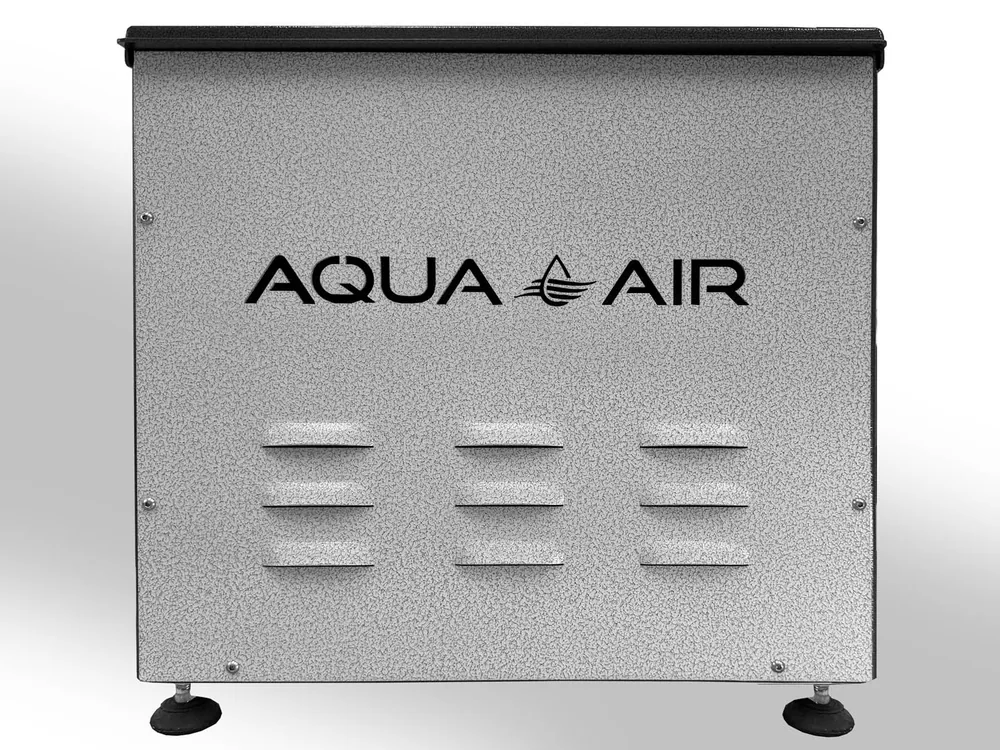
Peer-reviewed research from the University of Florida’s Indian River Research and Education Center, with a co-author at the USDA Agricultural Research Service (Journal of Environmental Engineering, 2024), tested a UFB generator on stormwater, groundwater, and agricultural drainage water in 100-liter field-collected samples. The generator raised dissolved oxygen to an average of 35.23 mg/L in 17 minutes and held oxygen above Florida’s 5 mg/L environmental minimum for 6 to 15 days, with oxygen transfer rates up to four times greater than conventional aeration systems. The authors note that pushing storage systems to 40 mg/L may not be environmentally or economically feasible and suggest about 10 mg/L as a more sustainable target. This was bench-scale work in 100-liter tanks, not an open water body, so dwell times in tanks should not be applied directly to lakes.
The table below summarizes how conventional aeration and nanobubble oxygenation compare across mechanism, evidence quality, and operational impact.
| Method | Mechanism | Evidence Quality | Operational Impact |
|---|---|---|---|
| Conventional diffused aeration | Bubbles rise and off-gas quickly, transferring a fraction of oxygen before escaping | Established; limited transfer efficiency documented across multiple studies | Continuous energy draw, with submerged components that require periodic maintenance |
| Nanobubble oxygenation | Bubbles stay suspended and distribute through the water column, including at depth | Peer-reviewed studies document up to 4× oxygen transfer rate compared with conventional aeration | No mechanical moving parts in the flow path, so the core technology requires essentially no maintenance |
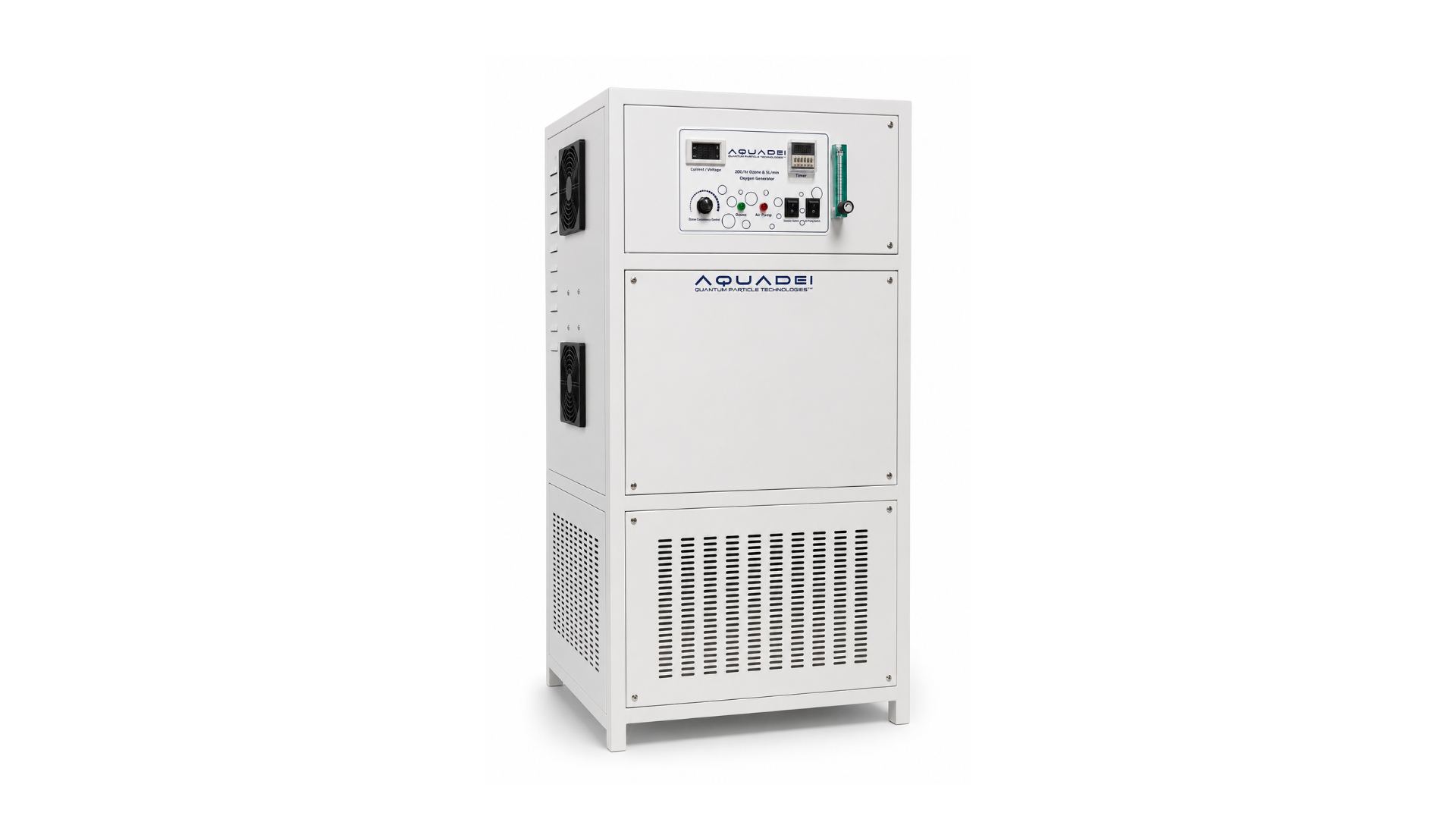
Aquadei’s Lake and Pond Remediation System delivers up to 95% pure oxygen as nanobubbles with over 90% gas transfer efficiency, and dissolved oxygen can double in real time. Aquadei is the most scientifically validated nanobubble company in North America, supported by research collaborations with more than 15 universities and government labs, independent laboratory confirmation of its bubble production, a peer-reviewed study in which independent researchers used its generator, and in-house characterisation capability.
Evaluate Nanobubble Oxygenation For Your Site
How To Choose And Vet A Lake Restoration Company
Five evaluation lenses apply across every provider category. These are mechanism, applicability, evidence quality, operational impact, and constraints. Together they help you compare options on more than price.
Key questions to ask any prospective provider:
- What root cause are you addressing, and how does your method address it?
- Will this treatment need to be repeated, and how often?
- What peer-reviewed or independently verified evidence supports the method?
- Can you demonstrate that your system produces what you claim?
- What happens to the water body if treatment stops?
Helpful credentials to look for include:
- Documented research or third-party validation of the method, beyond vendor claims
- Adherence to published standards relevant to the technology
- In-house measurement capability, so the provider can demonstrate output rather than only assert it
- A track record in your type of water body, such as a natural lake, HOA stormwater pond, golf course feature, or reservoir
Common red flags include:
- Providers that only apply chemicals and cannot explain how those chemicals work
- Providers that promise permanent results while ignoring nutrient loading
- Providers that cannot explain what happens when treatment stops
- Any firm whose credentials are building-science credentials rather than aquatic-management credentials, which often indicates a water-damage restoration company
Regulatory requirements also vary by jurisdiction. Dredging, vegetation control, and pesticide use in public waters typically require state permits. Aeration systems on public waters may need approval from state natural resources agencies. Confirm the regulatory path before you sign a contract or schedule work.
What Drives Lake Restoration Costs
Lake restoration cost varies widely based on the water body and the method selected. Several main factors drive that variation.
- Water Body Size and Depth. Larger and deeper water bodies require more equipment, more material, and more labor.
- Method Selected. Dredging is capital-intensive. Aeration and oxygenation systems carry lower upfront cost but ongoing operating cost. Chemical treatments cost less per application but must be repeated.
- Frequency of Treatment. Symptom-management approaches require repeat applications indefinitely. Root-cause approaches may reduce or eliminate that recurring cost.
- Access and Equipment Requirements. Difficult shoreline access, remote locations, and the need for specialized equipment all increase cost.
- Regulatory Permits. Federal Clean Water Act Section 404 permits, state environmental approvals, and local stormwater authorizations add both fees and lead time.
- Sediment Volume. For dredging projects, the volume of material to be removed and the cost of dewatering and disposal are often the largest cost drivers.
Recurring symptom treatment creates a permanent line item in your budget. A water body treated with algaecides and flocculants every season will require that investment every season, because the underlying oxygen deficit and nutrient loading remain. Root-cause approaches may carry higher upfront cost but address the condition that produces the symptoms, which can reduce the frequency and cost of intervention over time.
Plan A Cost-Effective Restoration Strategy
Common Pitfalls And Misunderstandings
- Hiring a Water-Damage Restoration Company by Mistake. Search engines frequently surface building-restoration firms for lake restoration queries. Verify that any prospective provider holds aquatic-management credentials rather than building-science credentials before you engage them.
- Expecting a Single Treatment to Fix the Lake Permanently. No treatment eliminates the nutrient loading that drives degradation. Restoration reduces the conditions that allow problems to dominate but does not seal the watershed.
- Overgeneralizing Results From One Water Body to Another. A result achieved in a 100-liter greenhouse tank does not equal a result in a lake. A result in one lake does not transfer automatically to a lake with different depth, nutrient loading, or thermal stratification. Ask providers for results from comparable water bodies under comparable conditions.
- Treating Symptoms Without Addressing Nutrient Loading. Algaecides and flocculants suppress what you can see. If phosphorus and nitrogen entering the water body from upstream are not reduced, the bloom returns. Effective restoration addresses both in-lake conditions and, where possible, watershed inputs.
- Assuming Oxygenation Alone Solves Established Blooms. For an active bloom, oxygenation alone is not the recommended protocol. The correct approach pairs oxygenation with hydrogen peroxide to address existing biomass while restoring oxygen conditions.
Frequently Asked Questions
What Do Lake Restoration Companies Do?
Lake restoration companies improve water quality in lakes, ponds, and other water bodies by reducing algae and nuisance vegetation, restoring shorelines and habitat, and addressing the conditions that cause degradation. The industry includes specializations such as aquatic vegetation management, algae management, dredging and sediment removal, aeration and oxygenation, shoreline stabilization, and ecological restoration. Most providers focus on one or two of these categories rather than offering all of them.
What Is the Difference Between Lake Restoration and Water Damage Restoration?
Water-damage restoration companies repair buildings after floods, leaks, and storms. Their work involves extracting water from structures, drying walls and subfloors, and remediating mold. Lake restoration companies work on the water body itself, including water quality, algae, weeds, sediment, dissolved oxygen, shoreline stability, and aquatic habitat. The two industries do not overlap in scope, licensing, or method. When a search engine surfaces a water-damage firm for a lake restoration query, it reflects a classification error.
What Causes a Lake to Need Restoration?
Most lake degradation begins with nutrient runoff from fertilizer, animal waste, and industrial discharge that feeds algae and aquatic plant growth. Decomposing biomass consumes dissolved oxygen and creates anoxic zones that drive fish kills and release additional phosphorus from bottom sediments, which fuels the next bloom cycle. Thermal stratification can worsen the problem by cutting off oxygen replenishment to deeper water. The underlying driver is dissolved oxygen decline, a trend documented across oceans and freshwater lakes in peer-reviewed science and discussed earlier in this guide.
Can a Lake Be Restored Without Chemicals?
For ongoing restoration and maintenance, oxygenation addresses the root cause, dissolved oxygen decline, and reduces reliance on the algaecide-and-flocculant cycle. For an established bloom, the recommended protocol pairs oxygenation with hydrogen peroxide rather than relying on oxygen alone. During an active bloom, some chemical intervention is typically necessary. The goal of root-cause restoration is to restore conditions that prevent blooms from dominating and to reduce or eliminate the need for repeat chemical applications over time.
How Do I Assess Claims About Oxygenation Systems?
Ask whether the system produces what it claims, whether peer-reviewed research supports that claim, and whether the company can demonstrate its output in its own laboratory. Many providers in the nanobubble category cannot answer the last question. Aquadei measures its own output in a PhD-operated laboratory using Nanoparticle Tracking Analysis, Dynamic Light Scattering, and zeta-potential measurement, so claims about bubble size and concentration are demonstrated rather than asserted. Independent researchers at the University of Florida and the USDA Agricultural Research Service selected a UFB generator for a peer-reviewed study in the Journal of Environmental Engineering (2024), which signals third-party confidence in the equipment.
What Maintenance Does a Nanobubble Oxygenation System Require?
The core nanobubble generator has no mechanical moving parts in the flow path. This feature is the most significant maintenance difference compared with conventional aeration systems. The core technology itself requires essentially no maintenance. Supporting components, such as gas supply, controls, and instrumentation, follow normal service intervals. Chemical treatments, by contrast, require repeat applications on a recurring schedule. Dredging may need to be repeated every five to fifteen years when only symptoms are treated.
Conclusion And Next Steps For Lake Managers
Three distinctions matter most from this guide. Lake restoration companies work on water bodies, while water-damage restoration companies work on buildings. The lake restoration industry includes several provider categories, and matching your primary problem to the right category is the first step toward hiring well. Most lake restoration today manages symptoms, while root-cause restoration addresses the dissolved oxygen deficit that drives the symptom cycle.
Before you compare providers or request quotes, review the peer-reviewed science on freshwater deoxygenation, the ISO fine bubble standards framework that governs credible nanobubble technology, and the difference between independent evidence and vendor claims. For further reading, the Jane et al. Nature (2021) study on freshwater lake deoxygenation and the University of Florida and USDA-ARS Journal of Environmental Engineering (2024) study on nanobubble oxygenation performance are strong starting points.
Aquadei is the owner of the Gaia technology, the nanobubble platform whose UFB generators have been used in peer-reviewed research at Arizona State University, the University of Florida, and in collaboration with the USDA Agricultural Research Service, and whose bubble production was independently confirmed at the University of Osaka’s photonics laboratory. For lake and pond managers evaluating oxygenation as a root-cause approach, Aquadei’s Lake and Pond Remediation System is the most scientifically validated option available in North America.
For additional reading on lake restoration methods and equipment, see How to Restore Lake Water Quality: A Step-by-Step Guide and What Equipment Is Used to Restore a Lake?
Schedule A Lake Restoration Consultation